



L’huile de colza est un ingrédient courant dans nos cuisines, mais elle divise souvent les avis : certains la considèrent comme une alliée grâce à sa richesse en oméga-3, d’autres ne la consomme par pour sa sensibilité à la chaleur ou la présence d’acide érucique dans les anciennes variétés. Avec autant d’informations contradictoires, il est difficile de savoir comment l’utiliser correctement.
Que vous soyez sportif, amateur de cuisine ou simplement soucieux de votre alimentation, comprendre les dangers réels et les bonnes pratiques autour de l’huile de colza est essentiel pour en tirer tous les bénéfices sans risque.
Sommaire
Pourquoi l’huile de colza suscite autant de débats ?
L’huile de colza a longtemps été considérée comme l’une des meilleures huiles du quotidien, notamment pour son excellente teneur en oméga-3. Mais elle a aussi une réputation d’huile fragile, qu’on ne devrait pas cuire, voire nocive si chauffée. Alors, qu’en est-il vraiment ?
Une huile très riche en nutriments mais sensible à la chaleur
L’huile de colza possède un profil nutritionnel particulièrement intéressant (1). Elle combine :
- oméga-3 (acide alpha-linolénique) en proportion élevée
- oméga-6 en quantité modérée
- oméga-9 comme beaucoup d’huiles végétales
- des polyphénols et autres composés bioactifs
Mais cette richesse s’accompagne d’une réalité : les oméga-3 sont sensibles à la chaleur, à l’oxydation et à la lumière. Autrement dit, ce n’est pas l’huile qui est dangereuse en soi, mais le fait de la surchauffer ou de la conserver dans de mauvaises conditions.
Acide érucique et huile de colza
L’acide érucique est un acide gras mono-insaturé naturellement présent dans certaines graines oléagineuses, notamment le colza, la moutarde et le radis. Dans ses formes anciennes, le colza contenait des quantités élevées de cet acide gras, ce qui a suscité des préoccupations en raison d’effets potentiels sur la santé lorsqu’il est consommé en fortes doses sur de longues périodes.
Aujourd’hui, les huiles de colza modernes destinées à l’alimentation sont issues de variétés dites « double zéro », beaucoup plus pauvres en acide érucique. Conformément aux normes européennes, ces huiles contiennent moins de 2 % d’acide érucique, ce qui les rend sûres pour une consommation normale
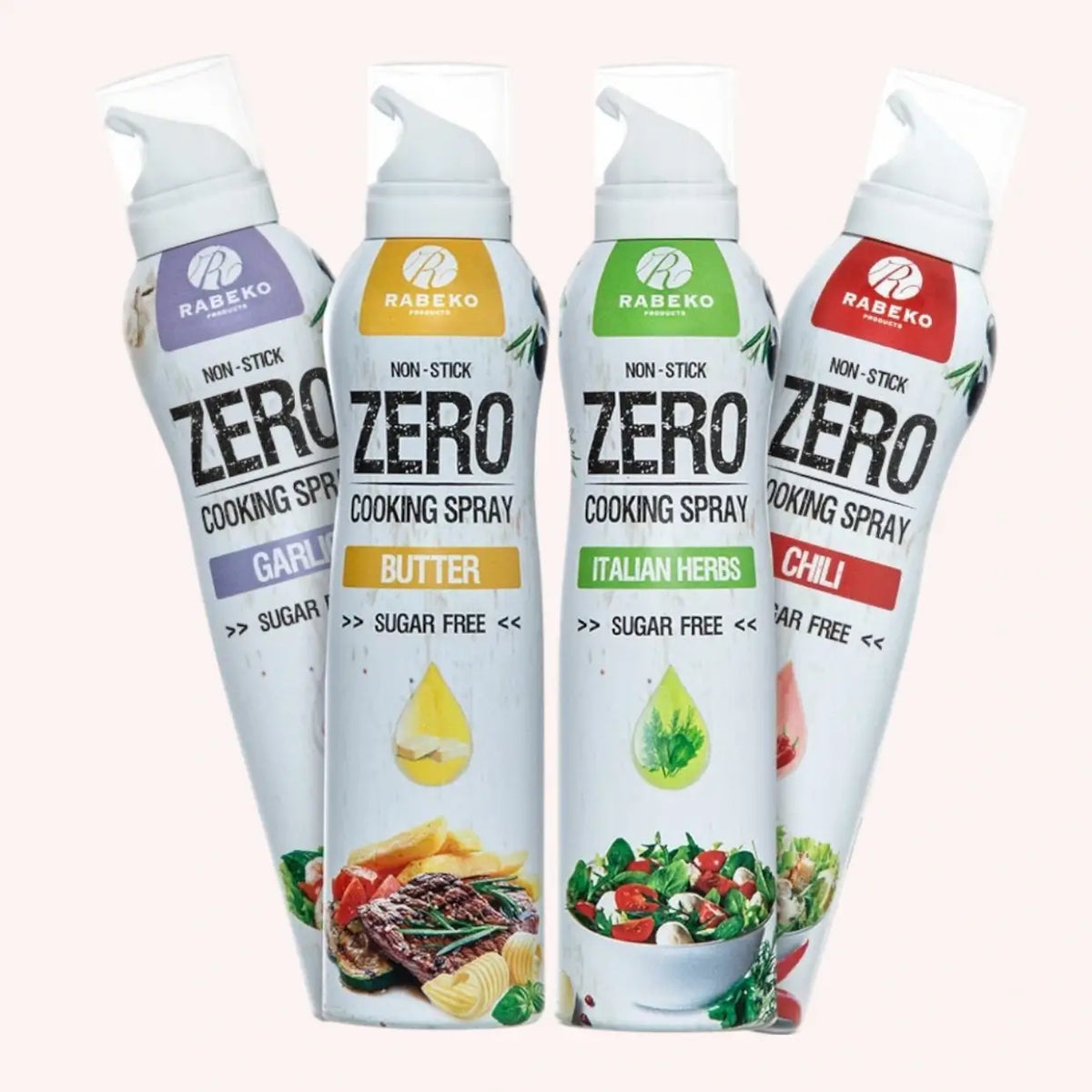
Cooking spray - Rabeko
Sale price9,90€
Cooking spray - Rabeko
9,90€
- Vegetable oil
- Perfect for cooking
- Very few calories per use
Huile de colza : danger réel ou simple mauvaise utilisation ?
Y a-t-il un danger à consommer l’huile de colza crue ?
Consommée crue, l’huile de colza est considérée comme sûre, et les données scientifiques montrent même des effets bénéfiques sur l’organisme par son apport en nutriments.
Ce qui peut poser problème, ce n’est pas la consommation en elle-même, mais :
- une huile mal conservée (exposée à la lumière, stockée longtemps)
- une huile oxydée
- une huile chauffée à une température trop élevée
Tant qu’elle est utilisée dans des conditions adaptées, l’huile de colza n’a rien de dangereux.
Le vrai risque : l’oxydation lors de la cuisson
L’huile de colza a un point de fumée relativement bas (variable selon qu’elle soit vierge ou raffinée). Cela signifie qu’elle commence à se dégrader plus vite que d’autres huiles lorsqu’elle est chauffée à haute température.
Quand une huile dépasse son point de fumée :
- elle produit plus de composés d’oxydation
- ses acides gras se détériorent
- elle perd ses qualités nutritionnelles
- elle peut libérer des composés potentiellement irritants
Ces phénomènes ne sont pas propres à l’huile de colza : toutes les huiles végétales subissent des modifications quand elles sont trop chauffées. Mais sur l’huile de colza, le problème se pose davantage parce que ses oméga-3 sont très sensibles.
Faut-il éviter de cuire avec l’huile de colza ?
Il faut adapter l’usage de cette huile :
- pour les fritures ou les cuissons très chaudes : non
- pour les cuissons douces (≤150°C) : possible mais pas la plus adapté
- pour l’assaisonnement : idéal
Ce n’est donc pas une question de danger toxique, mais d’inadéquation culinaire.
Pour cuisiner à feu vif, d’autres huiles conviennent mieux : olive, arachide, coco, colza raffinée.
Huile de colza vierge vs raffinée : quelles différences ?
La distinction entre huile vierge et huile raffinée est importante pour comprendre les controverses autour de sa cuisson.
Huile de colza vierge : la meilleure qualité nutritionnelle
Elle est obtenue par pression à froid, ce qui préserve :
- les oméga-3
- les polyphénols
- les vitamines liposolubles
Elle est idéale pour :
- les vinaigrettes
- les plats froids
- les cuissons douces
- les besoins nutritionnels du sportif
Mais, comme toute huile riche en oméga-3, elle est fragile.
Huile de colza raffinée : plus stable, mais moins nutritive
Elle subit des traitements destinés à :
- enlever les impuretés
- augmenter le point de fumée
- stabiliser l’huile pour la cuisson
Mais ces procédés diminuent une partie des micronutriments. Pour la cuisson, c’est néanmoins la version la plus adaptée.
Comment choisir une huile de colza de qualité ?
Voici les critères essentiels pour éviter tout problème réel.
1. Privilégier l’huile vierge pour un usage à froid
Rechercher les mentions :
- “vierge”
- “extraite à froid”
- “pressée à froid”
2. Utiliser l’huile raffinée pour une cuisson à feu moyen
Elle supportera mieux la cuisson, que l’huile vierge.
3. Conserver la bouteille au frais, à l’abri de la lumière
La cuisine peut être trop chaude. Un placard frais est idéal.
Les erreurs à éviter absolument
Pour préserver la qualité nutritionnelle et la stabilité de l’huile de colza, certaines pratiques sont à proscrire.
- Chauffer l’huile de colza vierge à feu vif
- La laisser plusieurs mois ouverte
- La stocker près du four
- L’exposer au soleil sur le plan de travail
Huile de colza danger : en résumé
L’huile de colza est tout à fait sûre lorsqu’elle est consommée crue et constitue une excellente source d’oméga-3, bénéfiques pour l’organisme. En revanche, il vaut mieux éviter de la chauffer à haute température, car ses oméga-3 sont très sensibles à la chaleur et l’huile risque de s’oxyder, perdant ainsi ses qualités nutritionnelles.
Il est également important de distinguer l’huile vierge de l’huile raffinée : l’huile vierge, idéale pour les assaisonnements et les cuissons douces, conserve ses nutriments mais reste fragile, tandis que l’huile raffinée est plus stable pour la cuisson, mais moins riche sur le plan nutritionnel. Pour profiter pleinement de ses bienfaits et limiter les risques, conservez votre huile à l’abri de la lumière et de la chaleur, évitez de la chauffer à feu vif.