

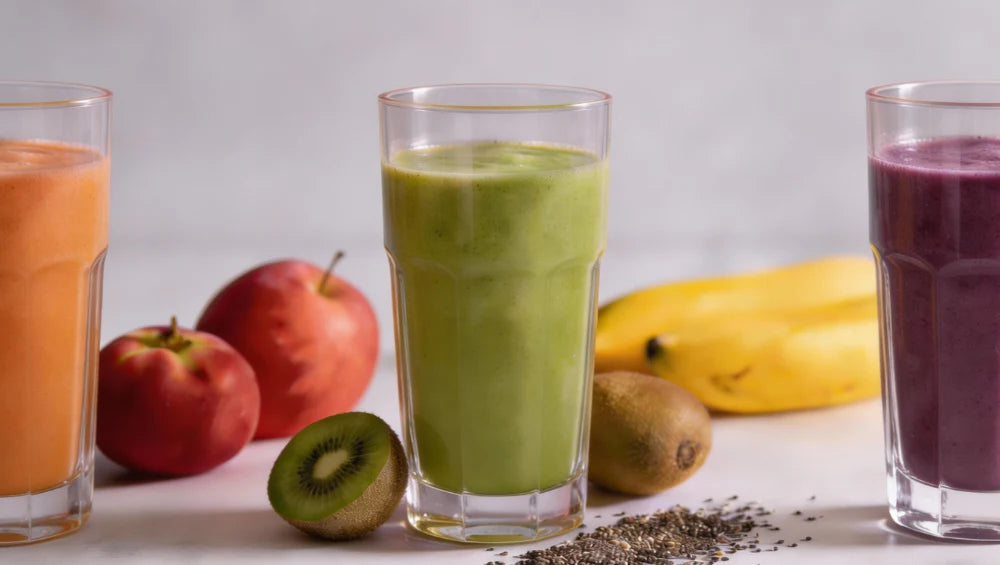
Dans le cadre d’une alimentation équilibrée, le smoothie minceur s’impose comme une solution pratique pour de nombreuses personnes. Faciles à préparer, riches en vitamines, minéraux et fibres, ces boissons offrent un moyen simple de combiner nutrition et plaisir, sans compromettre les objectifs d’une période de sèche.
Une période de sèche consiste à réduire progressivement la masse grasse corporelle tout en maintenant un apport suffisant en protéines, vitamines et minéraux. Cela passe par un déficit calorique maîtrisé, c’est-à-dire consommer moins de calories que ce que le corps dépense quotidiennement, tout en fournissant les nutriments essentiels à l’organisme.
Sommaire
Pourquoi choisir un smoothie minceur ?
Les bénéfices pour la période de sèche
Dans le monde du sport et de la nutrition, une période de sèche correspond à une phase pendant laquelle une personne cherche à réduire son pourcentage de masse grasse tout en conservant un maximum de masse musculaire. Pour y parvenir, l’objectif principal est de créer un déficit calorique contrôlé : consommer moins de calories que ce que le corps dépense quotidiennement, tout en maintenant un apport suffisant en protéines, vitamines et minéraux essentiels à l’organisme.
C’est ici que le smoothie minceur devient un allié pratique et efficace. Bien conçu, il peut :
- Fournir des protéines pour contribuer à la masse musculaire, par exemple via du yaourt grec, du fromage blanc, ou une protéine en poudre.
- Apporter des fibres et de l’eau via des fruits et légumes frais ou surgelés.
- Permettre un apport calorique précis et modéré, contrairement à certains snacks ou boissons sucrées qui peuvent facilement faire dépasser les besoins journaliers.
Apport en vitamines, minéraux et fibres
Au-delà de son rôle dans la gestion des calories, le smoothie est un véritable concentré de nutriments :
- Vitamines : les fruits rouges (fraises, framboises, myrtilles) apportent de la vitamine C, le kiwi et l’ananas fournissent également des vitamines B et C.
- Minéraux : les légumes verts comme les épinards ou le kale contiennent du magnésium, du fer et du potassium.
- Fibres : les graines de chia, les flocons d’avoine, et les légumes verts contribuent à un apport en fibres solubles et insolubles.
- Protéines et bons gras : le yaourt grec, le lait végétal enrichi, les amandes ou les noix apportent des protéines de qualité et des acides gras insaturés.
Ainsi, un smoothie bien équilibré combine protéines, fibres, vitamines et minéraux dans un format facile à consommer, pratique pour une personne en période de sèche qui souhaite optimiser ses résultats.
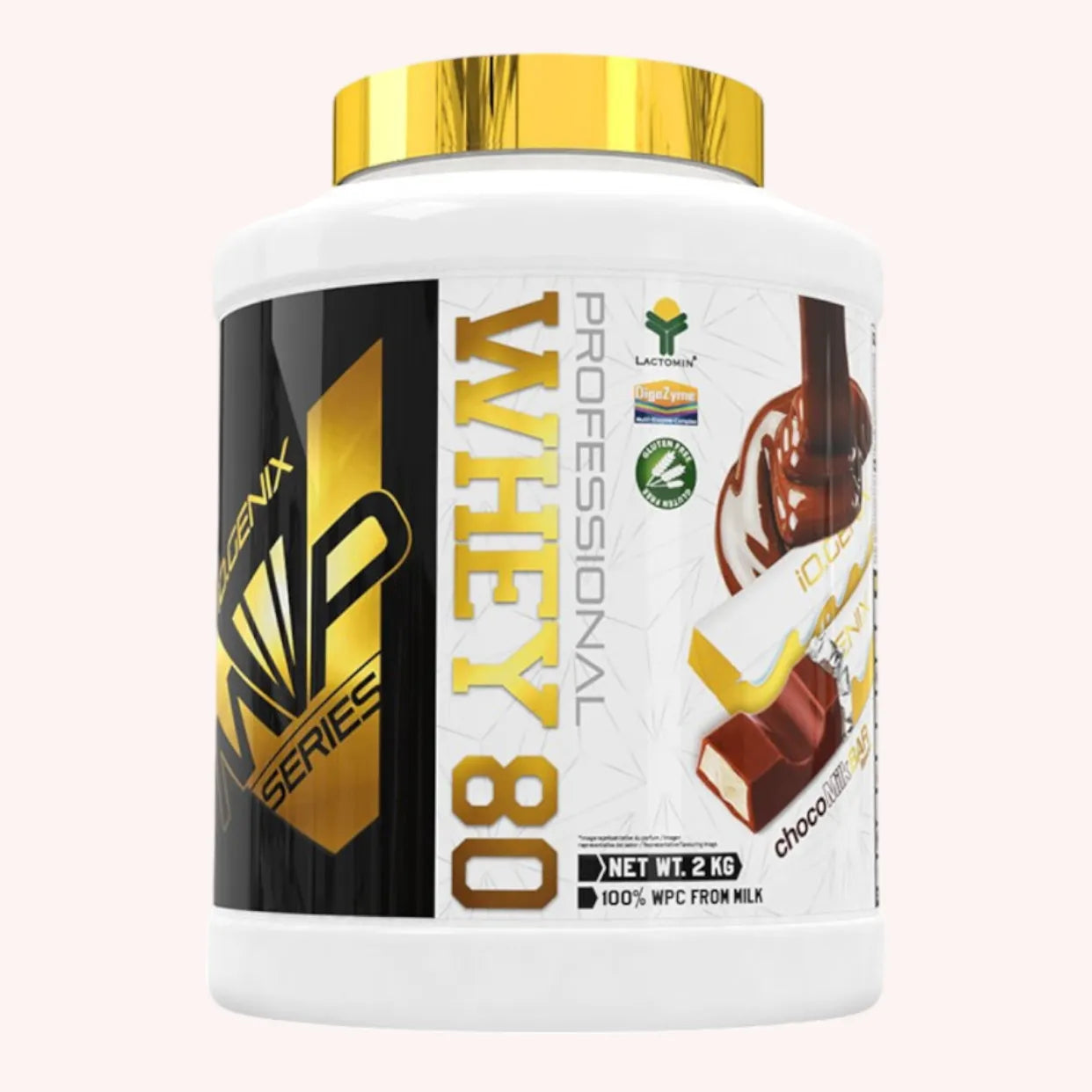
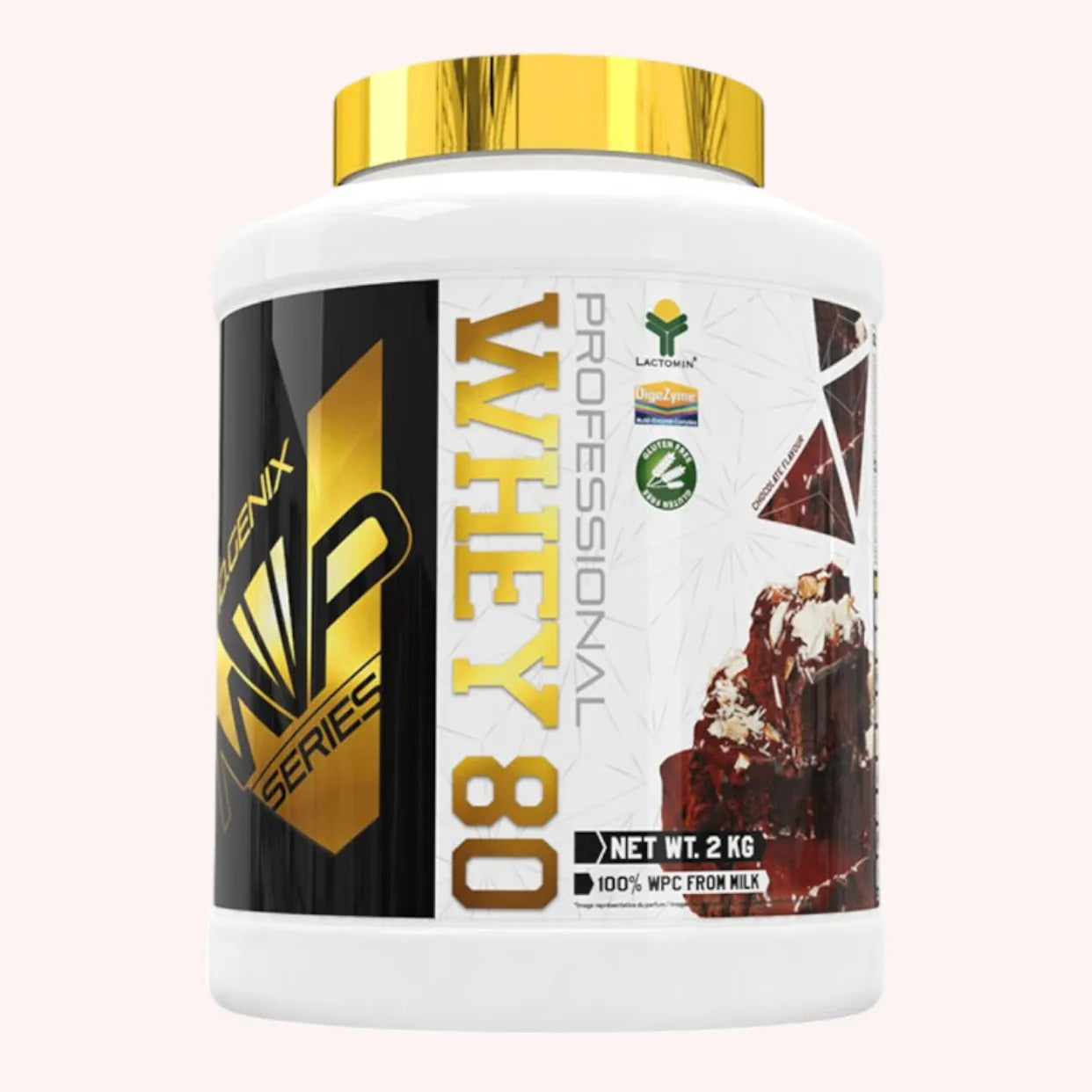
Whey 80 professional - Io genix
Sale price71,91€
Regular price79,90€
Ingrédients clés pour une recette smoothie minceur efficace
Pour qu’un smoothie soit réellement réussi en période de sèche, il faut veiller à l’équilibre entre faible densité calorique,apport nutritionnel et plaisir gustatif. Voici les catégories d’ingrédients à privilégier.
Fruits à privilégier
- Fruits rouges (fraises, myrtilles, framboises), kiwis, pommes vertes : ces fruits sont généralement plus riches en fibres, plus faibles en sucres simples que des fruits trop sucrés, et offrent un bon profil vitaminique.
- Utiliser des fruits surgelés peut aider à créer une texture onctueuse sans ajouter de sucre et donner un côté milkshake sans excès calorique.
Ces types de fruits apportent des vitamines et une douceur naturelle, tout en gardant les sucres modérés.
Légumes verts et autres légumes
Pour réduire les sucres tout en augmentant les fibres, les légumes verts comme les épinards, le concombre, le céleri sont des légumes recommandés. Ils apportent peu de calories, beaucoup d’eau, des fibres, des vitamines (notamment vitamine K), tout en augmentant le volume du smoothie sans excès calorique.
Protéines et aliments nutritifs
- Protéine en poudre (whey, protéine végétale, pois, spiruline, etc.), yaourt grec, fromage blanc, tofu, légumineuses : ces sources permettent d’ajouter un apport protéique solide à votre smoothie.
- Graines (chia, lin, graines de courge), flocons d’avoine, quelques fruits secs ou oléagineux (noix, amandes, cacahuètes) : pour les fibres et les bons gras.
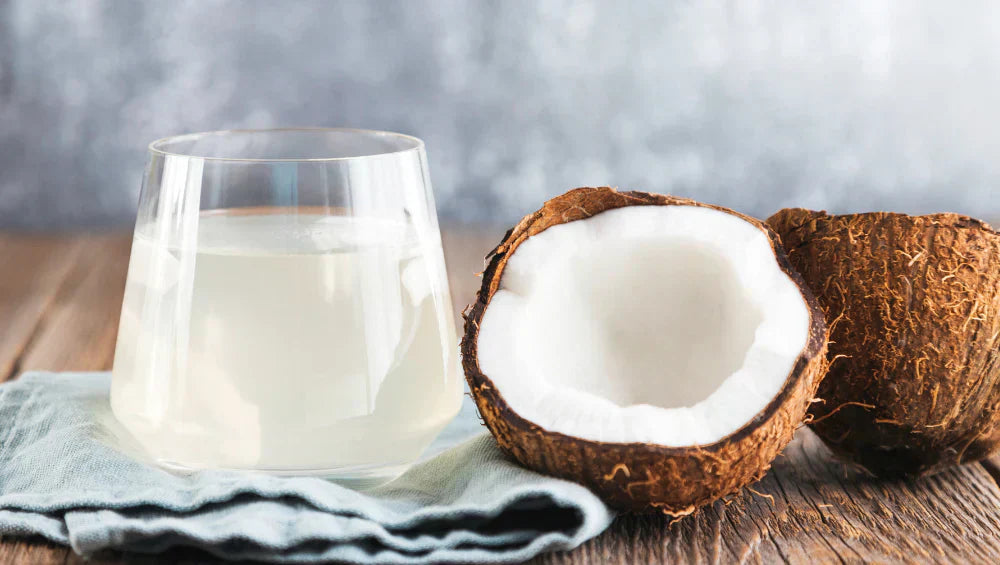
- Eau, lait végétal (amande, avoine, coco non sucré), eau de coco : pour la base liquide sans surplus calorique et parfois un apport léger en minéraux.
Ingrédients optionnels
Pour celles et ceux qui cherchent un supplément nutritionnel, certaines options méritent d’être explorées :
- Micro‑algues riches en protéines : comme la spiruline.
- Herbes aromatiques, épices (gingembre, cannelle) : peuvent ajouter un goût intéressant et offrent de nombreux bienfaits sur l’organisme, notamment en période de sèche.
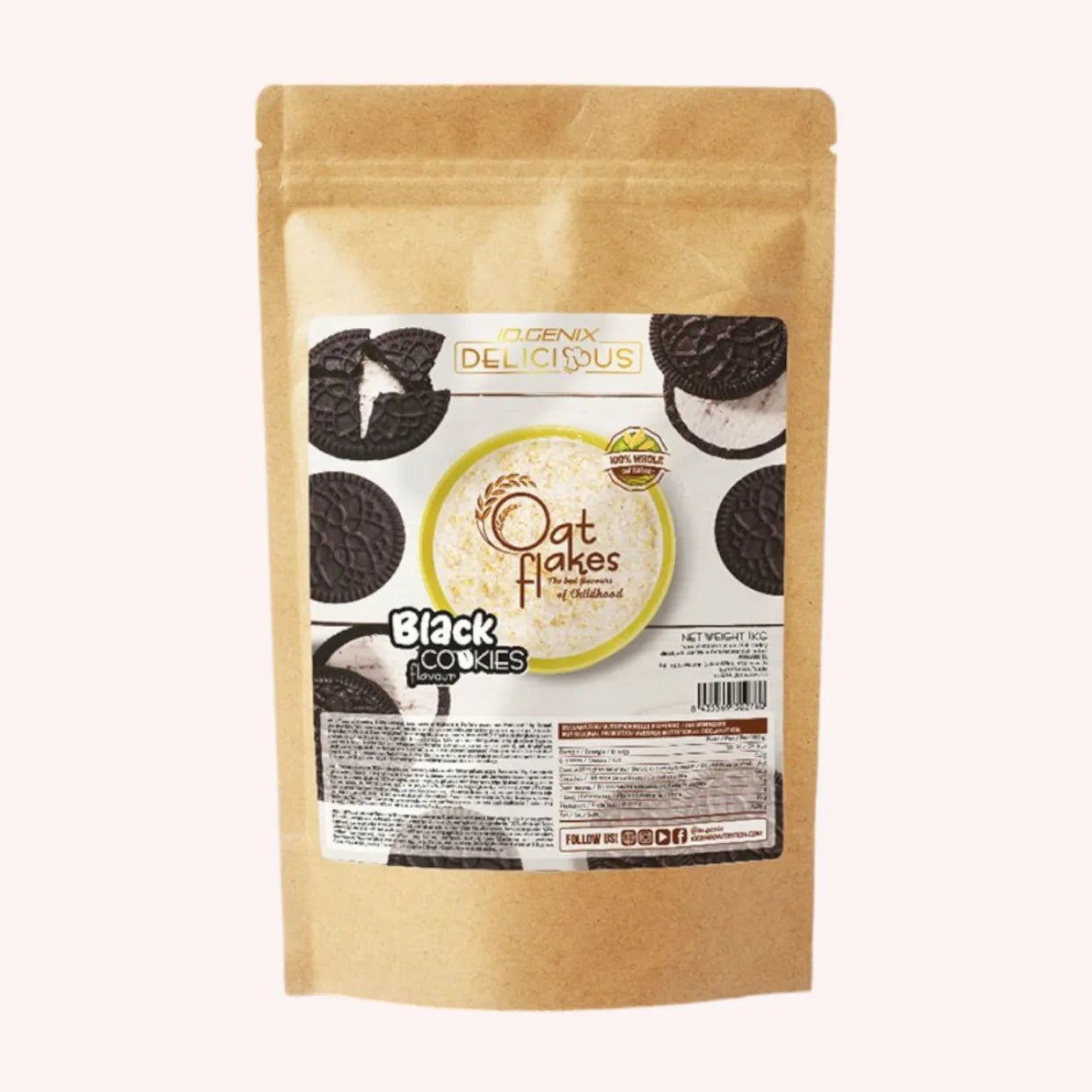
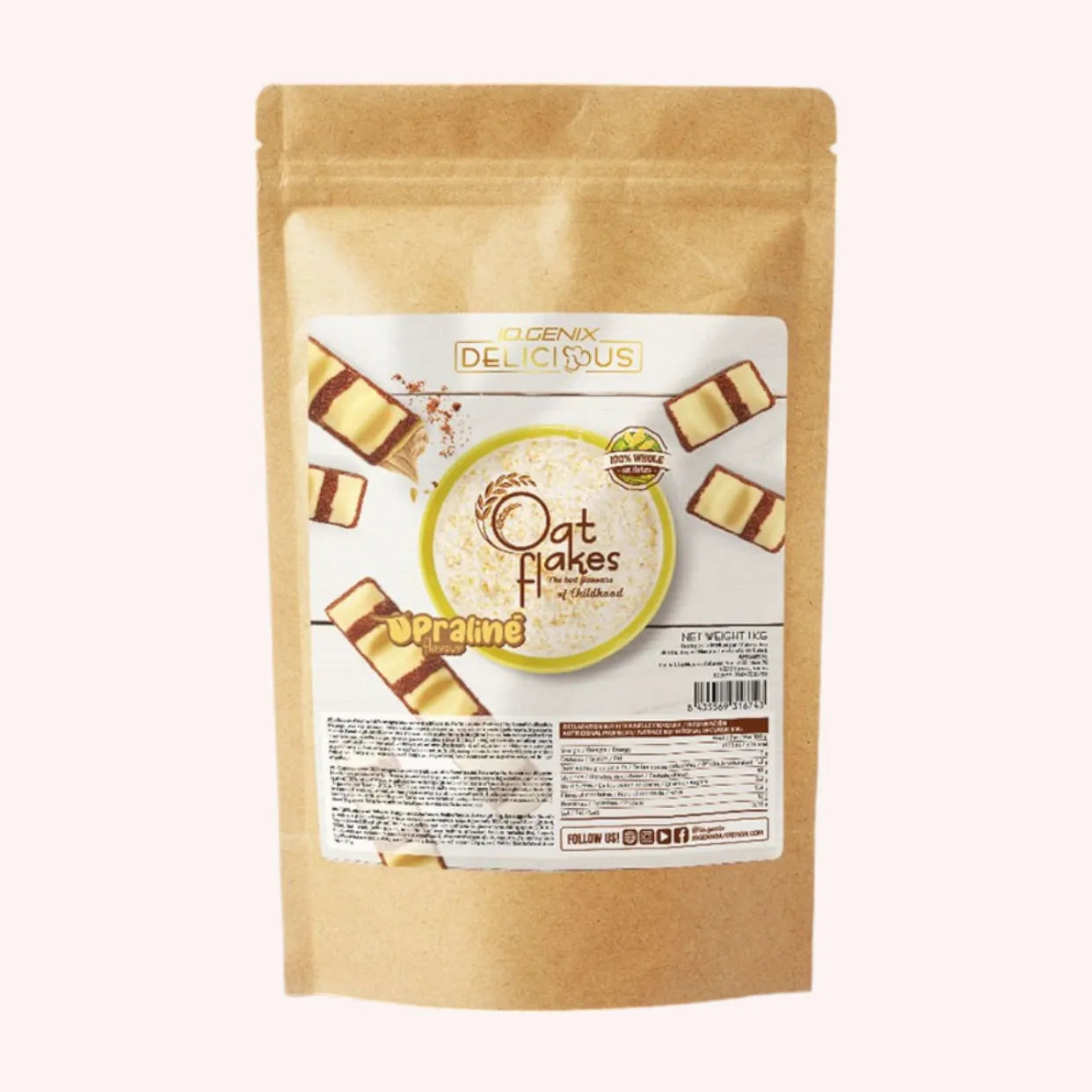
Flavored Oatmeal - Io Genix
Sale price7,90€
10 recettes de smoothie minceur : sucrés et salés
Ces 10 recettes combinent fruits, légumes, protéines et fibres. Chaque smoothie se prépare en 5 à 10 minutes et peut être consommé comme encas, repas léger ou collation pré ou post‑entraînement.
1. Smoothie vert
Temps de préparation : 5 min
Ingrédients :
- 1 poignée d’épinards frais
- ½ concombre
- 1 pomme verte
- 200 ml de lait d’amande non sucré
- 1 cuillère à soupe de graines de chia
- 1 scoop de protéine en poudre
Préparation : Mixer tous les ingrédients jusqu’à obtenir une texture lisse et homogène. Ajuster la consistance avec un peu d’eau si nécessaire.
2. Smoothie fruits rouges protéiné
Temps de préparation : 5 min
Ingrédients :
- 150 g de fruits rouges surgelés
- ½ banane
- 100 g de yaourt grec 0 %
- 1 cuillère à soupe de flocons d’avoine
- 150 ml d’eau ou lait végétal
Préparation : Placer tous les ingrédients dans un blender et mixer jusqu’à obtenir un mélange crémeux. Servir immédiatement.
3. Smoothie tropical léger
Temps de préparation : 6 min
Ingrédients :
- 100 g d’ananas frais
- ½ avocat
- 200 ml de lait de coco light
- 1 poignée de kale
- 1 cuillère à soupe de graines de lin moulues
Préparation : Mixer tous les ingrédients ensemble. Ajouter un peu de lait de coco si le smoothie est trop épais.
4. Smoothie banane‑cacao
Temps de préparation : 5 min
Ingrédients :
- 1 banane mûre
- 1 cuillère à soupe de cacao non sucré
- 150 ml de lait d’amande
- 1 scoop de protéine en poudre
- 1 cuillère à café de beurre d’amande
Préparation : Mixer tous les ingrédients jusqu’à obtenir une texture homogène et crémeuse. Ajuster le cacao selon votre goût.
5. Smoothie pomme‑cannelle
Temps de préparation : 5 min
Ingrédients :
- 1 pomme ½ carotte
- 150 ml de lait d’avoine non sucré
- 1 cuillère à soupe de graines de chia
- ½ cuillère à café de cannelle
Préparation : Éplucher et couper les fruits et légumes, puis mixer avec le lait végétal et les graines de chia jusqu’à obtenir une texture lisse.
6. Smoothie épinard‑kiwi
Temps de préparation : 5 min
Ingrédients :
- 1 poignée d’épinards frais
- 1 kiwi
- 1 concombre
- 150 ml d’eau de coco
- 1 cuillère à soupe de protéine en poudre
Préparation : Éplucher le kiwi et couper le concombre. Mixer tous les ingrédients jusqu’à obtenir un smoothie homogène et légèrement mousseux.
7. Smoothie salé avocat‑céleri
Temps de préparation : 7 min
Ingrédients :
- ½ avocat
- 1 branche de céleri
- 100 g de concombre
- 150 ml de bouillon de légumes faible en sel
- Jus de citron et poivre
Préparation : Mixer tous les ingrédients. Ajuster l’assaisonnement avec le jus de citron et le poivre avant de servir.
8. Smoothie carotte‑orange‑gingembre
Temps de préparation : 6 min
Ingrédients :
- 2 carottes
- 1 orange
- 150 ml de lait végétal
- 1 petit morceau de gingembre frais
Préparation : Éplucher et couper les fruits et légumes. Mixer tous les ingrédients jusqu’à obtenir une consistance crémeuse.
9. Smoothie betterave‑fruits rouges
Temps de préparation : 7 min
Ingrédients :
- 100 g de betterave cuite
- 100 g de fruits rouges
- 150 ml d’eau ou lait végétal
- 1 cuillère à soupe de graines de lin
Préparation : Mixer la betterave avec les fruits rouges et le liquide choisi. Ajouter les graines de lin et mixer quelques secondes supplémentaires.
10. Smoothie protéiné chocolat‑noisette
Temps de préparation : 5 min
Ingrédients :
- 1 scoop de protéine en poudre chocolat
- 200 ml de lait d’amande
- 1 cuillère à soupe de purée de noisette
- ½ banane
Préparation : Mixer tous les ingrédients jusqu’à obtenir une texture onctueuse et homogène. Servir frais.
Conseils pour votre sèche
Intégrer les smoothies dans un déficit calorique global
Un smoothie même équilibré n’aura pas sa place dans une période de sèche, s’il vient s’ajouter à un apport calorique déjà élevé. Il doit s’inscrire dans un plan global : repas équilibrés, portions contrôlées, déficit modéré, activité physique régulière.
Utiliser les smoothies à des moments stratégiques
- Un smoothie le matin : permet de démarrer la journée avec un bon apport en vitamines, fibres, protéines, tout en évitant un petit-déjeuner trop calorique ou sucré.
- Avant ou après l’entraînement : la combinaison glucides, protéines, lipides est essentielle autour de l'entraînement.
- Comme substitution de snack : pour éviter le grignotage, un smoothie bien conçu est mieux qu’un snack sucré ou gras.
Être vigilant aux pièges : sucres cachés, apports caloriques involontaires, déséquilibre nutritionnel
Un smoothie peut facilement devenir contre‑productif si :
- Il contient trop de fruits sucrés ou en grande quantité,
- On ajoute du sucre, du sirop ou des aliments trop caloriques (beurre d’oléagineux, crème, lait entier, etc.)
Favoriser la variété et l’équilibre
Pour éviter les déséquilibres nutritionnels, alterner les sources de protéines (végétales, animales, laitières), les fruits et légumes, et ne pas s’appuyer uniquement sur les smoothies : inclure des repas solides équilibrés, des légumes variés, des protéines complètes, des graisses saines, etc.
Recette smoothie minceur, guide complet pour une sèche réussite : en résumé
Les smoothies minceur représentent un outil pratique et efficace pour accompagner une période de sèche, grâce à leur capacité à fournir protéines, fibres, vitamines et minéraux dans un format rapide à préparer et facile à consommer. En intégrant des ingrédients adaptés commes des fruits, légumes, graines, protéines en poudre ou laits végétaux, il est possible de créer des recettes savoureuses tout en maintenant un déficit calorique contrôlé.
L’ensemble des recettes présentées, qu’elles soient sucrées ou salées, peuvent être adaptées selon vos goûts et vos besoins nutritionnels. Vous pouvez varier les fruits, légumes et sources de protéines pour éviter la monotonie et garantir un apport optimal en micronutriments essentiels, tout en respectant votre objectif de sèche.
Au-delà de la simple gestion des calories, préparer vos smoothies maison vous permet de maîtriser exactement ce que vous consommez, d’éviter les sucres ajoutés ou ingrédients ultra-transformés, et de bénéficier d’un apport nutritionnel complet et naturel. Que ce soit comme collation, petit-déjeuner ou encas post-entraînement, ces smoothies sont une solution pratique pour soutenir vos objectifs.