



Le HIIT cardio (High-intensity interval training) est l’une des méthodes les plus efficaces pour brûler des graisses rapidement. En alternant des périodes d’effort intense et de récupération active, le hiit permet d’obtenir des résultats visibles en peu de temps, tout en sollicitant l'ensemble du corps. Adaptable à tous, du débutant à l’athlète confirmé, il offre de nombreux bienfaits pour la condition physique et mentale.
Dans ce guide, nous explorerons les principes du hiit, ses avantages et comment l'intégrer à votre routine pour maximiser la perte de graisses et améliorer vos performances sportives.

Sommaire
Qu'est-ce que le hiit cardio ?
Le hiit est une méthode d'entraînement qui alterne des périodes d'effort intense et des phases de repos ou de récupération active. L’objectif est de pousser le corps à ses limites pendant de courtes périodes, généralement entre 20 à 45 secondes, suivies d’un temps de récupération égal ou supérieur. Cette alternance permet de maintenir un rythme cardiaque élevé et de stimuler le métabolisme bien au-delà de la séance d'entraînement elle-même.
Le fonctionnement du hiit cardio
Le principe fondamental du hiit cardio repose sur l'activation rapide des ressources énergétiques du corps. Lors d’un effort à haute intensité, l'organisme puise dans ses réserves de glycogène et maximise la combustion des graisses, tout en augmentant la capacité cardiorespiratoire. Cette méthode est plus efficace que l'entraînement cardio traditionnel à faible intensité, qui brûle principalement des calories pendant l’exercice, mais moins après l'effort.
Cardio modéré et hiit : quelle différence ?
Le cardio modéré et le HIIT cardio sont deux types d'entraînements cardiovasculaires aux objectifs similaires (améliorer la condition physique et brûler des calories), mais ils diffèrent par leur intensité, leur durée et leurs effets sur le corps.
-
Cardio modéré : Il consiste en une activité d'intensité modérée (50-70% de la fréquence cardiaque maximale) sur une durée prolongée (30-60 minutes), comme la marche rapide ou le jogging léger par exemple. Il améliore l'endurance mais peut être moins efficace pour brûler les graisses rapidement comparé au hiit.
- HIIT : Le High-intensity interval training alterne entre des périodes d'efforts intenses (85-100% de la fréquence cardiaque maximale) et de courtes périodes de récupération avec des sprints, burpees ou jump squats par exemple. Le hiit permet de brûler plus de calories en moins de temps et favorise la combustion des calories après l'entraînement .
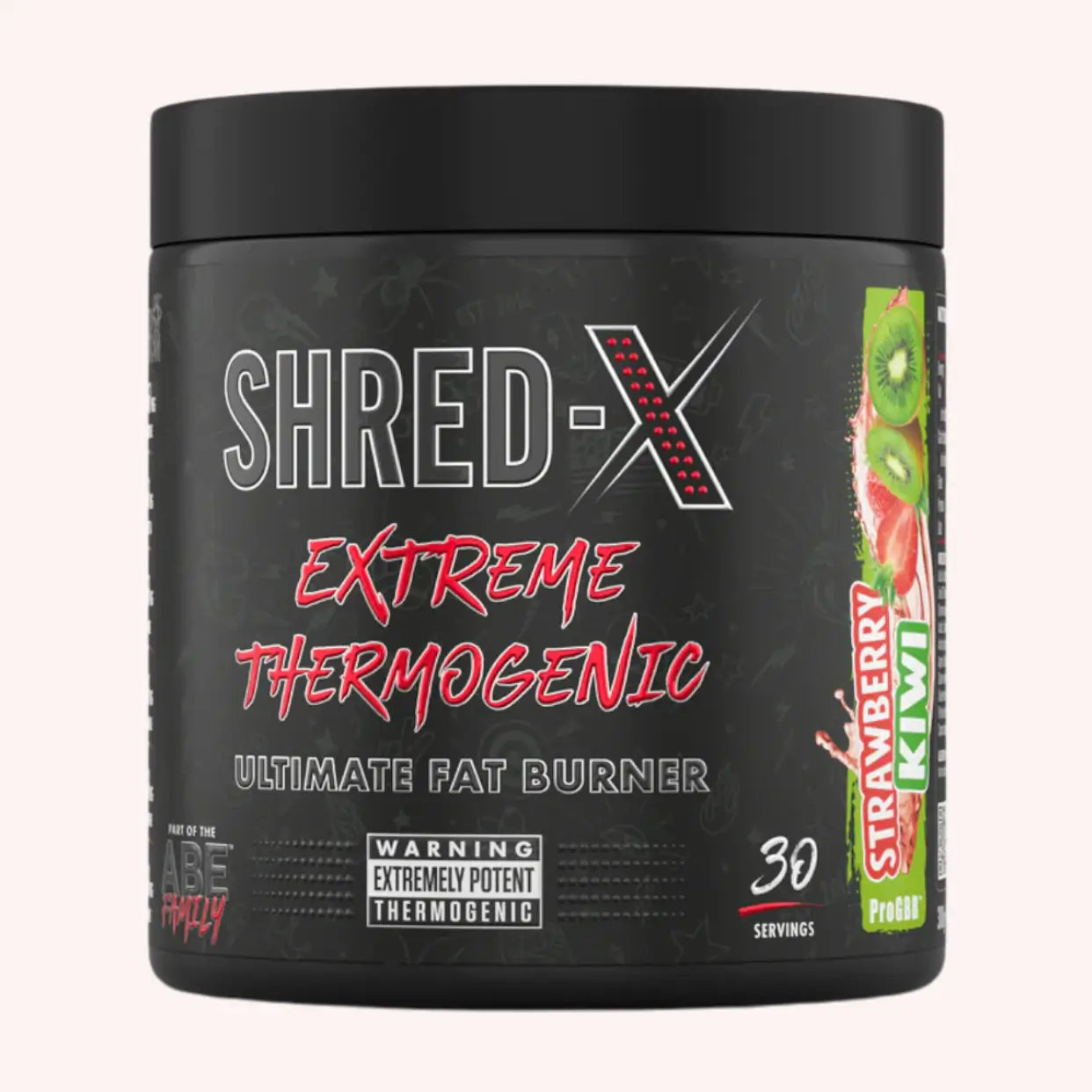
Shred-X - Applied Nutrition
Sale price42,90€
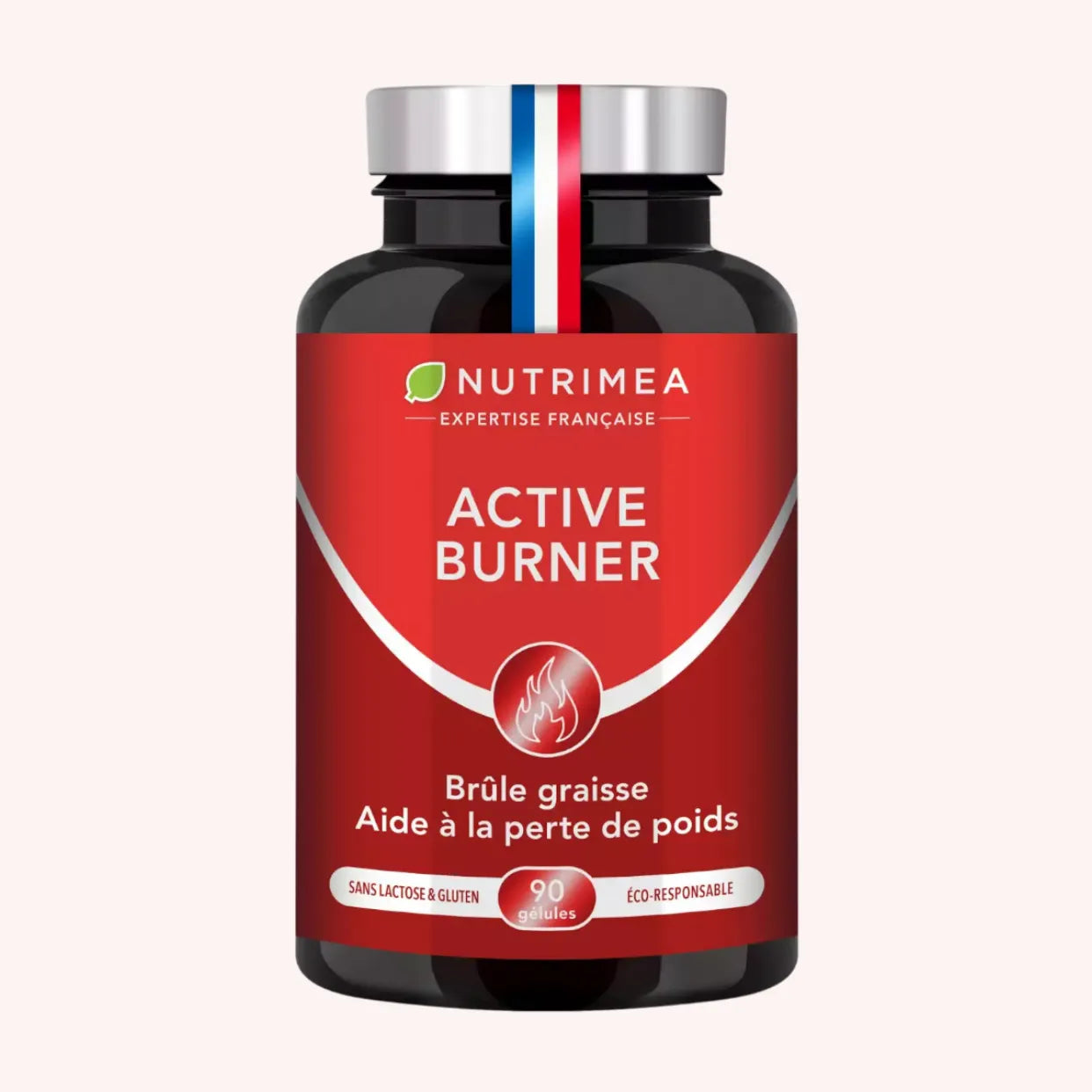
Active burner - Nutrimea
Sale price17,90€
Pourquoi le hiit cardio est-il si efficace ?
L'une des raisons pour lesquelles le hiit cardio est si populaire réside dans ses bienfaits incroyables sur la perte de graisse et l'amélioration de la condition physique en un temps réduit. Comparé à d'autres formes d'entraînement, le hiit est une méthode rapide et puissante pour obtenir des résultats visibles rapidement. Voici pourquoi il est aussi efficace :
1. Brûlage de graisses
Le hiit est particulièrement reconnu pour son efficacité à brûler les graisses, en grande partie grâce à un phénomène appelé la postcombustion. Après une séance intense de hiit, le métabolisme reste élevé pendant plusieurs heures, permettant au corps de continuer à brûler des calories même au repos. Cette période de "brûlage après l'exercice" est l'un des principaux avantages du hiit. Cela rend cet exercice particulièrement efficace pour favoriser la perte de graisse et améliorer la composition corporelle, tout en étant plus court que des séances de cardio modéré.
2. Amélioration de la capacité cardiorespiratoire
Les séances de hiit cardio entraînent le cœur à travailler à des niveaux de plus en plus élevés qui avec le temps améliore non seulement l’endurance mais aussi la performance physique.
3. Gain de temps
Un autre avantage du hiit est son gain de temps. En seulement 15 à 30 minutes, cet exercice offre un programme complet, qui peut s’effectuer partout et surtout sans matériel particulier.
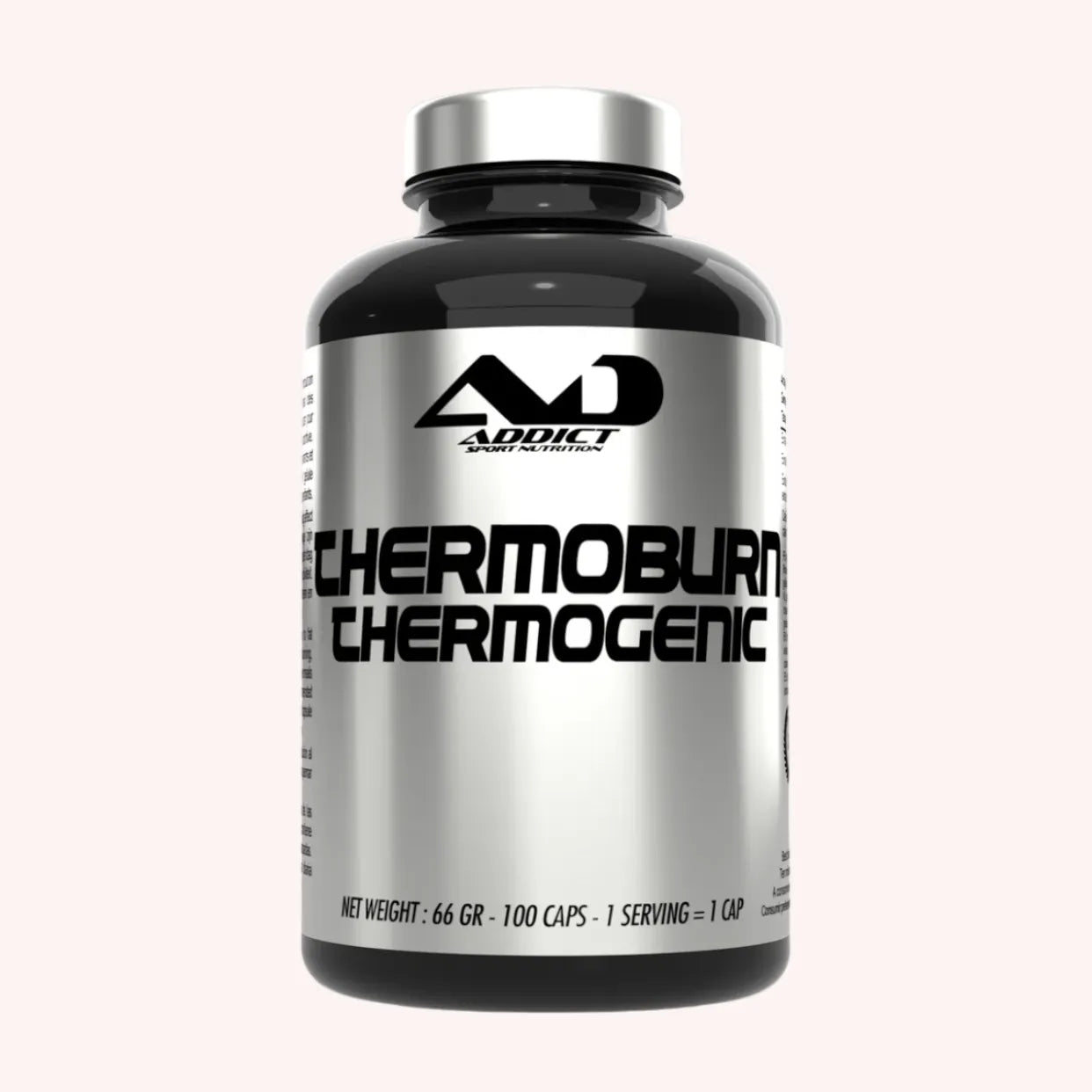
Thermo burn - Addict Sport Nutrition
Sale price19,90€
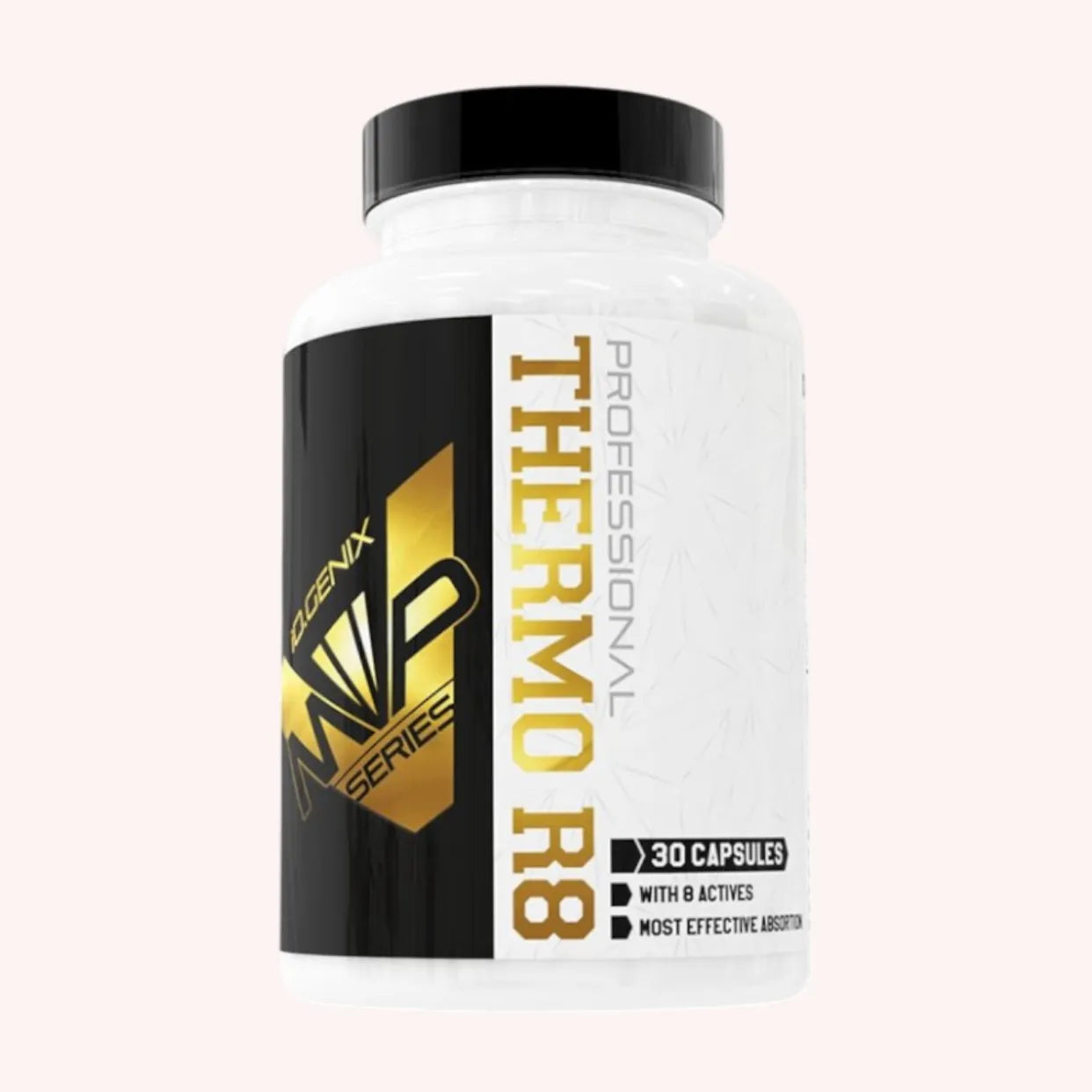
Thermo R8 - Io Genix
Sale price11,90€
Programme hiit cardio : Débutant, intermédiaire et confirmé
L’avantage du hiit cardio est sa flexibilité, qui permet de l'adapter à tous les niveaux, du débutant au sportif confirmé. Voici un programme structuré que vous pouvez ajuster selon votre niveau et vos objectifs.
1. Programme pour débutant
Pour commencer, l'objectif est de vous familiariser avec le format du hiit tout en respectant vos capacités physiques. Commencez par des intervalles plus courts et une intensité modérée, puis augmentez progressivement au fur et à mesure de vos progrès.
-
Échauffement (5 minutes) : Marche rapide sur place, mobilisation articulaire.
-
Circuit HIIT (9-15 minutes) :
- 20 secondes d’effort : Jumping jacks
- 40 secondes de récupération active : Marche lente sur place
- 20 secondes d’effort : Squat
- 40 secondes de récupération active : Marche lente sur place
- 20 secondes d’effort : Monter de genoux
- 40 secondes de récupération active : Marche lente sur place
Répétez le cycle 3-5 fois
- Retour au calme (5 minutes) : Étirements dynamiques.
Ce programme simple vous aidera à vous habituer à l’intensité des séances HIIT tout en améliorant progressivement votre endurance et votre capacité à récupérer entre les efforts.
2. Programme pour niveau intermédiaire
À ce stade, vous avez déjà l'habitude des séances d’effort intense et souhaitez augmenter l’intensité des exercices ainsi que la durée des intervalles. L’idée est de pousser davantage votre corps tout en gardant des temps de repos pour favoriser la récupération.
-
Échauffement (5 minutes) : Course légère.
-
Circuit HIIT (12-20 minutes) :
- 30 secondes d’effort intense : Burpees
- 30 secondes de récupération active : Marche sur place
- 30 secondes d’effort intense : Sprints sur place
- 30 secondes de récupération active : Marche sur place
- 30 secondes d’effort intense : Squat sauté
- 30 secondes de récupération active : Marche sur place
- 30 secondes d’effort intense : Mountain climbers
- 30 secondes de récupération active : Marche sur place
Répétez le cycle 3-5 fois
- Retour au calme (5 minutes) : Étirements dynamiques.
Les exercices choisis ici sollicitent une plus grande force et une meilleure coordination. L'augmentation des périodes d'effort rend ce programme plus dynamique et efficace pour l’amélioration de la condition physique générale.
3. Programme pour sportif confirmé
Les athlètes expérimentés cherchent généralement à maximiser l’intensité pour des résultats encore plus percutants, en augmentant la durée des efforts et en réduisant les temps de repos. Ce programme est conçu pour améliorer la performance, l'endurance et la puissance tout en augmentant le challenge global.
-
Échauffement (5-10 minutes) : Course.
-
Circuit HIIT (18-30 minutes) :
- 45 secondes d’effort intense : Burpees avec saut
- 15 secondes de récupération active : Marche sur place
- 45 secondes d’effort intense : Jumping jacks
- 15 secondes de récupération active : Marche sur place
- 45 secondes d’effort intense : Squat sauté
- 15 secondes de récupération active : Marche sur place
- 45 secondes d’effort intense : Fentes sautés
- 15 secondes de récupération active : Marche sur place
- 45 secondes d’effort intense : Sprint sur place
- 15 secondes de récupération active : Marche sur place
- 45 secondes d’effort intense : Gainage planche
- 15 secondes de récupération active : Marche sur place
Répétez le cycle 3-5 fois
- Retour au calme (5 minutes) : Étirements dynamiques.
Ce programme est destiné à maximiser la performance athlétique en augmentant la charge de travail et en diminuant le temps de repos, favorisant ainsi une adaptation musculaire et cardiovasculaire plus poussée.
Conseils pour tous les niveaux
- Écoutez votre corps : Si vous ressentez une fatigue excessive ou des douleurs, réduisez l’intensité ou augmentez les périodes de repos.
- Progression graduelle : Augmentez l’intensité et la durée au fur et à mesure de vos progrès.
- Variez les exercices : Incluez différents mouvements pour solliciter différents groupes musculaires et maintenir l’entraînement stimulant.
Le hiit cardio est donc une méthode très adaptable qui peut être personnalisée en fonction de vos besoins, vous permettant d'atteindre vos objectifs en optimisant votre temps d’entraînement.
Séance de HIIT cardio : les erreurs à éviter pour progresser efficacement
Le hiit cardio est l’une des méthodes d'entraînement les plus efficaces pour brûler des graisses et perdre du poids mais pour en tirer tous les bénéfices, encore faut-il éviter certaines erreurs fréquentes. Voici les points essentiels à ne pas négliger :
1. Ne sautez jamais l’échauffement
Un bon échauffement prépare le corps à l’effort intense à venir. Il augmente la température musculaire, améliore la mobilité articulaire et réduit considérablement le risque de blessure. Accordez au moins 5 à 10 minutes à cette phase, en combinant cardio léger et mouvements dynamiques.
2. Respectez les phases de récupération
L’intensité du hiit repose sur l’alternance entre effort intense et repos. Ne négligez pas ces temps de récupération : ils permettent au corps de reprendre son souffle, d’éviter la fatigue excessive et d’améliorer la qualité des répétitions. Et n’oubliez pas : entre les séances, un repos de 24 à 48 heures est souvent nécessaire pour laisser le temps à vos muscles de se reconstruire.
3. Dosez l’intensité
Se donner à fond, c’est bien, mais aller trop vite trop fort, c’est contre-productif. Si vous débutez, commencez par des intervalles plus courts ou des exercices modérés, puis augmentez progressivement l’intensité au fil des semaines. Écoutez votre corps.
4. Hydratez-vous correctement
Le hiit fait transpirer abondamment, ce qui entraîne une perte importante d’eau et de minéraux (électrolytes). Buvez suffisamment avant, pendant et après l'entraînement. Vous pouvez aussi enrichir votre boisson avec des électrolytes pour compenser les pertes.
5. Adoptez une bonne hygiène de vie
Le sport ne fait pas tout. Dormir suffisamment, manger équilibré, gérer son stress... Ces éléments jouent un rôle crucial dans la récupération, les performances et les résultats à long terme.
6. Optimisez vos résultats
Si vous cherchez un petit coup de pouce pour brûler des graisses à côté de votre cardio, certains compléments comme les fat burners peuvent vous accompagner. Mais ils ne remplaceront jamais une alimentation saine et un entraînement régulier. Considérez-les comme un bonus, pas comme une solution magique.
Hiit cardio : en résumé
Le hiit cardio alterne des périodes d’effort intense et des phases de récupération active, permettant d'obtenir des résultats rapides. Il est particulièrement efficace pour brûler des graisses, améliorer l’endurance cardiovasculaire et renforcer la condition physique.
Un de ses principaux avantages est l’effet postcombustion, où le métabolisme reste élevé après l’entraînement, continuant de brûler des calories. Cela en fait une méthode idéale pour perdre du poids.
En plus de la perte de graisses, le HIIT améliore rapidement l’endurance et la performance athlétique, avec des séances courtes mais intenses. Il est accessible à tous les niveaux, car l'intensité et la durée des intervalles peuvent être ajustées selon les besoins.