




L’huile de colza est devenue un choix courant dans les cuisines modernes, que ce soit pour l’assaisonnement ou pour la cuisson. Pourtant, malgré sa popularité, elle suscite encore de nombreuses questions : quelles sont ses caractéristiques nutritionnelles ? Comment l’utiliser correctement ? Existe-t-il des précautions à connaître pour éviter les excès ?
Cet article a pour objectif de fournir une vue d’ensemble complète sur l’huile de colza. Il abordera sa composition, ses intérêts nutritionnels, les précautions liées à son utilisation et les conseils pour l’intégrer dans une alimentation variée et équilibrée.

Sommaire
Qu’est-ce que l’huile de colza ?
Origine et fabrication
On distingue principalement deux types d’huile de colza :
Composition nutritionnelle
L’huile de colza se distingue par un profil lipidique particulièrement intéressant. Elle est composée majoritairement d’acides gras insaturés, avec une répartition équilibrée :
- environ 60 % d’acides gras mono-insaturés (principalement acide oléique),
- environ 20 % d’acides gras poly-insaturés oméga-6,
- environ 10 % d’acides gras poly-insaturés oméga-3 (acide alpha-linolénique),
- une faible proportion d’acides gras saturés.
Ce ratio oméga-6 / oméga-3 est considéré comme favorable, surtout dans les régimes occidentaux où les oméga-6 sont souvent surreprésentés.
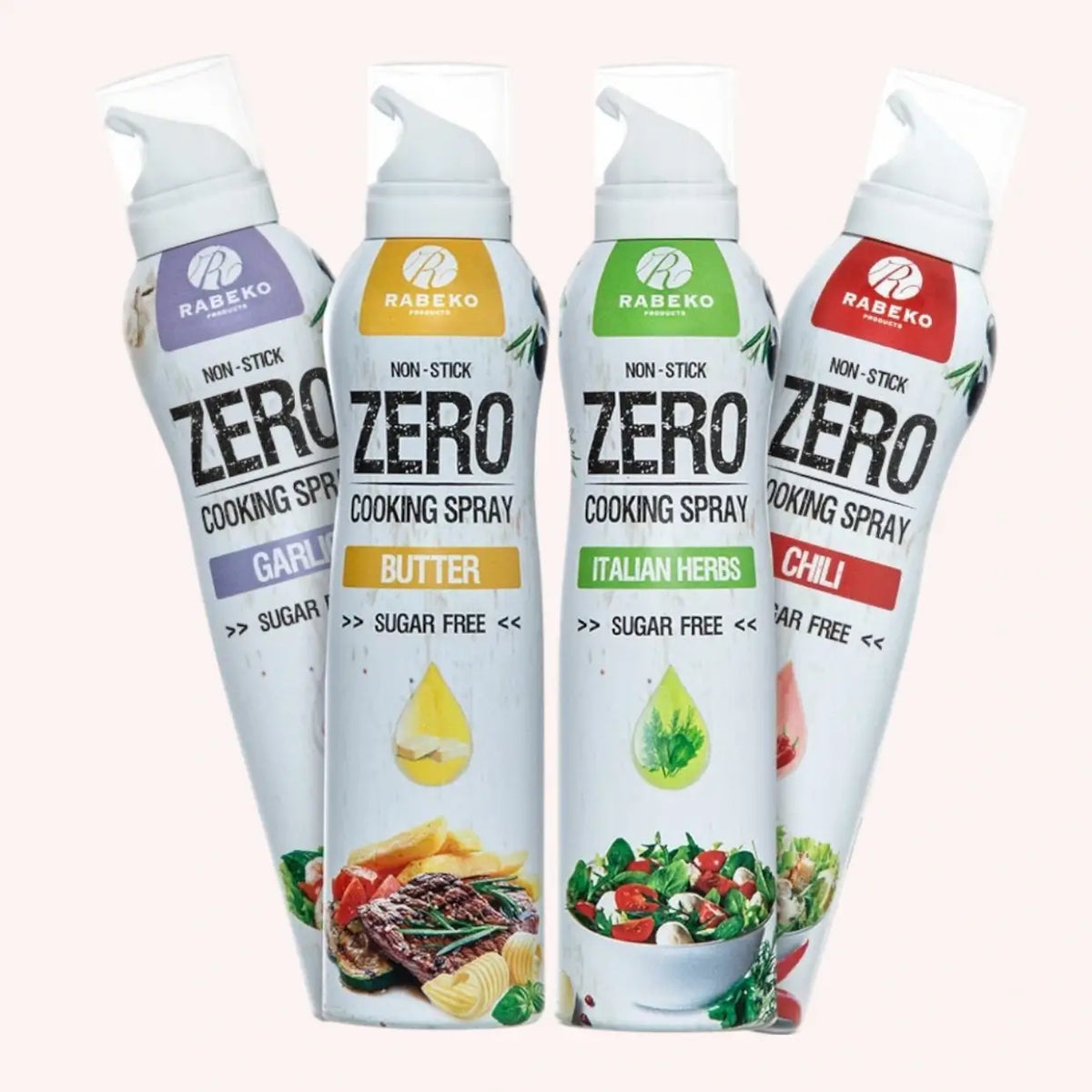

Cooking spray - Rabeko
Sale price9,90€
Cooking spray - Rabeko
9,90€
- Vegetable oil
- Perfect for cooking
- Very few calories per use
Huile de colza bienfaits
L’intérêt de cette huile repose avant tout sur sa composition nutritionnelle et sur la place qu’elle peut occuper dans une alimentation variée et équilibrée.
Une composition lipidique équilibrée
L’huile de colza se distingue par une répartition particulière de ses acides gras. Elle contient majoritairement des acides gras mono-insaturés, ainsi qu’une proportion notable d’acides gras poly-insaturés, dont des oméga-3 et des oméga-6.
L’huile de colza est ainsi comme une option permettant de diversifier les sources de lipides alimentaires notamment en comparaison avec certaines huiles végétales plus riches en oméga-6.
Une source d’acides gras essentiels
Les oméga-3 et oméga-6 présents dans l’huile de colza font partie des acides gras dits essentiels, car l'organisme n’est pas capable de les produire, ils doivent donc être apportés par l’alimentation. L’huile de colza constitue donc une source alimentaire parmi d’autres pour contribuer aux apports quotidiens en acides gras essentiels.
Il est toutefois important de rappeler que l’équilibre global de l’alimentation reste déterminant, et que l’huile de colza ne peut être considérée isolément.
Une huile naturellement pauvre en acides gras saturés
Comparée à certaines matières grasses animales ou végétales, l’huile de colza présente une faible teneur en acides gras saturés. Cet élément explique pourquoi elle est souvent citée dans les recommandations nutritionnelles générales comme une huile pouvant être intégrée à une alimentation courante, au même titre que d’autres huiles végétales.
Un usage polyvalent en alimentation
L’un des atouts de l’huile de colza réside également dans sa polyvalence d’utilisation. Son goût relativement neutre permet de l’intégrer facilement dans de nombreuses préparations, notamment en assaisonnement ou en cuisson douce, selon le type d’huile choisi.
Cette facilité d’usage favorise son intégration dans les habitudes alimentaires, sans modifier de manière significative le goût des plats.
Huile de colza et cuisson : ce qu’il faut vraiment savoir
Peut-on cuire avec de l’huile de colza ?
La question de la cuisson est centrale et souvent source de confusion. La réponse dépend du type d’huile de colza utilisé.
- Huile de colza vierge ou pressée à froid : à privilégier pour les usages à froid (assaisonnements, salades).
- Huile de colza raffinée : plus stable, elle peut être utilisée pour des cuissons douces à modérées.
Le point de fumée de l’huile de colza raffinée se situe généralement autour de 200 °C, ce qui permet une utilisation raisonnable en cuisson, tant que les températures ne sont pas excessives.
Pourquoi éviter les cuissons trop fortes ?
Les acides gras poly-insaturés, notamment les oméga-3, sont sensibles à la chaleur. Une cuisson trop intense peut entraîner leur dégradation et la formation de composés indésirables. C’est pourquoi il est recommandé de réserver l’huile de colza aux cuissons douces et d’alterner avec d’autres huiles plus stables pour les températures élevées.
Huile de colza danger
L’huile de colza est généralement considérée comme une huile végétale adaptée à l’alimentation courante. Toutefois, comme pour toute matière grasse, une consommation excessive peut poser problème, non pas en raison d’une toxicité spécifique, mais en raison d’un déséquilibre global de l’alimentation.
La notion de surconsommation des matières grasses
L’huile de colza est un aliment à forte densité énergétique. Une consommation trop importante, surtout si elle s’ajoute à d’autres sources de lipides déjà présentes dans l’alimentation, peut conduire à un apport calorique excessif.
Dans ce contexte, le risque ne provient pas de l’huile de colza elle-même, mais :
- d’un excès global de matières grasses,
- d’un déséquilibre entre les apports et les besoins,
- et d’une alimentation insuffisamment variée.
Déséquilibre des apports en acides gras
Même si l’huile de colza présente un profil lipidique équilibré, une consommation trop importante peut contribuer à un déséquilibre des apports en acides gras, notamment si elle devient la source quasi exclusive de lipides alimentaires.
Une surconsommation peut alors :
- réduire la diversité des apports en acides gras,
- limiter l’intérêt de la rotation entre différentes huiles végétales,
- éloigner des recommandations nutritionnelles générales qui insistent sur la variété.
Le cas particulier des oméga-6 et oméga-3
L’huile de colza contient à la fois des oméga-3 et des oméga-6. En quantité excessive, comme pour toute source lipidique, cela peut participer à un déséquilibre des apports lipidiques globaux, surtout si d’autres aliments riches en oméga-6 sont consommés en parallèle.
Ce point souligne l’importance de raisonner en termes d’ensemble de l’alimentation, et non d’aliment isolé.
Surconsommation et modes d’utilisation inadaptés
Une consommation excessive est parfois associée à des usages inadaptés, comme :
- l’utilisation répétée à haute température,
- une mauvaise conservation,
- ou l’ajout systématique d’huile sans prise en compte des autres matières grasses du repas.
Ces pratiques peuvent réduire l’intérêt nutritionnel de l’huile de colza et s’inscrire dans une logique de surconsommation.
Une question de quantité, pas de danger
Il est important de rappeler que l’huile de colza ne présente pas de danger spécifique lorsqu’elle est consommée dans des quantités raisonnables. Les éventuels effets indésirables évoqués dans certaines discussions sont presque toujours liés à un excès, et non à l’huile elle-même.
Comme pour l’ensemble des corps gras, la clé réside dans :
- la modération,
- la diversité,
- et l’adéquation avec les besoins individuels.
En cas de situation particulière ou de question liée à l’alimentation, il reste recommandé de solliciter l’avis d’un professionnel de santé ou de la nutrition.
Comment bien utiliser l’huile de colza au quotidien ?
Quantités et fréquence
Les recommandations nutritionnelles suggèrent de varier les sources de matières grasses. Une à deux cuillères à soupe d’huile de colza par jour, intégrées dans une alimentation équilibrée.
Conservation optimale
L’huile de colza doit être conservée :
- à l’abri de la lumière,
- dans un endroit frais,
- idéalement dans une bouteille opaque.
Une mauvaise conservation accélère l’oxydation et altère la qualité nutritionnelle.
Les types de formats de l’huile de colza
L’huile de colza se décline aujourd’hui sous différents types de formats pratiques, adaptés aux usages variés en cuisine :
- Bouteille liquide (verre ou plastique) : le format classique, idéal pour l’assaisonnement ou la cuisson. Disponible en plusieurs tailles, allant de 250 ml pour un usage occasionnel à 5 litres pour les familles nombreuses ou la cuisine professionnelle.
- Sprayou pulvérisateur : permet de répartir l’huile de manière uniforme sur les salades, légumes ou poêles, tout en utilisant moins de matière grasse. Pratique pour les recettes nécessitant une fine couche d’huile et pour mieux contrôler les quantités.
- Dosettes individuelles: adaptées aux repas à emporter, pique-niques ou portions précises dans les préparations. Ces formats réduisent le contact avec l’air et la lumière, ce qui contribue à préserver la qualité de l’huile.
- Bidons ou conteneurs de grande capacité (10 à 20 litres) : destinés à la cuisine professionnelle ou à un usage intensif. Ils permettent de répondre à un besoin régulier tout en nécessitant un stockage adéquat pour maintenir la qualité de l’huile.
Ces différents formats offrent une grande flexibilité d’utilisation, permettant à chaque utilisateur de choisir la solution la mieux adaptée à ses besoins culinaires et à son mode de consommation.
Huile de colza, bienfaits et conseils d’utilisation : En résumé
L’huile de colza est une huile végétale polyvalenteet largement utilisée dans l’alimentation courante. Son intérêt principal réside dans sa composition nutritionnelle, qui en fait une source parmi d’autres d’acides gras essentiels et de matières grasses variées. Lorsqu’elle est utilisée de manière modérée et adaptée, elle peut être intégrée à différents types de préparations, notamment en assaisonnement ou en cuisson douce, et son goût neutre facilite son inclusion dans les plats sans en altérer la saveur.
Comme pour toutes les matières grasses, la prudence est nécessaire en cas de consommation excessive. Une utilisation trop importante peut entraîner un apport calorique élevé et un déséquilibre dans l’alimentation, mais l’huile elle-même ne présente pas de danger spécifique lorsqu’elle est consommée de manière raisonnable. Pour en tirer le meilleur parti, il convient de varier les sources de matières grasses, de respecter les modes d’utilisation adaptés selon que l’huile est consommée à froid ou pour des cuissons douces, et de la conserver correctement, à l’abri de la chaleur et de la lumière.
Source :
- Shen J., Liu Y. et all. A Comprehensive Review of Health-Benefiting Components in Rapeseed Oil. Nutrients, 2023, 15(4):999. MDPI. https://www.mdpi.com/2072-6643/15/4/999

