

L’hydratation est souvent perçue comme un geste simple, presque anodin. Pourtant, elle est au cœur de nombreuses fonctions de l’organisme. Puisque le corps humain est composé en grande partie d’eau, maintenir un apport hydrique suffisant est essentiel au quotidien.
Malgré cette évidence, nombreuses sont les personnes qui peinent encore à boire suffisamment d’eau. Manque d’habitude, oubli ou absence de sensation de soif : les raisons sont multiples. Dans ce contexte, des alternatives comme les boissons aromatisées sans sucre en format poudre gagnent en popularité, en offrant une manière plus attrayante et pratique de s’hydrater.
Dans cet article, nous explorerons pourquoi l’hydratation est indispensable, quels sont les besoins réels du corps et comment adapter sa consommation d’eau au quotidien, que ce soit dans un cadre sportif ou simplement pour améliorer son hygiène de vie.
Le rôle essentiel de l’hydratation dans le corps humain
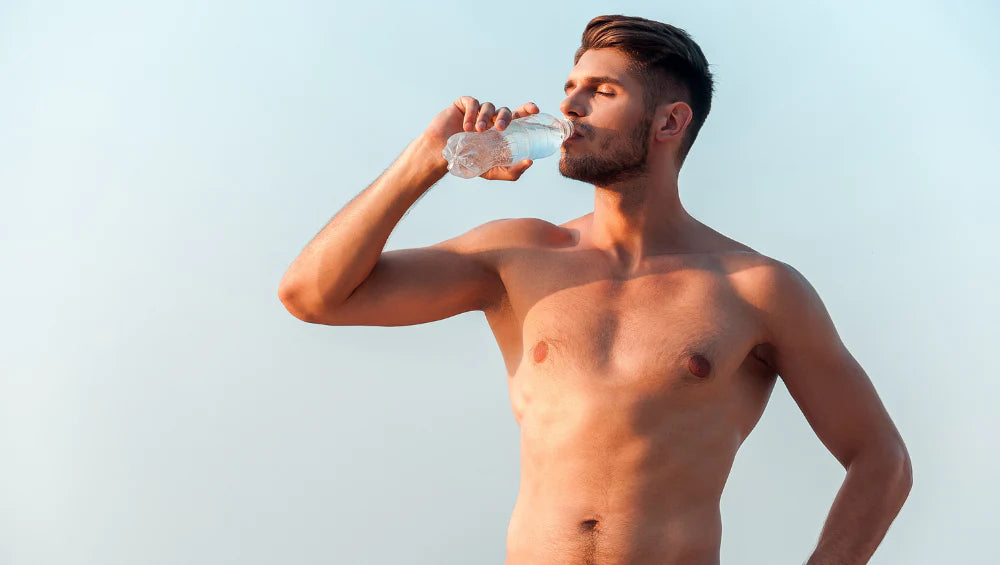
Le corps humain est constitué en grande partie d’eau, généralement entre 50 % et 70 % selon l’âge, le sexe ou encore la composition corporelle. Cette eau est présente à la fois à l’intérieur des cellules et dans les différents fluides corporels, comme le sang.
Dans les données scientifiques et les références en physiologie humaine, l’eau est associée à de nombreux mécanismes naturels de l’organisme, parmi lesquels :
- la régulation de la température corporelle
- la circulation de certaines substances dans le corps, comme les nutriments ou l’oxygène
- les processus d’élimination de certaines substances issues du métabolisme
- le maintien de certaines fonctions mécaniques, notamment au niveau des articulations
Ces éléments permettent de mieux comprendre pourquoi les apports en eau font l’objet de recommandations générales au quotidien.

Quels sont les besoins réels en hydratation ?
Des besoins variables selon les individus
Il n’existe pas de quantité d’eau universelle qui conviendrait à tout le monde. Les apports hydriques peuvent varier en fonction de plusieurs facteurs individuels, notamment :
- le poids corporel
- le niveau d’activité physique
- les conditions climatiques (chaleur, humidité, etc.)
- les habitudes alimentaires
Les organismes de référence en nutrition, comme l’ANSES (1), proposent des repères généraux. Pour les adultes, un apport quotidien d’environ 1,5 à 2 litres d’eau est souvent mentionné, à ajuster selon les situations.
Ces repères s’inscrivent dans une approche globale, où il est généralement conseillé de répartir ses apports au cours de la journée.
Un constat fréquent : des apports parfois insuffisants
Dans la pratique, de nombreuses personnes déclarent ne pas boire régulièrement au cours de la journée. L’absence de sensation de soif, un rythme de travail soutenu ou encore un environnement climatisé peuvent influencer ces habitudes.
Dans ce contexte, l’hydratation ne repose pas uniquement sur des repères théoriques, mais aussi sur des comportements du quotidien. Les habitudes de consommation, l’organisation de la journée ou encore l’accessibilité aux boissons peuvent jouer un rôle dans la régularité des apports.
Comment augmenter facilement ses apports ?
Adopter une hydratation plus régulière au quotidien repose souvent sur des ajustements simples plutôt que sur des changements radicaux. L’objectif est avant tout de faciliter l’accès aux boissons et d’intégrer de nouvelles habitudes dans sa routine.
Voici quelques astuces faciles à mettre en place :
- Garder une boisson à portée de main : avoir une gourde ou un verre à proximité (au bureau, dans la voiture, à la maison) peut encourager une consommation plus régulière.
- Fractionner les prises : boire en petites quantités tout au long de la journée est souvent plus simple que de consommer de grandes quantités en une seule fois.
- Associer l’hydratation à des moments clés : par exemple au réveil, pendant les repas ou lors de pauses.
- Varier les formats : eau plate, eau pétillante, infusions ou boissons aromatisées sans sucre peuvent contribuer à diversifier les apports.
- Utiliser des rappels : certaines personnes choisissent de s’appuyer sur des applications ou des alarmes pour structurer leur consommation.
Hydratation sportive
Lors d’une activité physique, le fonctionnement de l’organisme évolue en fonction de l’intensité et de la durée de l’effort. La température corporelle tend à augmenter et le phénomène de transpiration devient plus marqué. Ces mécanismes s’accompagnent naturellement de pertes hydriques plus importantes.
Dans ce contexte, l’hydratation est généralement adaptée en fonction de plusieurs paramètres liés à l’effort et à l’environnement.
Les principaux facteurs à prendre en compte
Une stratégie d’hydratation pendant le sport dépend notamment de :
- la durée et l’intensité de l’activité physique
- les conditions climatiques (chaleur, humidité, etc.)
- le niveau de transpiration, qui varie selon les individus
- les habitudes d’hydratation avant, pendant et après l’effort
Ces éléments permettent d’adapter la consommation de liquides en fonction des situations plutôt que d’appliquer une approche unique.
Hydratation et électrolytes
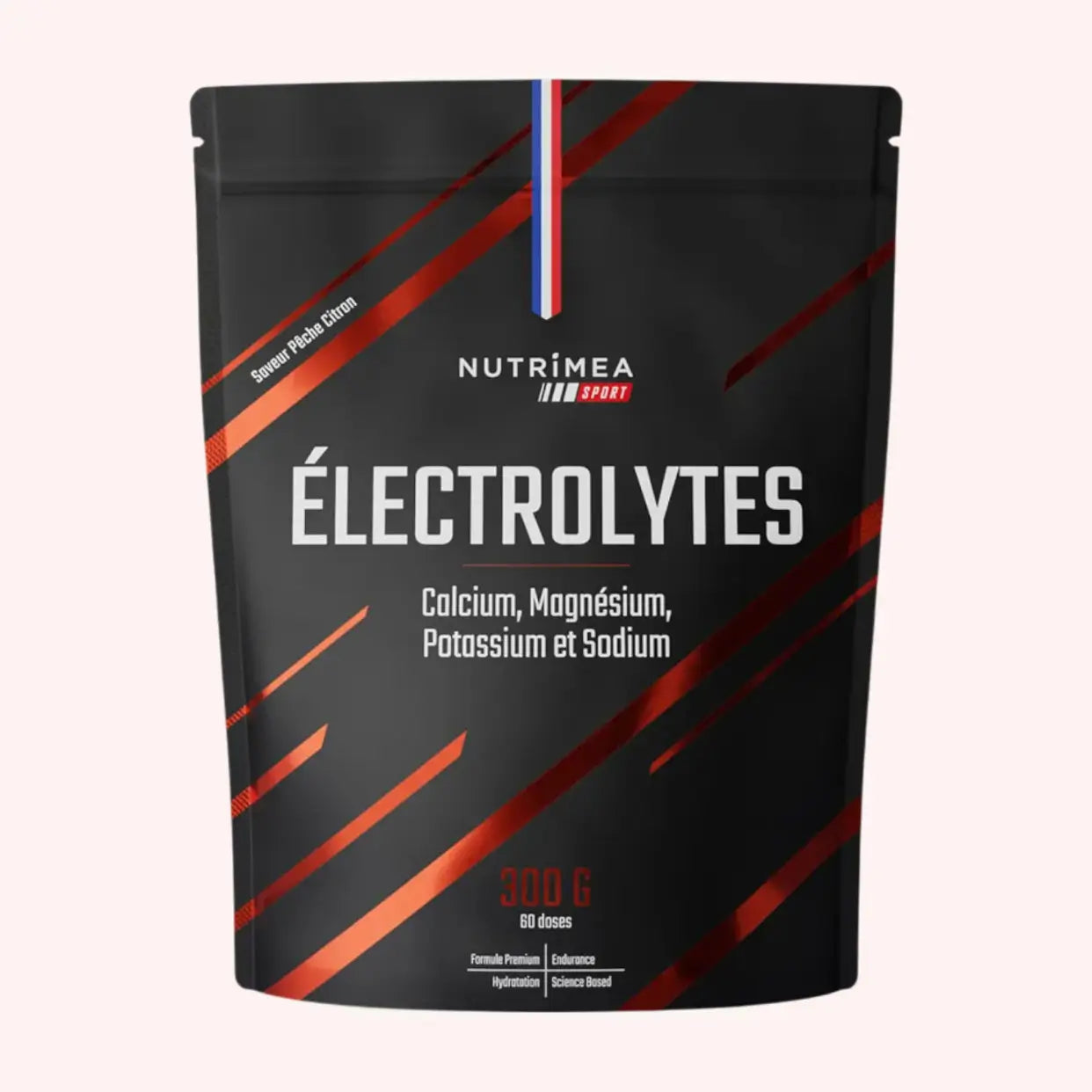
L’hydratation ne se limite pas uniquement à l’apport en eau. Elle est également liée à la présence de certains minéraux, souvent appelés électrolytes, comme le sodium, le potassium ou encore le magnésium. Ces éléments sont naturellement présents dans l’organisme et dans différents aliments et boissons.
Dans les références en nutrition, ces minéraux sont essentiels à l’organisme pour leurs nombreux bienfaits :
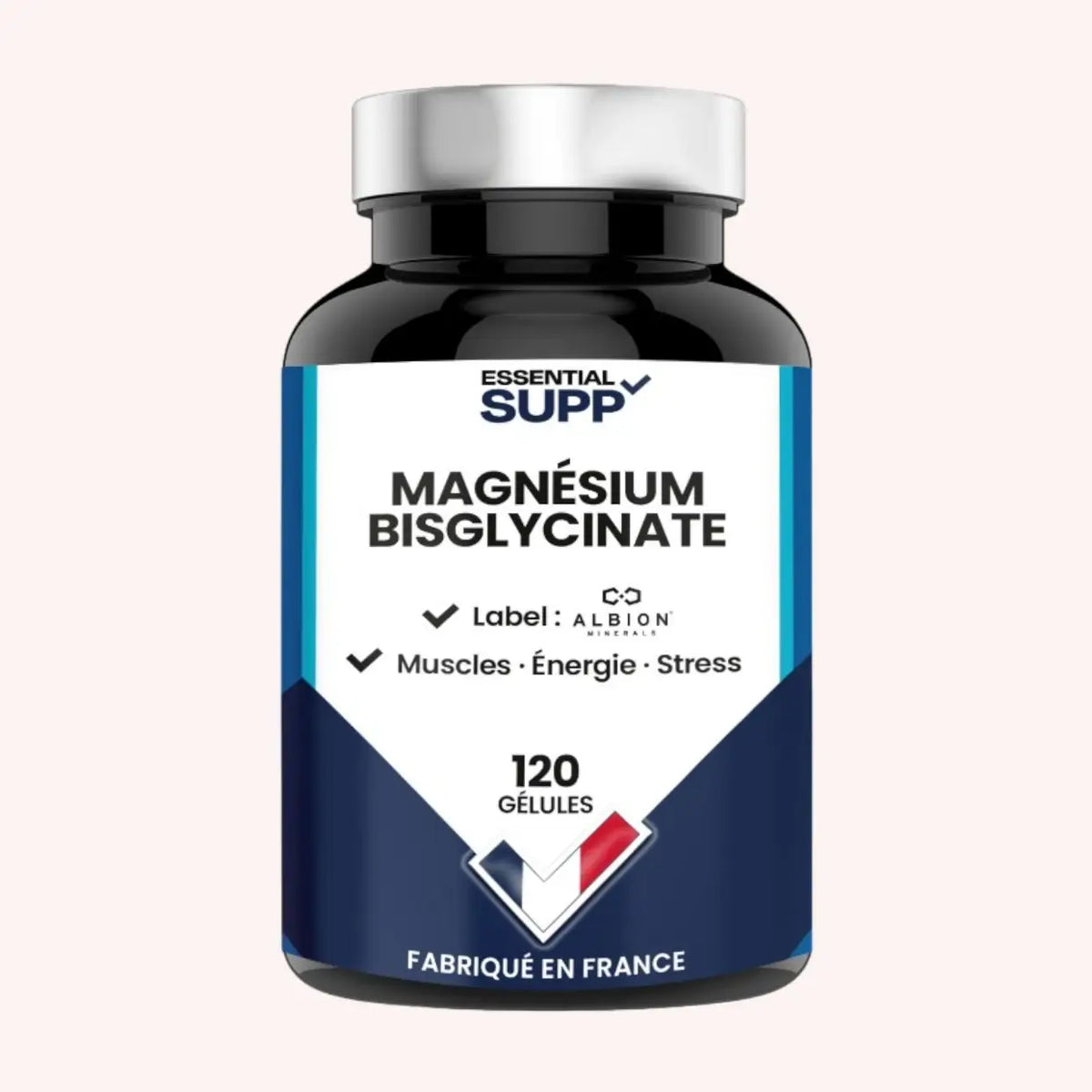
- Le magnésium contribue à réduire la fatigue
- Le magnésium contribue à l’équilibre électrolytique
- Le magnésium contribue au fonctionnement normal du système nerveux
- Le magnésium contribue à une fonction musculaire normale
- Le magnésium contribue au maintien d’une ossature normale
Adapter son hydratation à ses besoins
Il n’existe pas de stratégie unique valable pour tous. L’approche la plus adaptée consiste généralement à ajuster les apports en fonction du contexte de l’effort et des sensations individuelles.
L’objectif est avant tout de maintenir une hydratation régulière tout au long de l’activité, sans attendre une sensation de soif marquée.
Hydratation et plaisir : Un facteur souvent négligé
Pourquoi certaines personnes boivent-elles trop peu ?
Pour une partie des consommateurs, l’eau nature est parfois perçue comme peu attractive en goût. Cette perception peut influencer la fréquence de consommation au cours de la journée.
Dans ce contexte, le fait de varier les saveurs peut être un élément intéressant pour rendre la consommation d’eau plus agréable et plus régulière.
Alternatives modernes : les eaux aromatisées
Il existe aujourd’hui différentes solutions permettant d’aromatiser l’eau, sous forme de poudres ou de sirops sans sucre ou à faible teneur calorique. Ces alternatives sont souvent utilisées par des personnes qui souhaitent :
- augmenter progressivement leur consommation d’eau
- limiter les boissons sucrées du quotidien
- ajuster leurs apports énergétiques globaux
Ces produits s’inscrivent dans une tendance plus large de substitution des boissons sucrées traditionnelles par des alternatives plus légères en calories.
Boisson bolero
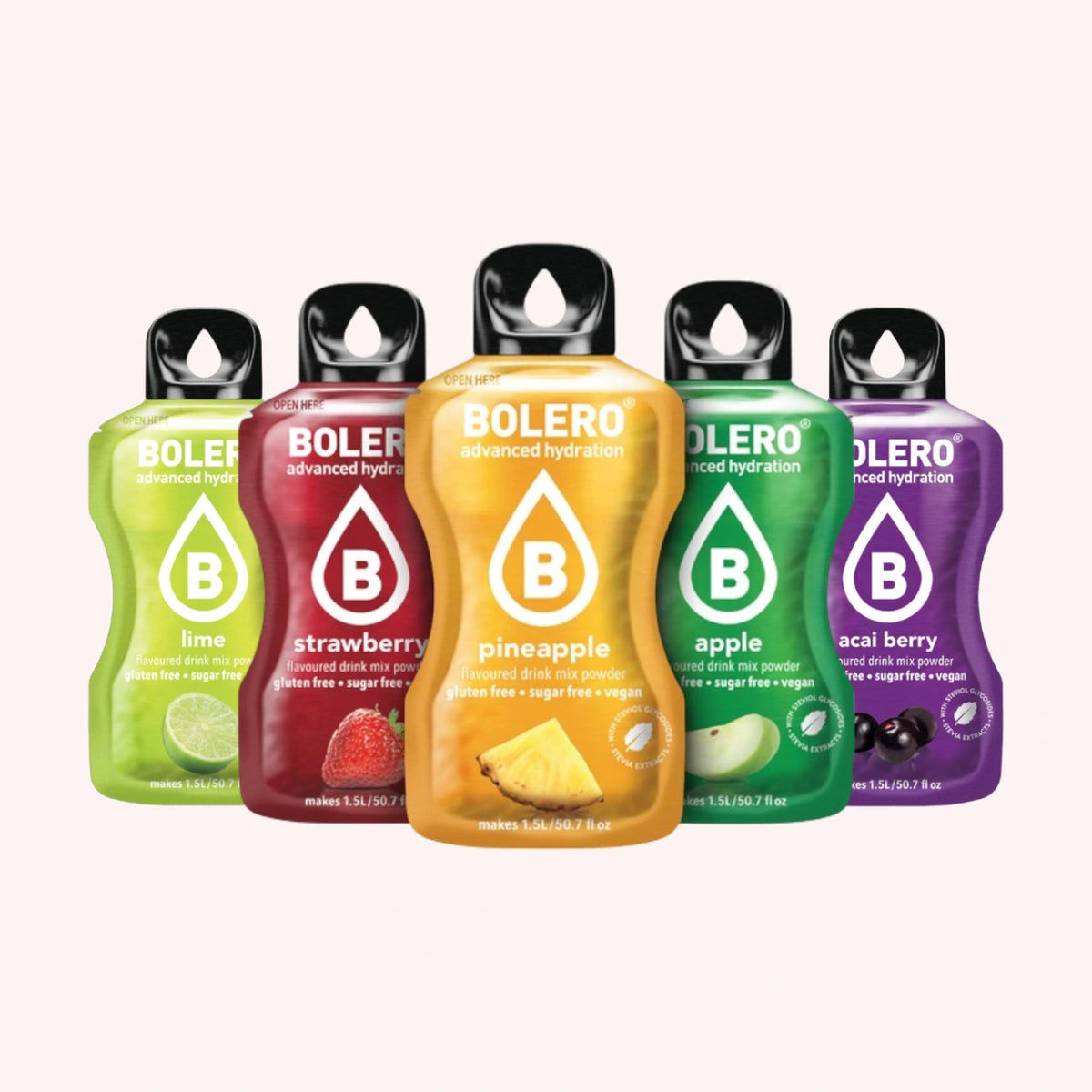
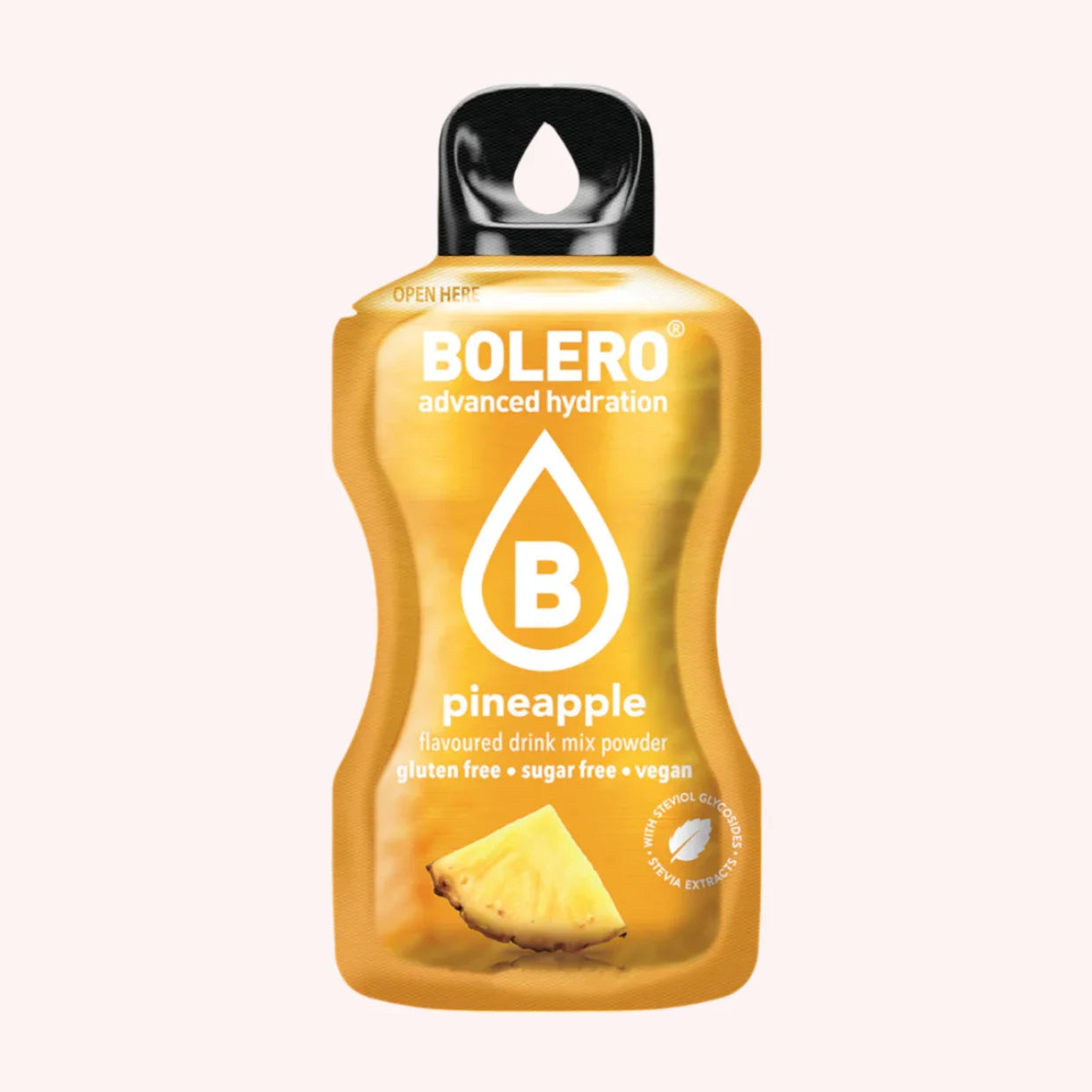
Certaines boissons comme les poudres aromatisées Bolero permettent de transformer simplement un verre ou une bouteille d’eau en boisson aromatisée. Elles présentent généralement :
- une grande variété de saveurs
- une utilisation simple par dilution dans l’eau
- une faible teneur calorique
Ces solutions sont parfois utilisées comme alternative aux sirops classiques, notamment pour ajuster le goût de l’eau au quotidien.
Sirop sans sucre
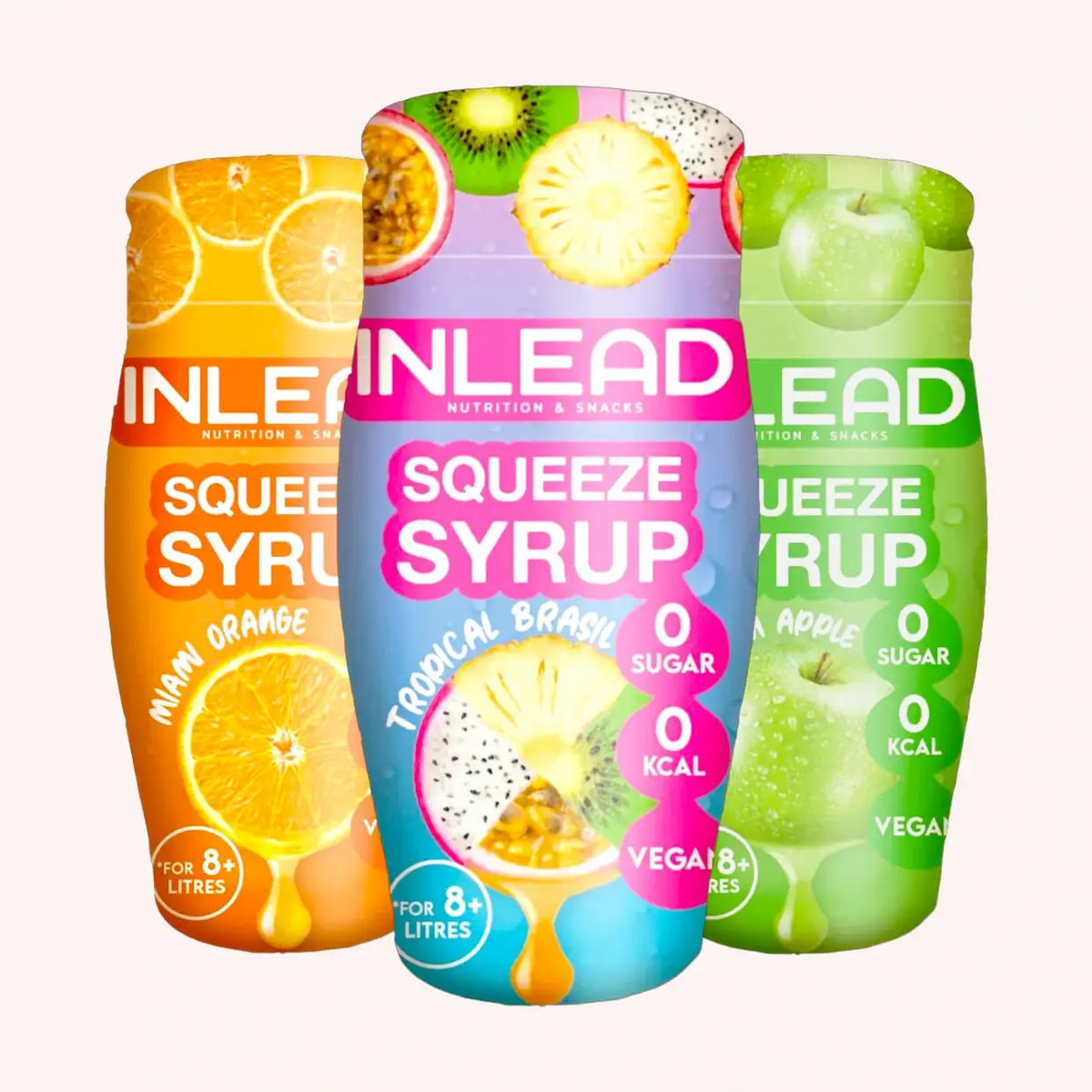
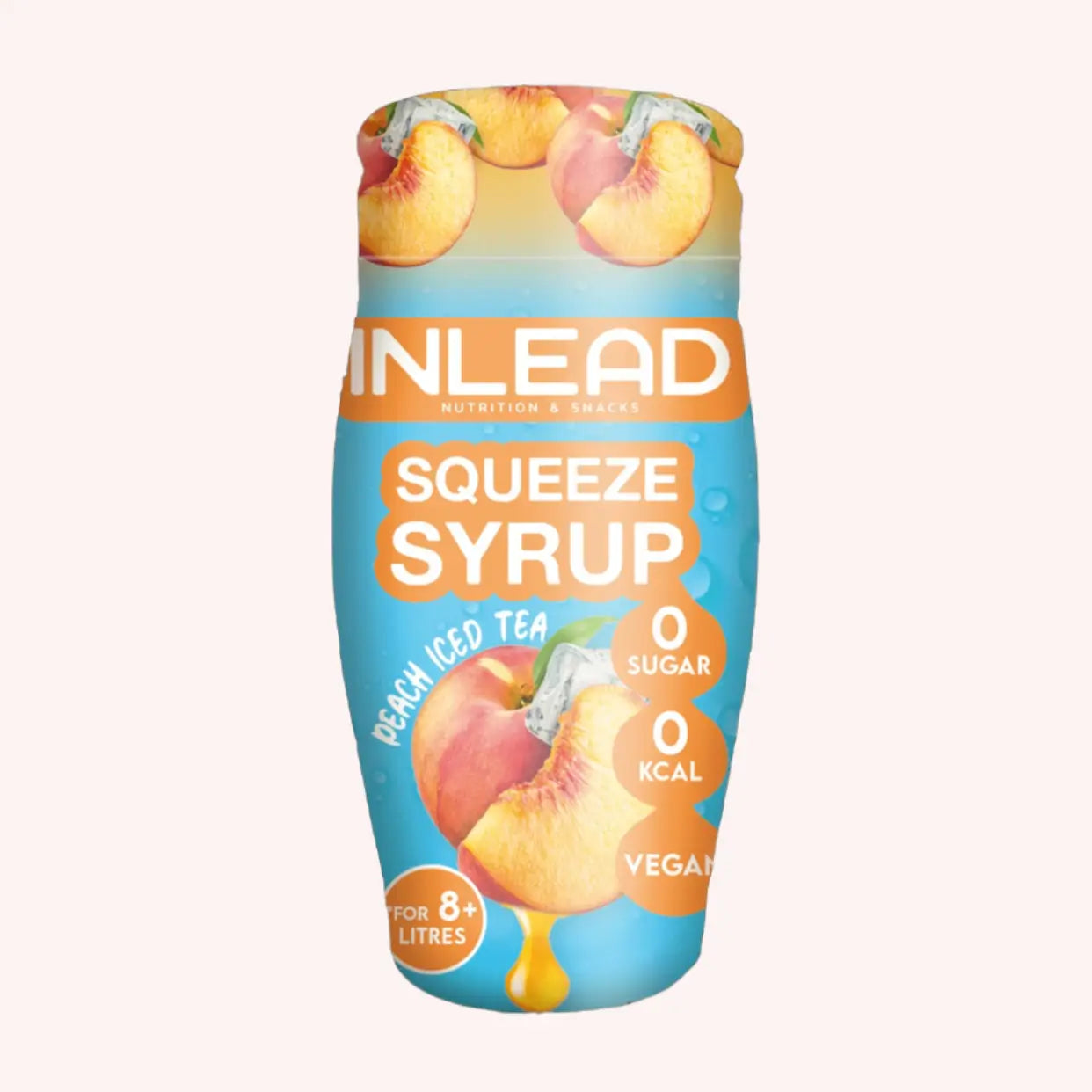
Les sirops sans sucre font partie des alternatives couramment utilisées pour aromatiser l’eau tout en limitant l’apport en sucres. Ils sont généralement dilués dans de l’eau plate ou pétillante, selon les préférences.
Ce type de produit s’adresse souvent aux personnes qui souhaitent varier le goût de leur hydratation quotidienne, sans recourir aux boissons sucrées traditionnelles. Ils existent sous différentes saveurs et formulations, ce qui permet de personnaliser facilement sa boisson.
Fruits et légumes dans l’hydratation
Au-delà des boissons, certains aliments contribuent également aux apports en eau dans le cadre de l’alimentation quotidienne. Les fruits et légumes, en particulier, contiennent naturellement une proportion importante d’eau.
Ils peuvent ainsi compléter les apports hydriques globaux, en parallèle des boissons consommées au cours de la journée.
Hydratation, boire plus d’eau efficacement : en résumé
L’hydratation est un pilier essentiel à l’organisme. Une consommation d’eau régulière reste la base, mais les besoins peuvent varier selon le mode de vie et l’intensité de l’activité sportive.
Dans ce contexte, des solutions comme les boissons aromatisées sans sucre peuvent aider les personnes qui ont du mal à boire suffisamment, en rendant l’hydratation plus agréable au quotidien. Elles constituent une alternative intéressante aux boissons sucrées, sans remplacer une alimentation équilibrée ni une hydratation adaptée en cas d’effort intense.
L’essentiel est donc d’adopter une approche simple et cohérente : boire régulièrement, écouter ses besoins et ajuster son hydratation en fonction de son rythme de vie.