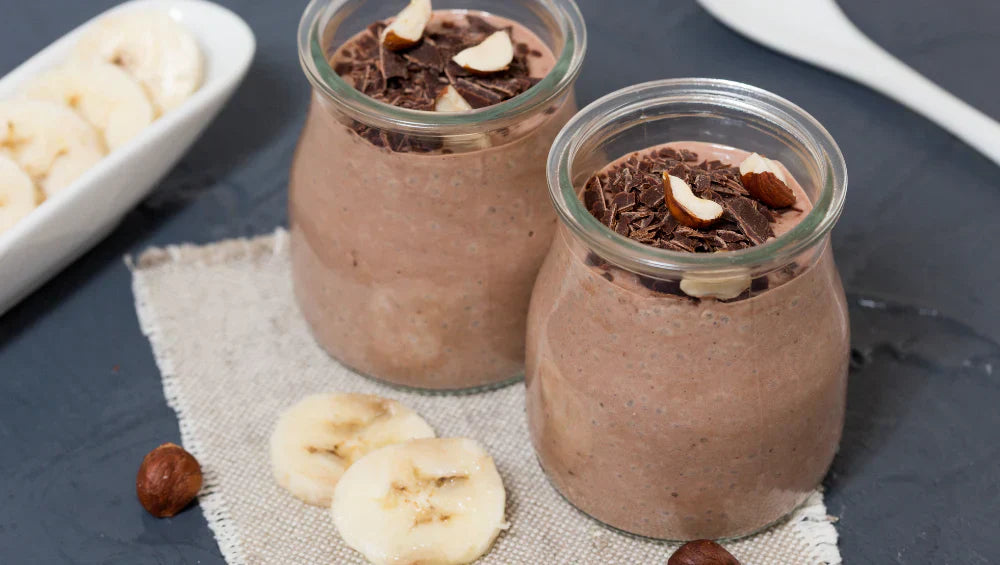
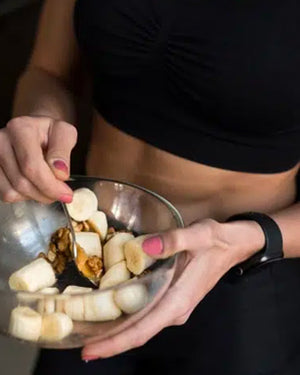


La whey ne se limite pas aux shakes post-entraînement. Elle peut devenir un véritable ingrédient du quotidien, intégré à des recettes à la fois simples, savoureuses et équilibrées. Utilisée intelligemment, elle permet de créer des alternatives protéinées à des collations classiques, sans sacrifier le goût ni la texture.
Dans cet article, l’objectif est de montrer comment la whey peut s’adapter à des préparations variées, que ce soit pour le petit-déjeuner, une collation après le sport, ou un encas équilibré en cours de journée. Des recettes comme le bowl cake, le pancake, la barre protéinée ou encore le smoothie protéiné.
Ces idées conviennent aussi bien aux pratiquants de musculation qu’à toute personne souhaitant augmenter leurs apports en protéines.
Pourquoi cuisiner avec la whey ?
1. Bienfaits nutritionnels de la whey
La whey est une source de protéines complètes, à assimilation rapide. Elle contient les acides aminés essentiels, dont les BCAA comme la leucine, ces atouts en font un allié de choix pour les sportifs.
De plus elle contribue à :
- augmenter la masse musculaire,
- maintenir de la masse musculaire,
- et également de maintenir une ossature normale.
2. La stabilité à la cuisson
- La whey reste efficace une fois cuite
Quand on chauffe une protéine, comme la whey, on parle de dénaturation. Ce processus modifie sa structure, sans pour autant diminuer sa valeur nutritionnelle. En d'autres termes, la protéine change de forme, mais pas de fonction : les acides aminés qu’elle contient restent intacts et le corps peut toujours les utiliser pour ses bienfaits et en tirer les bénéfices.
- Ce qui peut changer : texture
En revanche, la cuisson peut affecter la texture de la whey et sa façon d’interagir avec les autres ingrédients. À forte température ou si le temps de cuisson est trop long, la whey peut devenir granuleuse, former des grumeaux, ou dessécher la préparation.
C’est pourquoi certaines recettes à base de whey peuvent donner un résultat un peu caoutchouteux ou sec si les dosages ou le temps de cuisson ne sont pas bien ajustés.
- Conseils pour une cuisson réussie
Voici quelques bonnes pratiques pour préserver les qualités gustatives et nutritionnelles de vos recettes à base de whey :
- Évitez les cuissons trop longues ou trop agressives (comme le four à haute température pendant 30 minutes).
- Privilégiez des préparations rapides : pancake à feu doux, bowl cake au micro-ondes (2 à 3 minutes), smoothie tiède.
- Mélangez la whey avec un liquide tiède avant de l’ajouter à la pâte, pour éviter la formation de grumeaux.
- Ajoutez des ingrédients humides (banane écrasée, œuf, compote, yaourt…) pour équilibrer la texture.
- Testez votre recette avec différents types de whey (isolate, concentrée) : certaines sont plus faciles à cuisiner que d’autres.
3. Avec quel type de whey cuisiner ?
Il existe plusieurs types de whey sur le marché, et bien choisir la vôtre peut faire toute la différence dans une recette et vos régimes alimentaires. Toutes les formes de whey apportent des protéines de qualité, mais leur comportement en cuisine, leur goût et leur texture peuvent varier. Voici ce qu’il faut savoir avant d’ouvrir le blender ou de sortir le fouet.
- Whey concentrée : la plus courante
Il s'agit de la version la plus couramment utilisée. Elle contient en moyenne 70 % de protéines, avec un peu de lactose, de graisses et de glucides. Elle a un goût légèrement plus sucré et une texture souvent plus crémeuse, ce qui peut être intéressant pour les recettes gourmandes, comme les pancakes, les bowl cakes ou les brownies protéinés.
- Idéale pour : Les recettes à la texture moelleuse, les barres protéinées, les préparations froides ou tièdes.
- À éviter : Si vous êtes sensible au lactose ou en phase de sèche très stricte.
- Whey isolate : pour des recettes plus légères
La whey isolate est plus pure, avec souvent plus de 80 % de protéines. Elle contient très peu de lactose, peu de graisses. En cuisson, elle supporte bien les températures modérées, mais peut donner des textures un peu plus sèches si elle est utilisée seule, sans ingrédient humide pour compenser.
- Idéale pour : Les smoothies, les bowl cakes, les recettes à cuisson rapide, ou les préparations avec peu d’ingrédients.
- Whey hydrolysée : pour les recettes très spécifiques
La whey hydrolysée est souvent utilisée par les sportifs de haut niveau pour son profil nutritionnel riche en protéine et plus faible en sucres ou graisses. En cuisine, elle est plus difficile à travailler : son goût peut être amer et sa texture moins stable à la cuisson. Elle est rarement utilisée dans des recettes maison, sauf dans des contextes très ciblés.
- À utiliser uniquement si vous avez une raison spécifique liée à vos objectifs nutritionnels. Pour la majorité des recettes whey, elle n’est pas nécessaire.
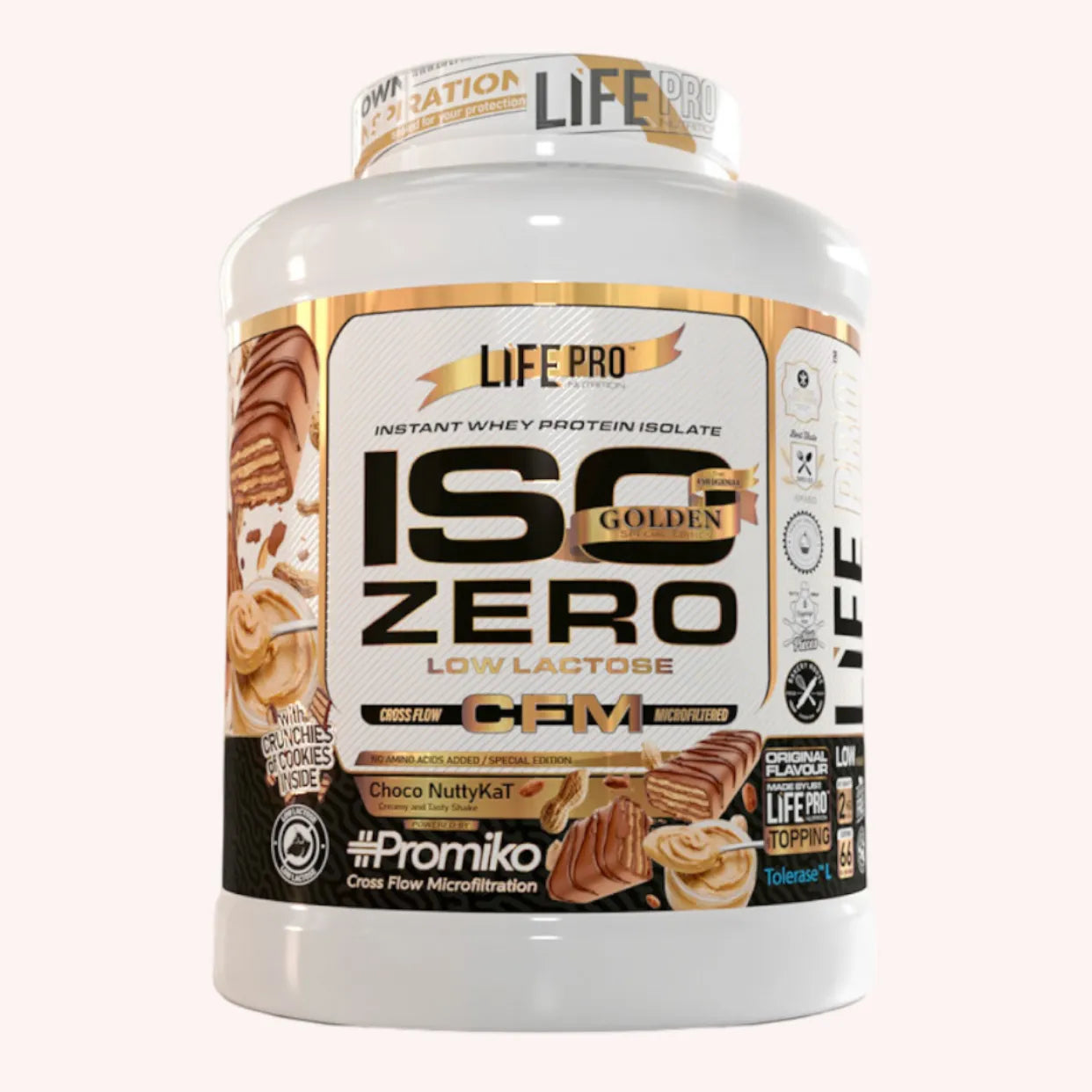
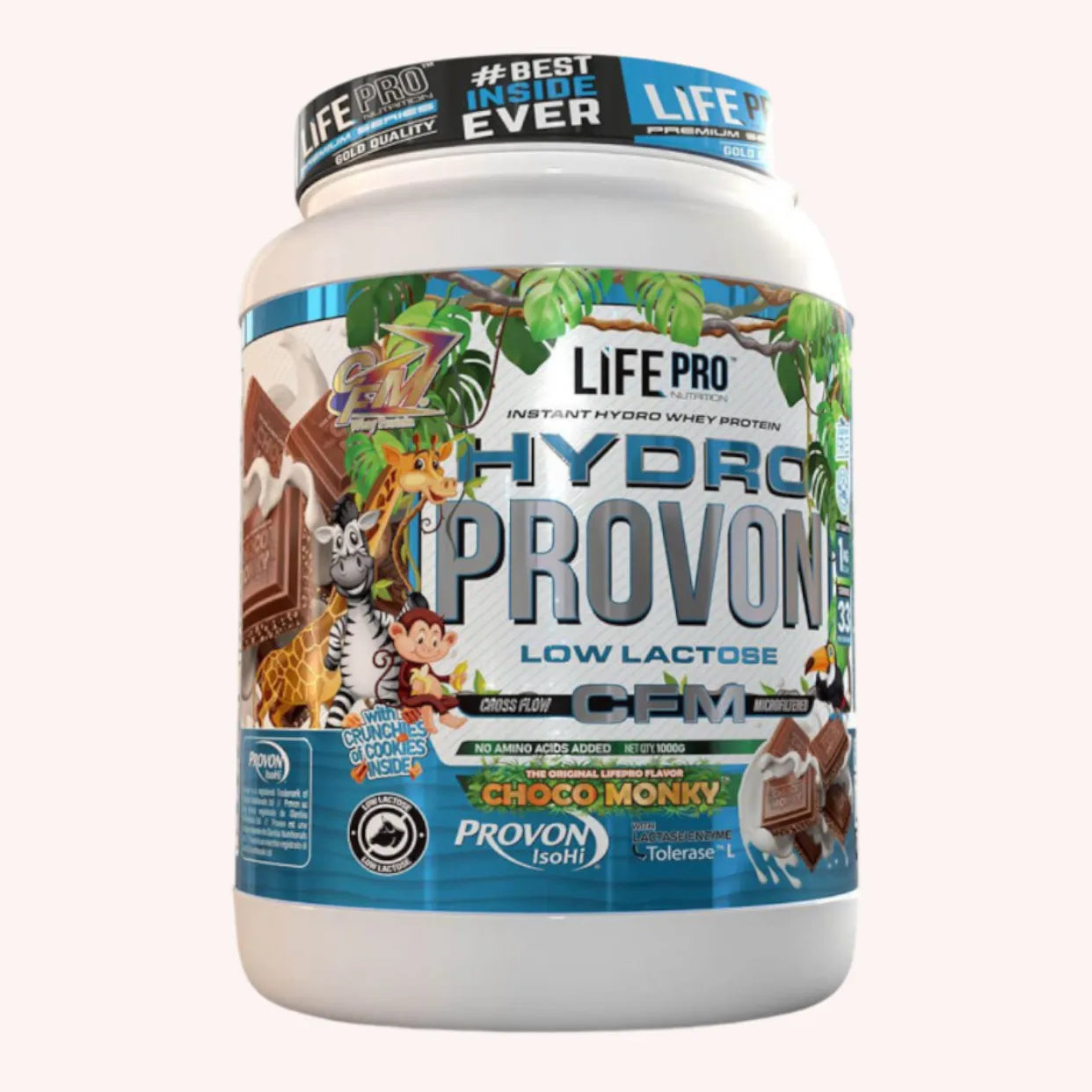
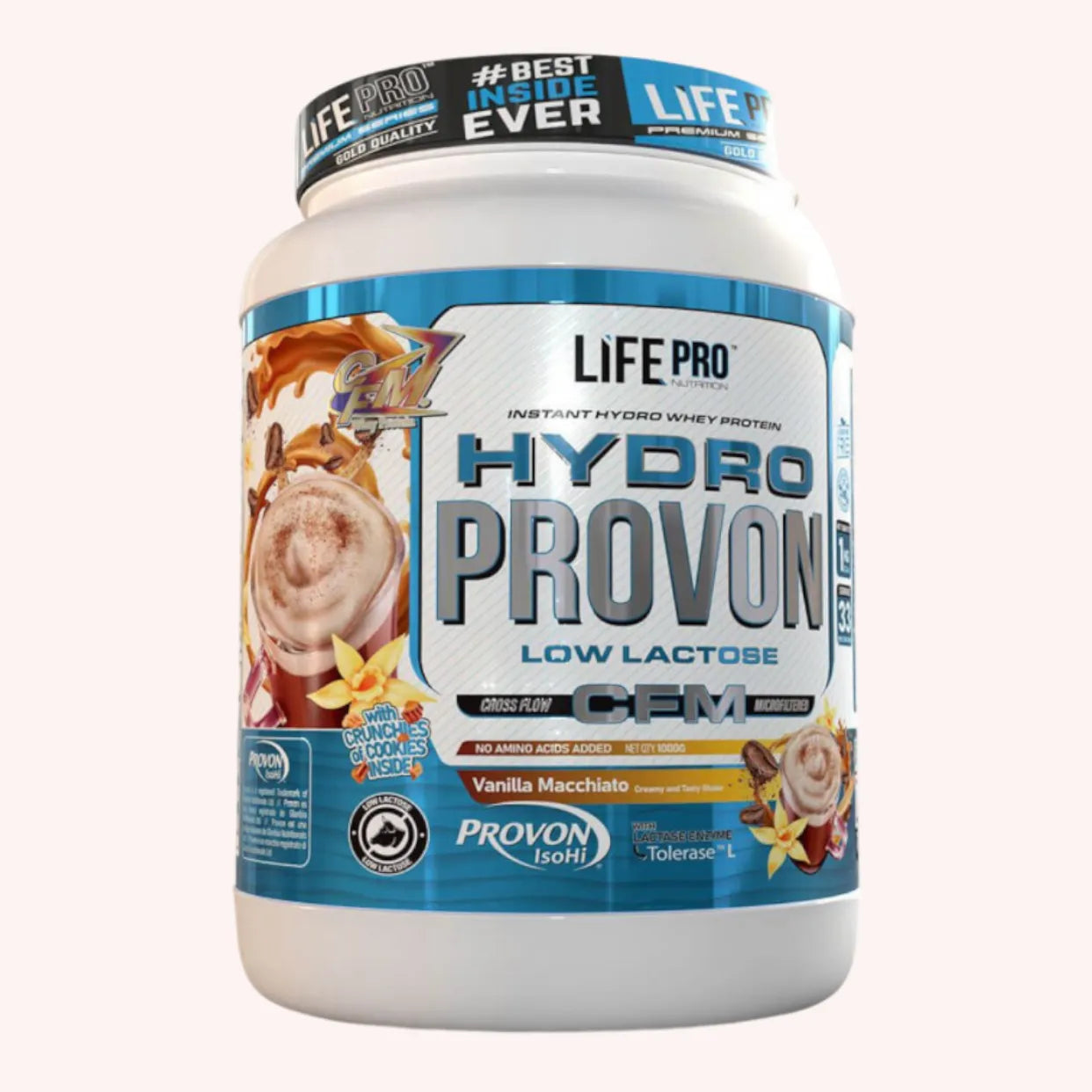
5 Idée de recette whey : délicieuse et rapide à préparer
1. Recette pancake protéiné whey
Ingrédients (2 portions)
- 1 scoop (25 g) de whey vanille
- 1 banane mûre écrasée
- 1 œuf ou substitut vegan
- 30 g de flocons d’avoine
- 1 cuillère à soupe de lait ou boisson végétale
Préparation
- Mélanger la banane écrasée, l’œuf et le lait.
- Incorporer la whey et les flocons d’avoine jusqu’à obtenir une pâte lisse.
- Cuire à feu moyen 2 à 3 minutes de chaque côté.
Conseils
- Ajoutez un fruit rouge pour la douceur.
- Texture moelleuse et satisfaisante en collation pré‑entraînement.
2. Recette barre protéinée whey
Ingrédients (pour 6 barres)
- 2 scoops de whey chocolat
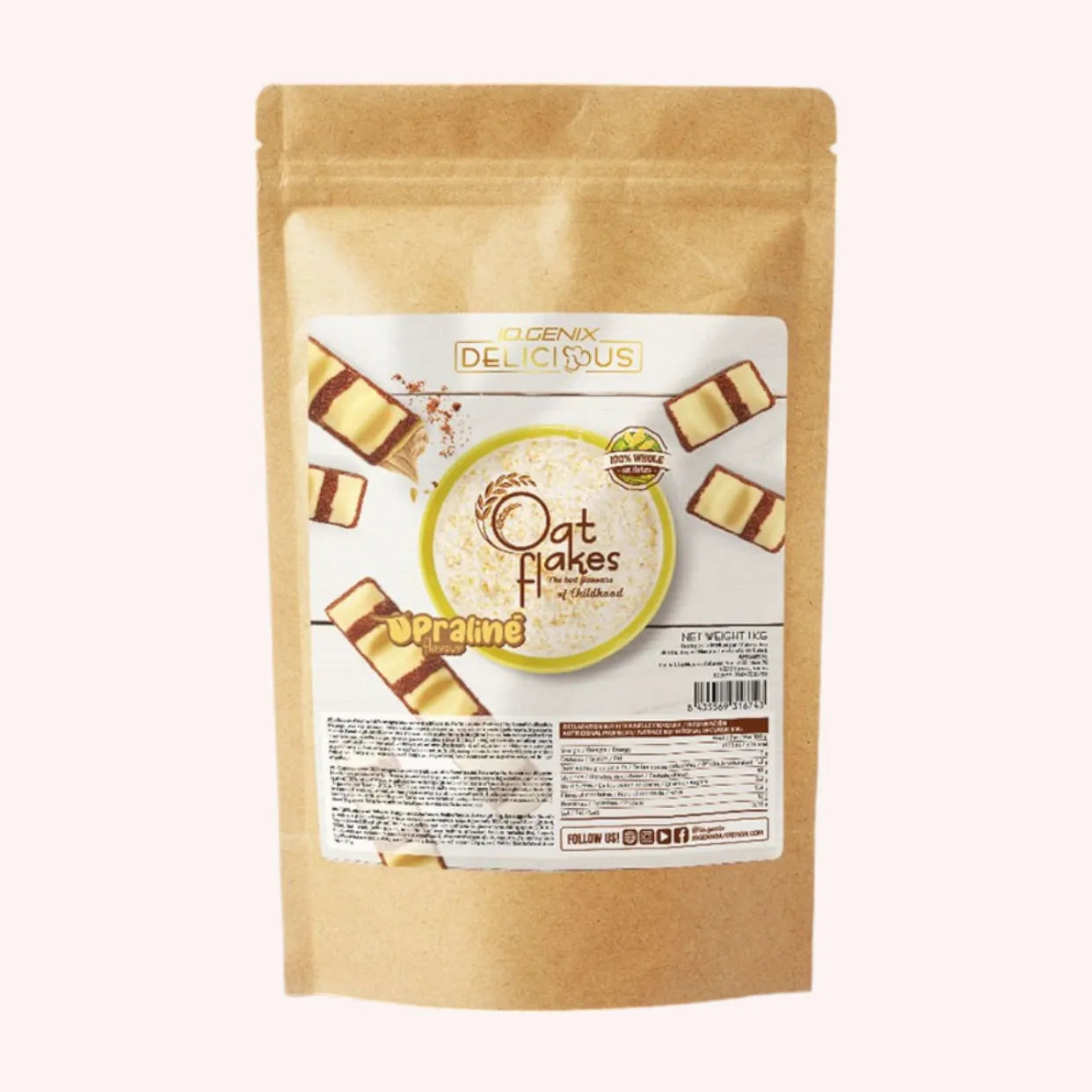
- 100 g de flocons d’avoine
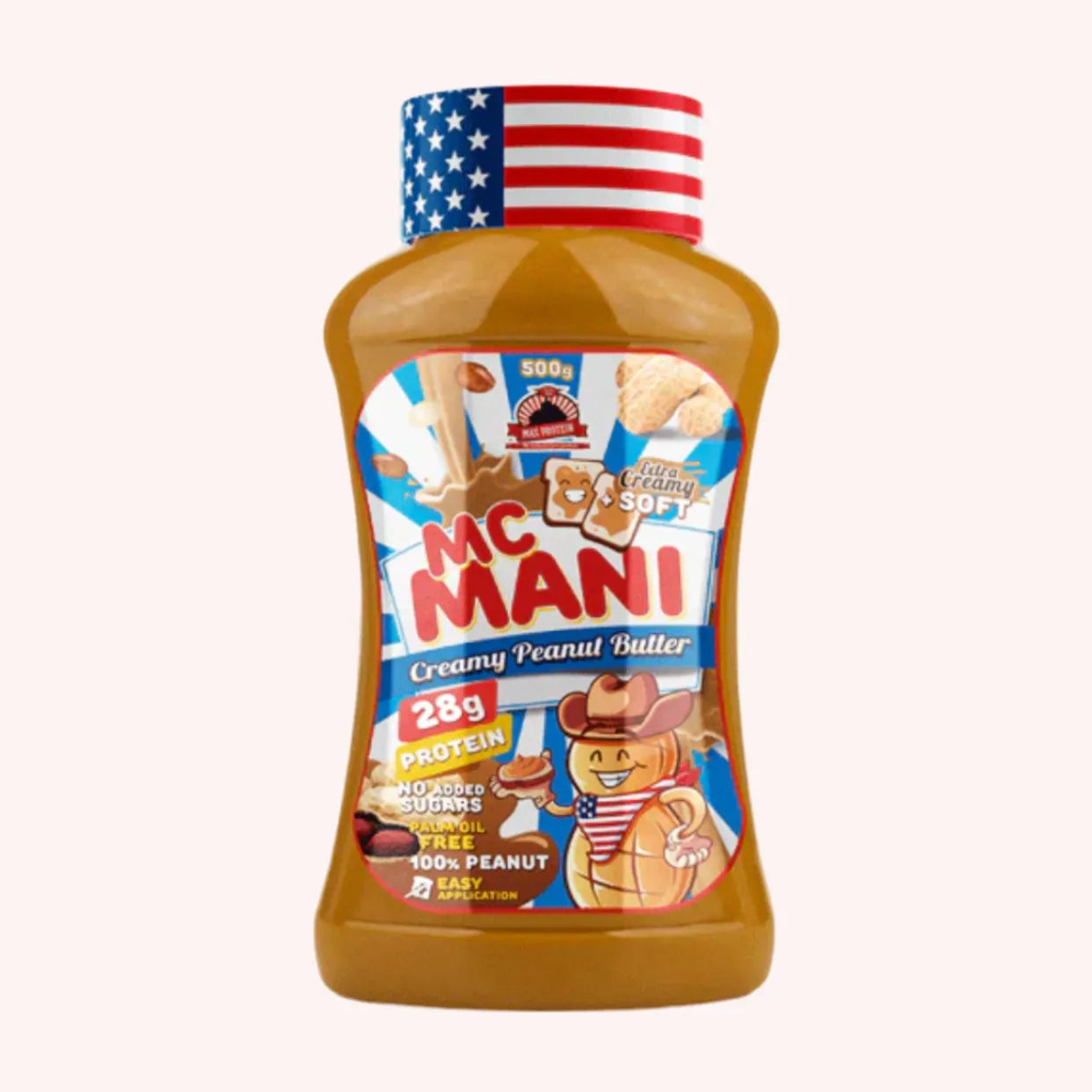
- 2 cuillères à soupe de beurre de cacahuète 100%
- 1 cuillère à soupe de miel ou sirop d’agave
- Optionnel : fruits secs ou pépites de chocolat noir
Préparation
- Mélanger tous les ingrédients dans un bol jusqu’à obtenir une pâte homogène.
- Presser dans un moule, réfrigérer 1 h, puis découper.
Idéal pour : Un snack post‑entraînement ou à emporter.
3. Smoothie protéiné express
Ingrédients (1 portion)
- 1 scoop de whey isolate ou clear whey
- 200 ml de lait ou boisson végétale
- 1 poignée de fruits (fruits rouges, banane, myrtilles)
- Optionnel : 1 petite cuillère de beurre d’amande ou farine d’avoine
Préparation
- Mixer tous les ingrédients 30 s.
- Déguster immédiatement.
Idéal pour : Après une séance intense.
4. Bowl cake à la whey (micro‑ondes, 3 minutes)
Ingrédients
- 1 scoop de whey isolate (saveur aux choix)
- 1 banane mûre
- 1 œuf
- 20 g de flocons d’avoine
- Optionnel : fruits rouges
Préparation
- Écraser la banane dans un mug, ajouter œuf, flocons et whey.
- Cuire 2 min à puissance maximale, laisser reposer 1 min.
Idéal pour : Un petit‑déjeuner rapide et protéiné.
5. Brownie protéiné original (haricots rouges & whey)
Ingrédients
- 1 boîte de haricots rouges (égouttés)
- 2 scoops de whey chocolat
- 2 cuillères à soupe de cacao non sucré
- 1 œuf ou substitut
- Optionnel : 1 cuillère de miel ou dattes mixées
Préparation
- Mixer tous les ingrédients jusqu’à obtenir une pâte homogène.
- Verser dans un moule et cuire 15 min à 180 °C.
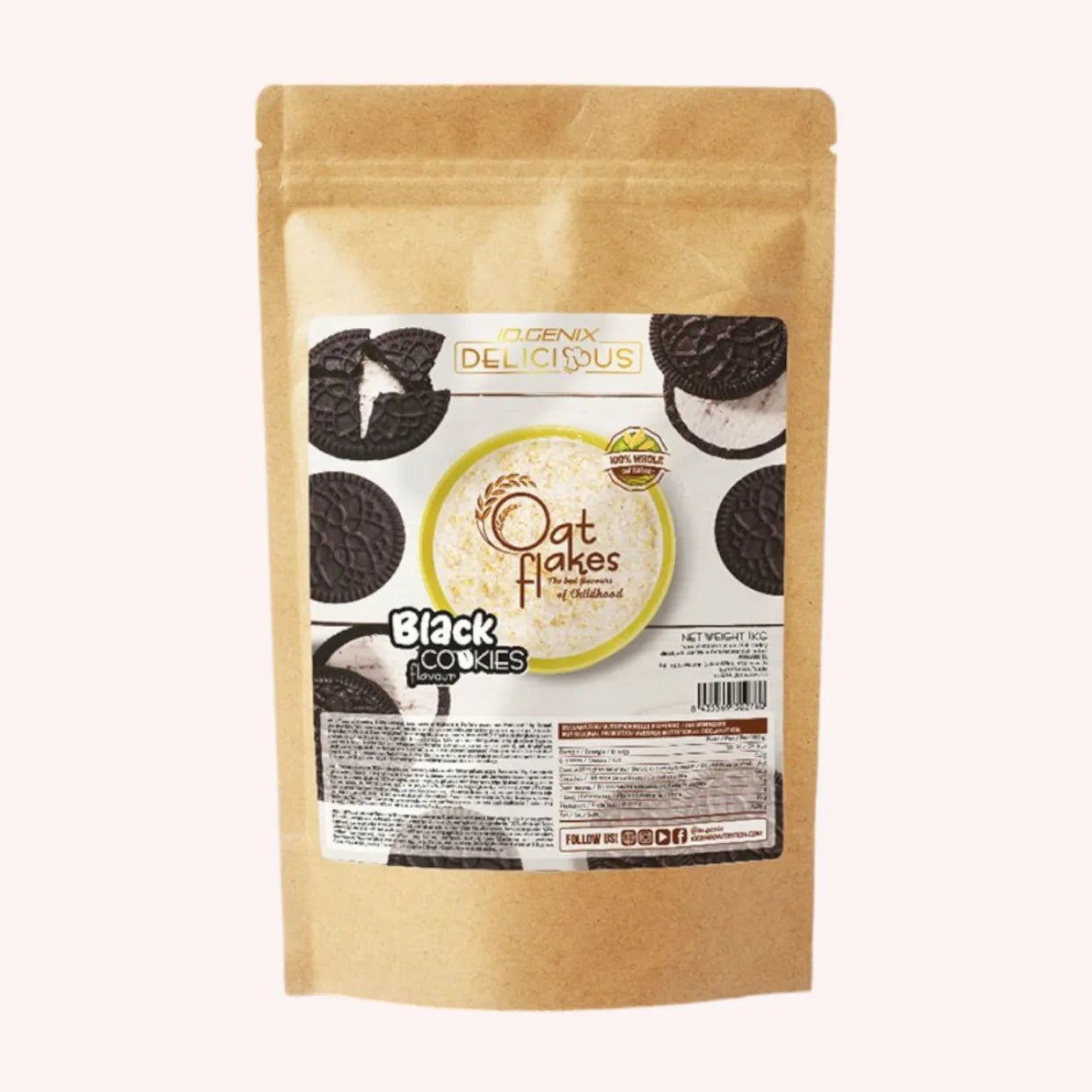
Bien choisir les parfums
Le parfum de la whey joue un rôle central dans la réussite d’une recette. Au-delà de l’aspect nutritionnel, le goût et l’arôme influencent directement le plaisir gustatif, l’harmonie des saveur du plat. Un parfum mal choisi peut déséquilibrer une préparation, tandis qu’un arôme bien pensé peut transformer une recette simple en collation gourmande et équilibrée.
Voici comment choisir le parfum de whey le plus adapté selon vos recettes, vos préférences et vos objectifs.
1. Whey vanille : la plus polyvalente
C’est sans doute le parfum le plus utilisé en cuisine protéinée. La whey vanille a l’avantage d’être douce, subtile et facile à marier avec une grande variété d’ingrédients.
Elle s’intègre parfaitement dans :
- Les smoothies avec fruits rouges ou banane.
- Les pancakes avec compote ou flocons d’avoine.
- Les bowl cakes à base de fruits.
- Les barres protéinées aux noix ou à la cannelle.
2. Whey chocolat : pour les recettes gourmandes
La whey chocolat est idéale pour les recettes riches, réconfortantes et plus intenses en goût. C’est le choix parfait pour ceux qui cherchent une alternative saine à une collation chocolatée classique.
Elle se prête très bien à :
- Un brownie protéiné maison.
- Des barres chocolat-cacahuète ou chocolat-banane.
- Un smoothie onctueux post-entraînement.
- Un bowl cake fondant au cœur coulant (avec carré de chocolat noir).
3. Clear whey au goût fruité : à utiliser avec précaution
Ces parfums plus fruités peuvent être intéressants, mais sont parfois très difficiles à marier avec d'autres ingrédients. Ils fonctionnent mieux dans les smoothies froids, mélangés avec des fruits frais ou du yaourt.
Exemples d’utilisation :
- Smoothie.
- Bowl cake léger aux fruits rouges.
- Mousse protéinée froide à base de yaourt grec et whey.
À éviter : Dans les recettes cuites longues (gâteau au four, barres protéinées chaudes), où les arômes peuvent s’altérer.
Recette whey : en résumé
La whey peut être utilisée efficacement en cuisine pour créer des recettes riches en protéines et adaptées à une alimentation sportive ou équilibrée. Elle conserve ses qualités nutritionnelles à la cuisson, bien que sa texture puisse être affectée si elle est chauffée à trop haute température.
Le choix du type de whey dépend des objectifs : la whey concentrée est gourmande et polyvalente, la whey isolate plus pure, tandis que la whey hydrolysée reste réservée à un usage plus technique. Le parfum joue également un rôle essentiel. La vanille et le chocolat sont les plus faciles à intégrer, tandis que les saveurs fruitées demandent plus d’attention selon la recette.
Cuisiner avec de la whey permet de varier les apports protéiques, à condition de rester attentif à la qualité des ingrédients et à ses propres besoins.