


Le porridge, recette simple et nourrissante, s'est imposé comme un incontournable des petits-déjeuners sains ou collations saines, notamment pour les sportifs.
Ce plat à base de flocons d'avoine offre une multitude de bienfaits nutritionnels, adaptés aux besoins énergétiques et de récupération des athlètes. Dans cet article, nous explorerons les avantages du porridge, des recettes adaptées à différents objectifs sportifs, et des conseils pour l'intégrer efficacement dans votre alimentation.
Qu'est-ce que le porridge ?
Le porridge est une préparation culinaire à base de flocons d'avoine cuits dans un liquide, tel que de l'eau, du lait ou une boisson végétale. Il constitue une source riche en glucides complexes, en fibres et en protéines végétales, faisant de lui un choix idéal pour un repas équilibré. L'avoine, ingrédient principal du porridge, est reconnue pour ses bienfaits sur la santé, notamment sa capacité à réguler le taux de sucre sanguin et à améliorer la digestion.
Pourquoi intégrer le porridge dans une alimentation sportive ?
Pour la prise de masse
Le porridge est une excellente source de glucides complexes, fournissant une énergie durable essentielle lors des entraînements intensifs. Sa richesse en fibres contribue également à une sensation de satiété prolongée, aidant ainsi à contrôler l'appétit et à maintenir un apport calorique adapté à la prise de masse musculaire.
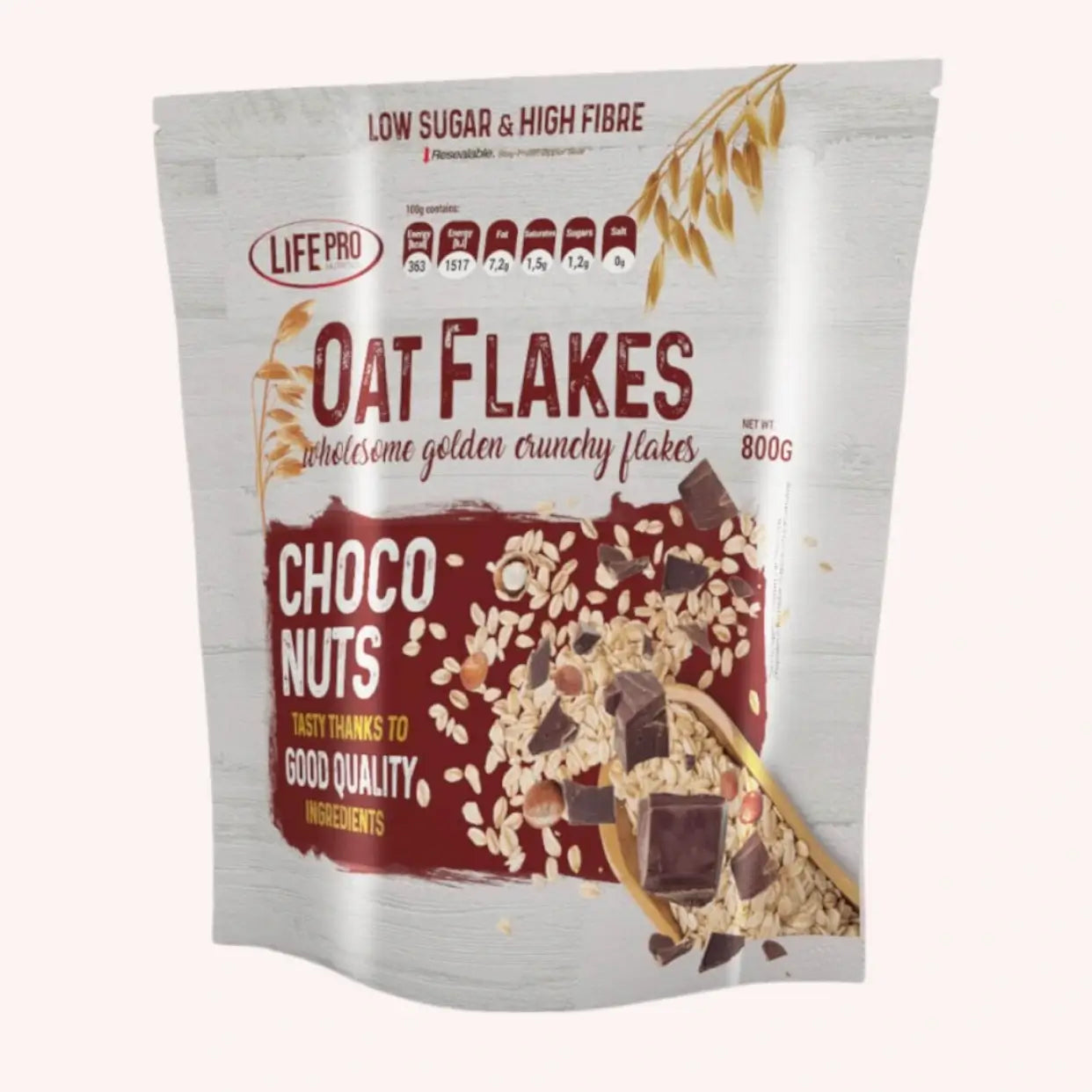
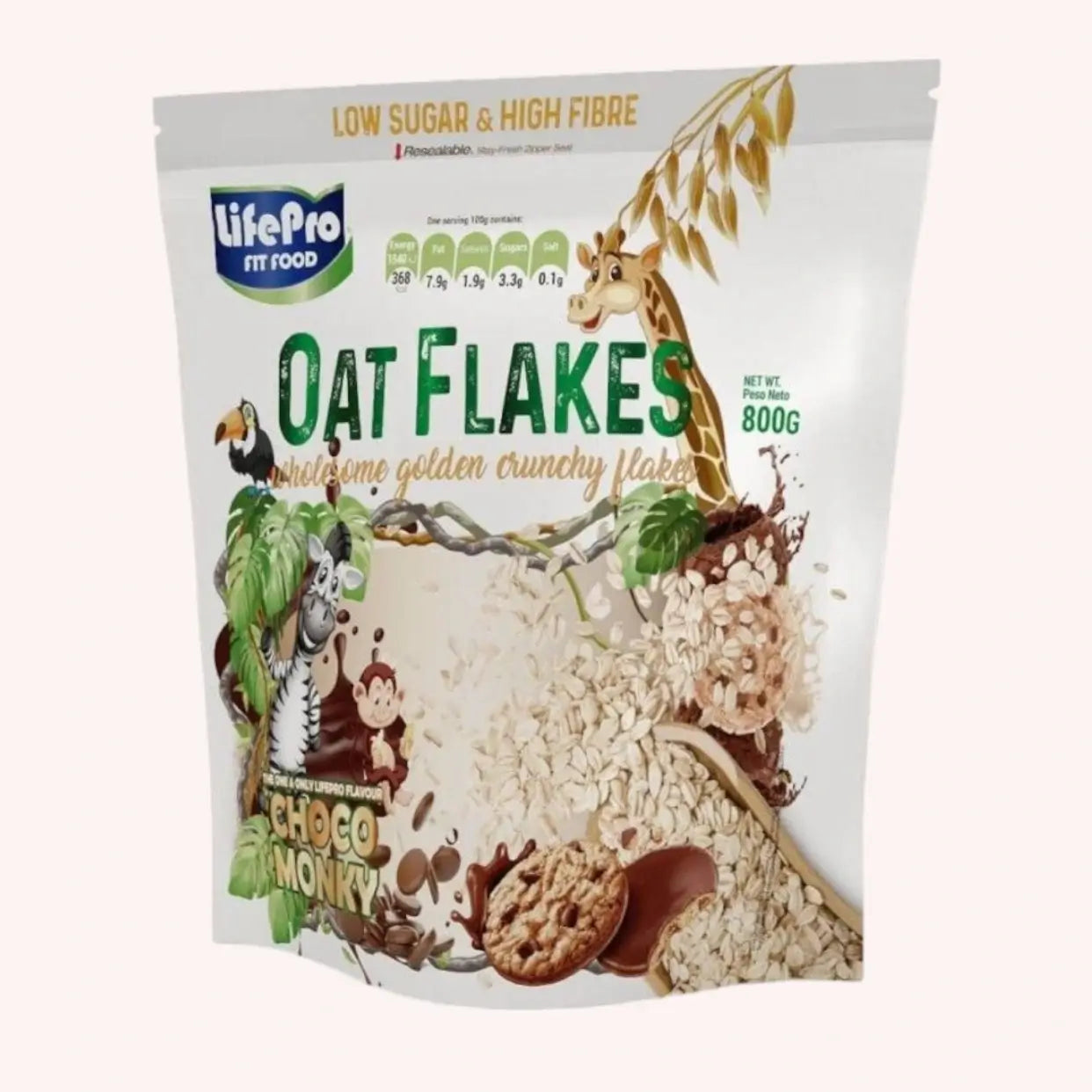
Pour la sèche ou la perte de poids
Lors d'une phase de sèche ou de perte de poids, le porridge s'avère être un choix judicieux. Sa faible densité calorique combinée à sa capacité à prolonger la satiété en fait un aliment idéal pour réduire l'apport calorique global sans ressentir la faim.
Porridge protéiné : Optimiser la récupération musculaire
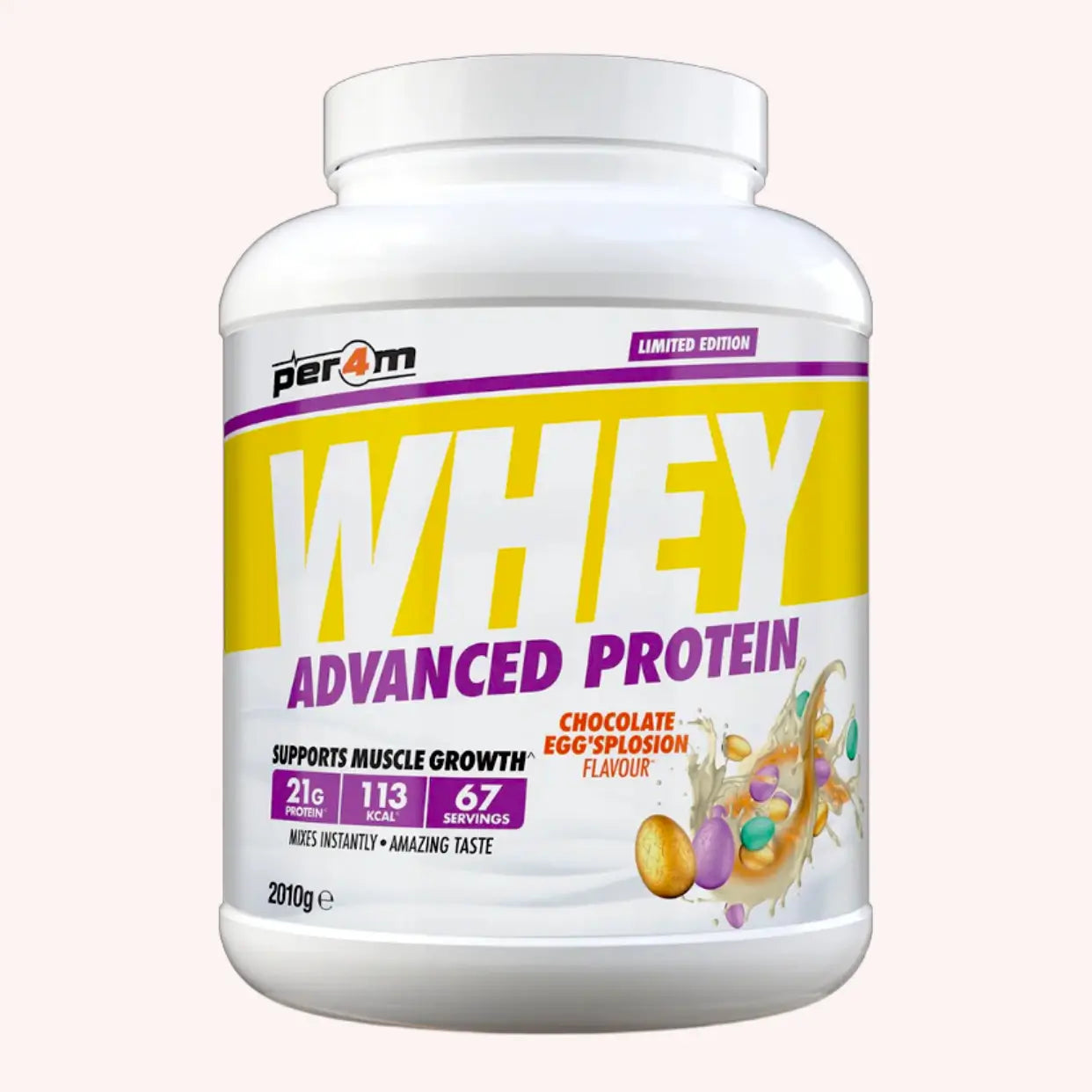
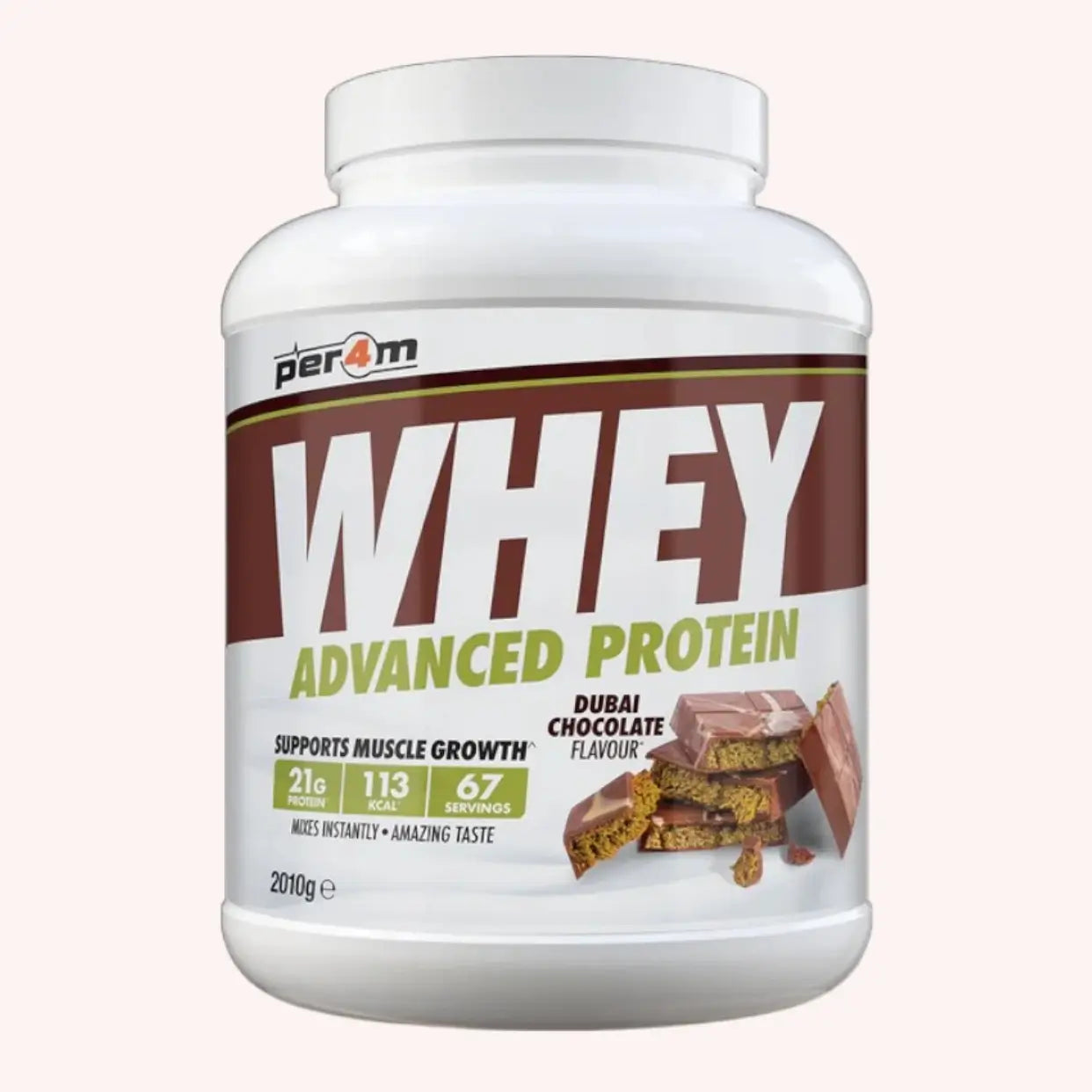
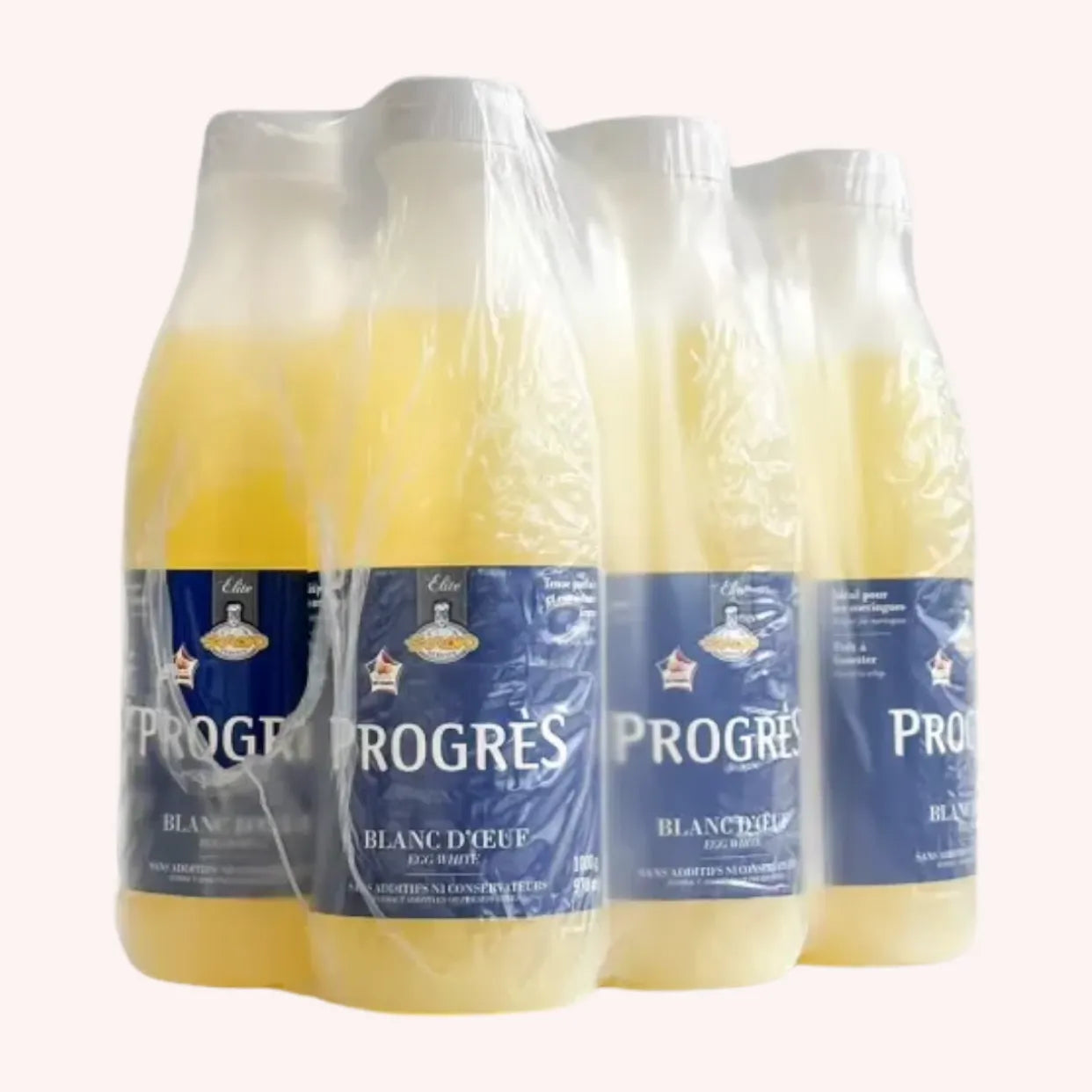
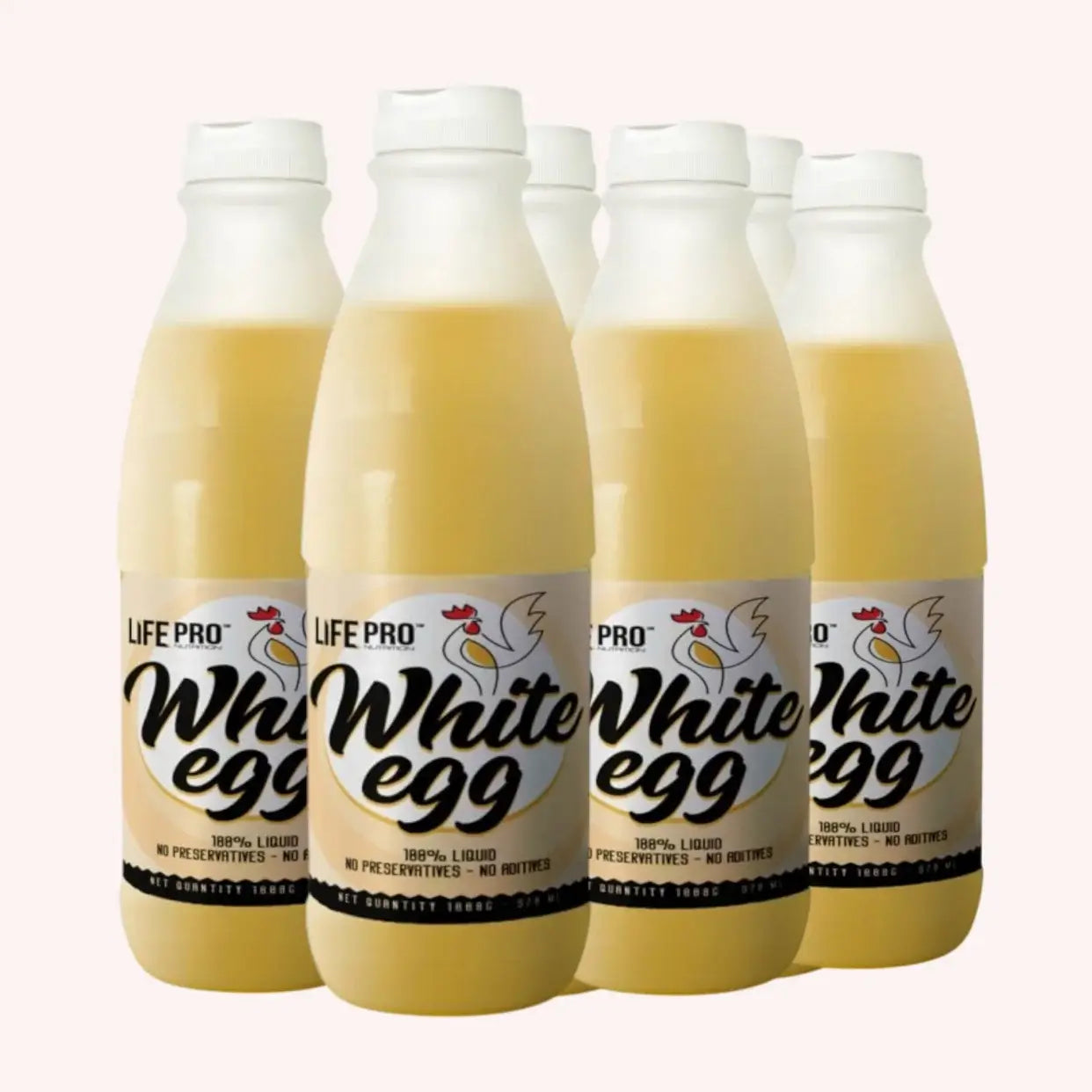
Enrichir le porridge avec des protéines, telles que de la protéine en poudre (whey, whey isolate), du yaourt nature ou des blancs d'œufs, permet d'augmenter l'apport en acides aminés essentiels. Cela favorise la réparation et la croissance musculaire après l'effort, optimisant ainsi la récupération post-entraînement.
Recettes de porridge adaptées aux objectifs sportifs
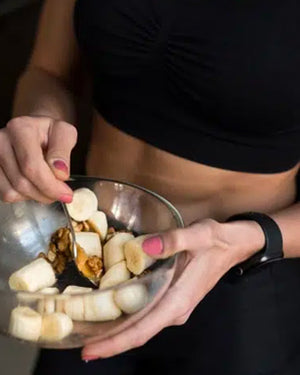
Porridge classique protéiné : Spécial prise de masse
Ce porridge riche et complet est idéal pour une phase de prise de masse. Il fournit des glucides complexes, des protéines complètes et de bons lipides pour favoriser la construction musculaire tout en maintenant un apport calorique conséquent.
Ingrédients (pour 1 portion) :
- 60 g de flocons d’avoine
- 250 ml de lait entier (ou lait végétale)
- 1 scoop de 30 g de protéines en poudre (vanille ou chocolat)
- 1 banane bien mûre, tranchée
- 1 cuillère à soupe de beurre de cacahuète
- Cannelle ou arôme de vanille (optionnel)
Préparation :
- Dans une casserole, porter le lait à frémissement.
- Ajouter les flocons d’avoine et laisser cuire à feu doux pendant 4 à 5 minutes, en remuant régulièrement jusqu’à ce que le mélange épaississe.
- Hors du feu, incorporer la poudre de protéines et bien mélanger jusqu’à dissolution complète.
- Verser dans un bol, puis ajouter les rondelles de banane et le beurre de cacahuète par-dessus.
- Saupoudrer de cannelle ou d’un filet de vanille pour relever les saveurs.
Astuce : Pour augmenter encore la densité calorique, vous pouvez ajouter des raisins secs, des graines de courge ou un filet de miel.
Porridge minceur : Idéal pour la sèche ou la perte de poids
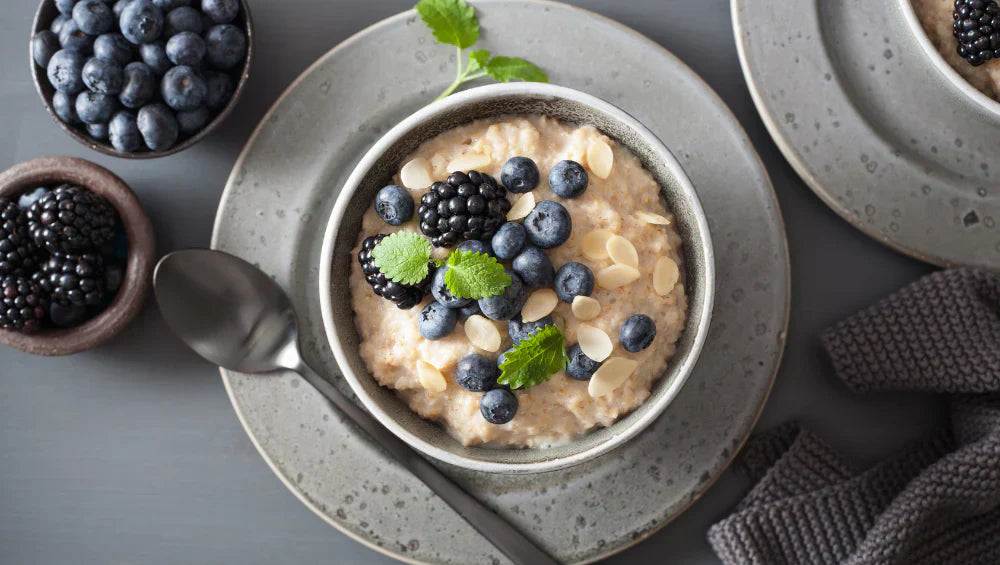
Ce porridge léger, riche en fibres et peu calorique, est parfait pour les personnes en phase de sèche. Grâce à l’action combinée de l’avoine et des graines de chia, il favorise la satiété sans alourdir l’apport énergétique.
Ingrédients (pour 1 portion) :
- 40 g de flocons d’avoine
- 200 ml de lait d’amande non sucré (ou de l’eau )
- 100 g de fruits rouges (frais ou surgelés)
- 1 cuillère à café de graines de chia
- Quelques gouttes d’arôme de vanille (facultatif)
Préparation :
- Dans une petite casserole, faire chauffer le lait d’amande.
- Ajouter les flocons d’avoine et cuire à feu doux pendant 4 minutes.
- Incorporer les fruits rouges (encore surgelés si besoin) et laisser mijoter 2 minutes de plus.
- Hors du feu, ajouter les graines de chia, mélanger, puis laisser reposer 5 minutes pour que les graines gonflent et épaississent le mélange.
- Rectifier le goût avec un peu d’arôme.
Astuce : Préparer ce porridge la veille et laissez-le reposer au frais toute la nuit pour un effet “overnight oats” encore plus rassasiant.
Porridge gourmand au chocolat : Pour allier plaisir et nutrition
Envie d’un porridge réconfortant, sans culpabilité ? Cette version gourmande au chocolat est équilibrée et riche en bons nutriments, parfaite pour les sportifs qui veulent se faire plaisir tout en nourrissant leur corps efficacement.
Ingrédients (pour 1 portion) :
- 50 g de flocons d’avoine
- 200 ml de lait de coco allégé
- 1 cuillère à soupe de cacao en poudre non sucré
- 10 g de pépites de chocolat noir (min. 70 %)
- 10 g de noix de pécan concassées
- 1 cuillère à café de sirop d’érable (optionnel)
Préparation :
- Faire chauffer le lait de coco dans une casserole.
- Ajouter les flocons d’avoine et le cacao en poudre, bien mélanger.
- Cuire pendant 5 à 6 minutes en remuant pour éviter que le cacao ne fasse des grumeaux.
- Verser dans un bol, puis ajouter les pépites de chocolat et les noix de pécan. Laisser fondre légèrement le chocolat.
- Ajouter un filet de sirop d’érable pour un goût plus sucré si besoin.
Astuce : Pour une version plus protéinée, vous pouvez incorporer 1 scoop de whey chocolat après cuisson (diluer au préalable dans un peu d’eau pour éviter les grumeaux).
Comment personnaliser son porridge selon ses besoins ?
L’un des plus grands avantages du porridge, c’est sa flexibilité. Il peut être facilement ajusté en fonction de vos objectifs nutritionnels : prise de masse, sèche, récupération ou simple petit-déjeuner sain. Voici comment le moduler intelligemment.
Varier les toppings et les ingrédients selon vos objectifs
Vous pouvez transformer un simple bol de flocons d’avoine en un repas ultra-nutritif en sélectionnant les bons ingrédients. Voici quelques suggestions ciblées :
- Pour un apport en oméga-3 et en fibres solubles : Ajouter une cuillère à soupe de graines de lin moulues ou de graines de chia. Ces super-aliments favorisent la satiété, soutiennent la digestion et contribuent à la santé cardiovasculaire.
- Pour un coup de boost énergétique : Intégrer des fruits secs comme les dattes, les raisins secs ou les abricots. Riches en glucides naturels et en minéraux, ils sont parfaits avant un entraînement ou pour récupérer rapidement.
- Pour une texture croquante et un effet rassasiant : Parsemer votre bol de noix de pécan, amandes, noisettes ou graines de courge. Ces sources de bons lipides ajoutent aussi une dimension gourmande à votre porridge.
-
Pour augmenter l’apport en vitamines et antioxydants, utiliser des fruits frais de saison :
- Ananas (anti-inflammatoire naturel)
- Pomme râpée (riche en fibres solubles)
- Fruits rouges (fort pouvoir antioxydant, parfait pour les sportifs)
- Pour enrichir votre porridge en protéines : Ajouter du yaourt grec, du skyr, ou encore un scoop de whey ou de protéines végétales (après cuisson, pour préserver les acides aminés).
- Pour sucrer naturellement sans sucre raffiné : Utiliser de la banane écrasée, un peu de compote sans sucre ajouté, ou parfumer avec de la cannelle, de la vanille, voire du cacao non sucré.
Adapter le porridge au moment de la journée
Le porridge n’est pas réservé au petit-déjeuner : il peut devenir votre allié à tout moment, à condition de bien choisir quand et comment le consommer.
Le matin : pour un départ énergétique et complet
- En version complète (glucides, protéines, lipides), il vous donne l’énergie nécessaire pour affronter votre journée.
- Idéal si vous avez un entraînement en fin de matinée ou une longue période sans collation.
Avant l'entraînement : pour préparer l’effort
- Préparer un porridge léger : flocons d’avoine, lait végétal, un fruit.
- Consommez-le environ 1 à 1h30 avant la séance pour éviter les lourdeurs.
- Optez pour un apport majoritairement glucidique, avec une petite portion de protéines pour prévenir la fatigue musculaire.
Après l'entraînement : pour optimiser la récupération
- C’est à ce moment que votre corps a besoin d’un apport en protéines et glucides.
- Enrichissez votre porridge avec une protéine de qualité (whey, yaourt, œufs), des fruits antioxydants, et un peu de lipides bons pour la récupération (amandes, graines…).
Conseil pratique : Vous pouvez aussi préparer votre porridge à l’avance en version overnight oats ; laissez tremper vos flocons d’avoine dans une boisson végétale ou un yaourt au réfrigérateur pendant la nuit. Il suffira d’ajouter les toppings le matin. C’est une excellente solution pour les matins pressés ou pour emporter.
Conclusion :
Le porridge est bien plus qu'un simple petit-déjeuner. Il constitue un repas complet, adaptable et bénéfique pour les sportifs, quel que soit leur objectif.
En l'intégrant judicieusement dans votre alimentation, vous pouvez optimiser vos performances, soutenir votre récupération et atteindre vos objectifs nutritionnels de manière saine et savoureuse.
Sources :
- Hu, Y., Ding, M., Sampson, L., Willett, W. C., Manson, J. E., Wang, M., Rosner, B., Hu, F. B., & Sun, Q. (2020). Intake of whole grain foods and risk of type 2 diabetes: results from three prospective cohort studies. BMJ, 370, m2206. DOI : https://www.bmj.com/content/370/bmj.m2206
- Rasane, P., Jha, A., Sabikhi, L., Kumar, A., & Unnikrishnan, V. S. (2013). Nutritional advantages of oats and opportunities for its processing as value added foods - a review. Journal of Food Science and Technology. DOI : https://link.springer.com/article/10.1007/s13197-013-1072-1