




Le défi des 30 jours sans sucre séduit de plus en plus de personnes qui souhaitent changer leurs habitudes alimentaires tout en contrôlant leur poids. L’idée n’est pas seulement de supprimer le sucre, mais de repenser la manière dont on choisit et prépare ses repas au quotidien. Pendant un mois, ce type de programme incite à remplacer les aliments riches en sucre ajouté par des alternatives simples, savoureuses et faciles à intégrer dans une routine quotidienne.
Cet article vous accompagne pas à pas dans ce défi en vous proposant des conseils pratiques, des stratégies pour maintenir votre objectif et des idées pour structurer vos repas afin que le mois sans sucre se déroule de façon agréable et durable.

Sommaire
Objectifs : 30 jours sans sucre pour la perte de poids
Perdre du poids ne se résume pas uniquement à compter les calories. C’est aussi une question de métabolisme, de choix alimentaires et de relation avec la nourriture. Aujourd’hui, de nombreuses personnes consomment du sucre de manière excessive, parfois sans même s’en rendre compte, au point de développer une véritable dépendance (1).
Le défi des 30 jours sans sucre s’inscrit justement dans cette problématique. Il consiste à réduire, voire éliminer, les sucres ajoutés présents dans notre alimentation quotidienne : boissons sucrées, pâtisseries industrielles ou encore snacks transformés.
L’objectif est simple : diminuer les calories dites « vides », mais aussi reprendre le contrôle de ses habitudes alimentaires. Ce challenge est donc une excellente occasion de se détacher progressivement du sucre, tout en adoptant une hygiène de vie plus équilibrée.
Le rôle du métabolisme et de l’activité physique
Le simple fait de supprimer le sucre ne garantit pas une perte de poids significative si le reste de l’alimentation n’est pas équilibré et si l’activité physique est insuffisante. L’efficacité du défi repose sur :
- Une alimentation équilibrée, riche en protéines, glucides, fibres, bons gras et micronutriments.
- Une activité physique régulière, incluant du cardio et de la musculation, pour augmenter la dépense énergétique et préserver la masse musculaire, essentielle au métabolisme de base.
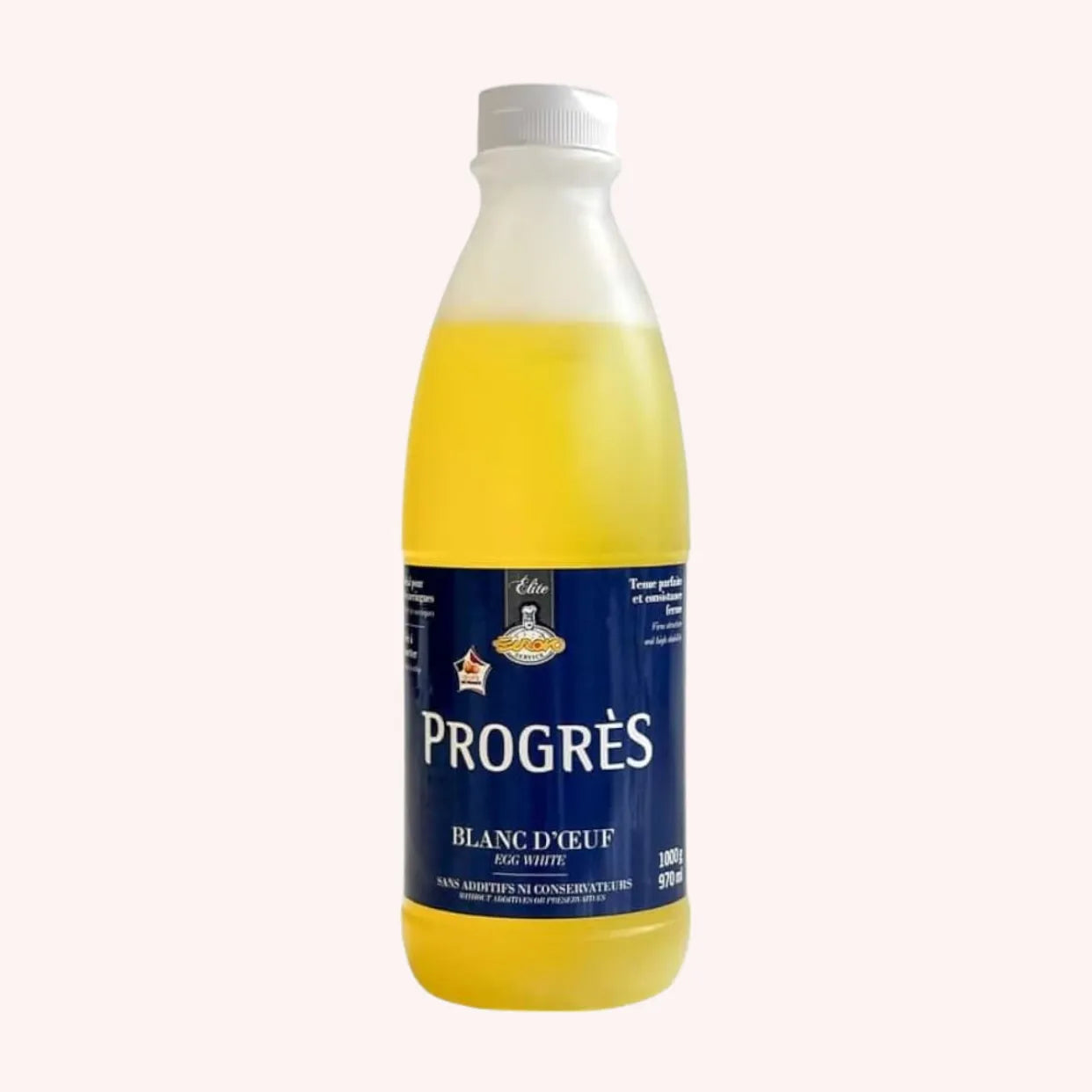
Bottled egg white - Liot
Sale price6,21€
Regular price6,90€
Pourquoi réduire le sucre peut aider à perdre du poids ?
Le rôle métabolique du sucre
Le sucre, notamment sous forme de sucres ajoutés, n’est pas seulement une source de plaisir gustatif : il fournit une énergie rapide que le corps utilise facilement.
Lorsqu’on consomme plus d’énergie que ce que le corps brûle, l’excédent est stocké sous forme de graisse.
La réduction de la consommation de sucre peut donc entraîner une réduction de l’apport calorique total, ce qui est un élément fondamental d’une stratégie de perte de poids.
3 facteurs clés liés à la consommation de sucre
- Calories vides.
- Déséquilibre hormonal : L’ingestion régulière de grandes quantités de sucre peut perturber l’insuline.
- Effets sur la satiété.
Plan nutritionnel pour réussir 30 jours sans sucre
1. Éliminer les sucres ajoutés, pas les sucres naturels
La première étape consiste à enlever les sucres ajoutés (dans les boissons sucrées, pâtisseries industrielles, sauces transformées) et laisser les sucres présents naturellement dans les fruits, légumes ou produits laitiers. Les secondes s’accompagnent de fibres, de vitamines et de minéraux utiles.
- Limiter les sodas, jus industriels, desserts sucrés et produits transformés.
- Remplacer par de l’eau, du thé non sucré, ou des alternatives comme les fruits entiers.
2. Menu type pour une journée sans sucres ajoutés
Voici un exemple concret pour structurer ses repas :
Petit-déjeuner
- Omelette aux blanc d’oeuf, légumes et avocat
- Fruits frais (fruits rouges…)
- Thé ou café sans sucre
Déjeuner
- Poulet grillé ou tofu
- Salade riche en fibres (roquette, épinards, légumes croquants)
- Quinoa ou riz complet
Goûter
- Noix ou beurre oléagineux et yaourt nature
- Une portion de fruit frais
Dîner
- Poisson ou légumineuses
- Légumes vapeur
- Patate douce
Ce type d’alimentation vise à réduire les apports caloriques tout en maintenant un bon équilibre pour l’organisme.


Whey 80 professional - Io genix
Sale price73,71€
Regular price81,90€
Sport et cardio : optimiser la perte de poids
La perte de poids est maximale lorsqu’une alimentation équilibrée est combinée à une activité physique régulière.
Pourquoi intégrer le sport ?
L’activité physique, en particulier le cardio et la musculation, permet :
- D’augmenter la dépense énergétique globale.
- De maintenir ou augmenter la masse musculaire, ce qui favorise un métabolisme plus élevé au repos.
- D’améliorer l’homéostasie hormonale, notamment l’insuline et le cortisol.
Une stratégie efficace inclut :
- 2 à 5 séances par semaine incluant cardio (course, vélo) et entraînement en résistance.
- Des séances HIIT cardio 1 à 2 fois par semaine pour booster le métabolisme.
La synergie entre une alimentation avec moins de sucre et une activité physique régulière aide à créer un déficit calorique durable, fondamental pour perdre du poids.
30 jours sans sucre : Conseils pratiques
Lecture des étiquettes
Les sucres ajoutés se cachent souvent sous des noms variés, ce qui rend leur identification difficile. En plus du sirop de glucose, du fructose ou du maltose, on trouve parfois du sucre inverti, du dextrose ou du saccharose dans les produits industriels. Pour éviter les pièges :
- Prenez l’habitude de vérifier la liste des ingrédients à chaque achat.
- Concentrez-vous sur la première moitié de la liste, où sont indiqués les composants les plus présents.
- Privilégiez les produits simples avec peu d’ingrédients et sans noms compliqués.
Cette habitude permet de repérer rapidement les produits contenant du sucre caché et de faire des choix plus conscients au quotidien.
Remplacer intelligemment
Réduire le sucre ne signifie pas renoncer au plaisir de manger. Il s’agit plutôt de trouver des alternatives qui donnent du goût sans sucre ajouté :
- Épices et arômes naturels : La cannelle, la vanille ou le cacao non sucré peuvent transformer un yaourt nature ou un smoothie en dessert gourmand.
- Fruits : Les fruits frais ou secs permettent d’apporter une douceur naturelle. Une banane écrasée dans des flocons d’avoine ou quelques dattes dans un dessert peuvent suffire à remplacer le sucre.
- Textures et associations : Mélanger le croquant et le fondant dans vos préparations (noix et compote, graines et yaourt) donne une sensation de gourmandise sans avoir recours aux produits sucrés.
L’idée est de rendre vos repas agréables et variés, afin que la démarche reste simple à suivre sur 30 jours.
Suivi et ajustement
Pour que le défi des 30 jours soit efficace, il est essentiel de garder un œil sur vos choix alimentaires et de rester flexible :
- Journal alimentaire : Notez vos repas, collations et boissons. Cela aide à identifier les moments où le sucre est le plus présent et où il est facile de remplacer ou limiter les sources sucrées.
- Applications de suivi : Des applications simples permettent de visualiser vos habitudes, de suivre vos progrès et de détecter les écarts.
- Ajustements progressifs : Si vous vous rendez compte qu’un aliment particulier vous manque ou que vous avez du mal à tenir sans sucre, cherchez une alternative plutôt que d’abandonner le défi. Le but est d’adopter une approche durable et agréable.
En combinant vigilance, créativité dans les substitutions et suivi régulier, ces conseils pratiques vous aideront à traverser vos 30 jours sans sucre de manière simple et structurée, sans frustration.
30 jours sans sucre, pour la perte de poids : En résumé
Se lancer dans un défi de 30 jours sans sucre, c’est avant tout s’engager à revoir ses habitudes alimentaires et à porter une attention particulière aux choix que l’on fait au quotidien. Il s’agit de prendre conscience de la quantité de sucre ajouté présente dans les produits que l’on consomme et de chercher des alternatives simples pour garder le plaisir de manger sans y recourir.
Le succès de ce type de défi repose sur la régularité et la cohérence, plutôt que sur des restrictions strictes ponctuelles. Il est important de rester flexible et d’adapter son alimentation en fonction de ses envies et de son rythme, tout en privilégiant des préparations maison et des aliments peu transformés. Suivre ses repas, réfléchir à ses habitudes et introduire progressivement des substitutions naturelles comme les fruits ou les épices permet de maintenir ses objectifs pendant un mois entier.
Enfin, il ne s’agit pas seulement de se priver, mais de redécouvrir le goût des aliments et d’apprendre à composer des repas variés et satisfaisants, pour que l’expérience soit agréable et durable sur le long terme.

