


Perdre du gras tout en conservant ses muscles est un objectif recherché par de nombreuses personnes pratiquant la musculation ou le fitness. Pourtant, réussir une sèche ne se résume pas à réduire l’alimentation ou à multiplier les séances de cardio. Il s’agit d’adopter une approche globale qui combine nutrition adaptée, entraînement structuré et récupération optimale, afin de maximiser les résultats sans compromettre la force ou la masse musculaire.
Dans cet article, nous allons expliquer étape par étape comment faire une sèche, en détaillant les stratégies pour gérer l’alimentation, planifier l’entraînement et préparer le corps à cet effort. Vous découvrirez comment intégrer les bonnes pratiques de musculation et de cardio, tout en respectant les besoins de récupération et de sommeil, afin de mener une sèche efficace et durable.
Que vous soyez débutant ou pratiquant expérimenté, ce guide complet vous fournira les clés pour atteindre vos objectifs de manière progressive, tout en maintenant l’énergie et la performance nécessaires à chaque séance.

Qu’est‑ce qu’une sèche ?
Dans le contexte de la musculation, une sèche se définit comme une phase de restriction énergétique contrôlée visant à réduire la graisse corporelle tout en maintenant autant que possible la structure musculaire acquise. Ce processus ne supprime pas totalement les réserves énergétiques du corps, mais les pousse à puiser dans les graisses stockées pour subvenir aux besoins énergétiques quotidiens tout en continuant l’effort physique.
Plutôt que de se focaliser sur une diminution drastique du poids sur la balance, l’attention se porte sur la composition corporelle : baisser le pourcentage de graisse tout en conservant la masse maigre.
Déficit calorique : le moteur de la perte de graisse
La base de toute sèche est le déficit calorique, c’est‑à‑dire consommer moins de calories que ce que l’organisme dépense.
Un déficit trop agressif peut entraîner une perte de masse maigre significative, car le corps risque de cataboliser les protéines musculaires pour produire de l’énergie. Une perte progressive de 0,3 à 0,7 kg par semaine est souvent considérée comme idéale pour préserver le muscle.
Pourquoi préserver la masse musculaire est-il crucial ?
La masse musculaire joue un rôle métabolique central : elle contribue à la dépense énergétique au repos, à la stabilité fonctionnelle, au métabolisme du glucose et à la longévité. Une perte excessive de muscle peut ralentir le métabolisme basal, diminuer l’énergie et compromettre les performances physiques.


La nutrition : Une sèche efficace
Pour réussir une sèche, il ne s’agit pas seulement de réduire la masse grasse. Il est essentiel de fournir au corps les bons éléments pour soutenir les entraînements, la récupération et l’énergie quotidienne. Chaque catégorie d’aliment apporte des avantages spécifiques et contribue à l’efficacité globale de la phase de sèche.
Les protéines
Les protéines sont essentielles pour préserver et développer la masse musculaire. Elles apportent les acides aminés nécessaires aux protéines. Les principales sources incluent :
- Viandes maigres : poulet, dinde, bœuf maigre
- Poissons et fruits de mer
- Œufs
- Légumineuses : lentilles, pois chiches, haricots
- Produits laitiers riches en protéines : yaourt grec, fromage blanc
- Complément alimentaire : protéine en poudre (isolate, hydrorazan, clear)
Les glucides
Les glucides sont indispensables aux sportifs et à l'organisme, notamment pour les séances de musculation et le cardio. Les sources recommandées sont :
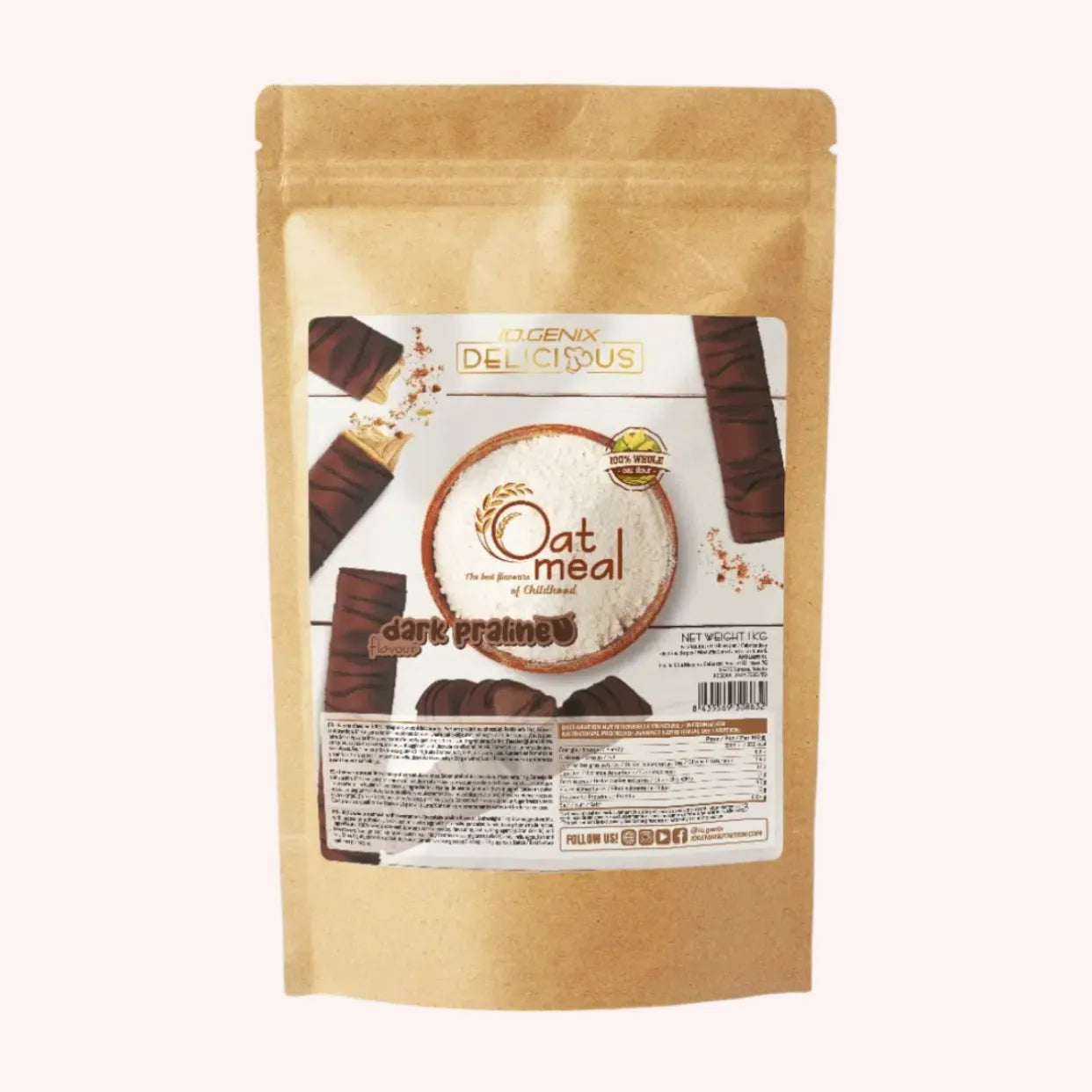
- Céréales complètes : riz complet, quinoa, flocons d’avoine
- Tubercules : farine de patates douces, pommes de terre
- Légumes féculents : maïs, pois
- Fruits : bananes, baies, pommes
Les lipides
Les lipides sont aussi un macronutriment indispensable à l’organisme, pour ses nombreux bienfaits. Les sources de lipides de qualité sont :
- Huiles végétales : huile olive, colza, noix
- Avocats
- Noix et graines : amandes, noix de cajou, graines de chia, beurre de cacahuète
- Poissons gras : saumon, maquereau, sardines
L’hydratation
L’eau est indispensable à l’organisme. Les conseils pratiques incluent :
- Boire régulièrement tout au long de la journée
- Augmenter l’apport en eau avant, pendant et après l’entraînement
- Consommer des boissons riches en électrolytes si les séances sont intenses ou prolongées
Les micronutriments
Vitamines et minéraux ont de nombreux bienfaits sur l’organisme. Les moyens simples d’en intégrer suffisamment sont :
- Consommer une variété de légumes colorés et fruits frais
- Intégrer des produits complets : céréales, légumineuses
- Ajouter des graines et noix pour compléter les apports en minéraux
- Ajouter une supplémentation en vitamine et minéraux



Type d’entraînement lors d’une sèche
Pour réussir une sèche, l’entraînement joue un rôle central. Il ne s’agit pas seulement de brûler des calories, mais de préserver la masse musculaire tout en optimisant la perte de graisse. Une combinaison de musculation, de cardio, et une planification adaptée est la clé.
Musculation : maintenir l’intensité et le muscle
Même en phase de déficit calorique, la musculation doit rester intense et régulière pour protéger les muscles :
- Fréquence : 3 à 5 séances par semaine
- Objectif : travailler tous les groupes musculaires avec des charges suffisantes pour stimuler les muscles
- Méthodes : privilégier les exercices polyarticulaires (squat, développé couché, tractions, soulevé de terre) pour solliciter plusieurs muscles à la fois
- Volume et intensité : conserver la force et la tension musculaire, même si le nombre de séries peut être légèrement réduit
Cardio : brûler les graisses efficacement
Le cardio aide à augmenter la dépense énergétique sans compromettre le muscle si bien planifié :
- Cardio modéré : 2 à 3 séances par semaine, 30 à 45 minutes, pour une combustion régulière des graisses
- Cardio intense / HIIT : 1 à 2 séances courtes (15 à 20 minutes) peuvent être intégrées pour stimuler le métabolisme et la dépense calorique
- Timing : le cardio peut être réalisé avant ou après la musculation selon les préférences et la récupération
Comment planifier son entraînement ?
Une bonne planification combine musculation et cardio tout en respectant la récupération :
- Alterner les groupes musculaires pour éviter le surmenage
- Prévoir des jours de repos pour permettre au corps de récupérer
- Suivre ses performances pour ajuster les charges et l’intensité
- Adapter le programme selon la progression : augmenter légèrement les charges ou la durée du cardio si la perte de graisse stagne
Exemple de programme de sèche
Voici un exemple pratique de programme combinant musculation et cardio, conçu pour une sèche musculation :
Jour 1 : Haut du corps - cardio modéré
- Développé couché : 4x10 répétitions
- Tractions ou tirage horizontal : 4x8-10
- Élévations latérales : 3x12
- Curl biceps : 3x12
- Cardio modéré : 30 minutes
Jour 2 : Bas du corps - HIIT
- Squat : 4x8-10
- Fentes : 3x12 par jambe
- Soulevé de terre jambes tendues : 4x10
- Mollets : 3x15
- HIIT : 15 minutes (sprints ou vélo intense)
Jour 3 : Repos actif ou cardio léger
- Marche rapide, vélo léger ou étirements : 30-45 minutes
Jour 4 : Haut du corps - cardio modéré
- Développé militaire : 4x10
- Rowing barre : 4x8-10
- Dips : 3x12
- Élévations frontales : 3x12
- Cardio modéré : 30 minutes
Jour 5 : Bas du corps - HIIT
- Presse à cuisses : 4x10
- Fentes bulgares : 3x12 par jambe
- Leg curl : 3x12
- Gainage / abdos : 3x1 minute
- HIIT : 15 minutes
Jour 6 : Repos complet
Jour 7 : Cardio léger ou repos actif
Cette structure permet de combiner la perte de graisse grâce au cardio et la préservation musculaire grâce à la musculation, tout en laissant suffisamment de temps pour la récupération.
Suivi des progrès et ajustements
Mesures objectives
Plutôt que de se focaliser uniquement sur la balance, il est crucial de suivre :
- le pourcentage de masse grasse ;
- la circonférence des bras, taille et cuisses ;
- des photos comparatives régulières ;
- les performances à l’entraînement.
Ces mesures offrent une vision plus précise de la progression dans le cadre de la sèche.
Ajuster le déficit calorique
Si la perte de poids est trop rapide ou si les performances déclinent, il peut être nécessaire d’ajuster le déficit calorique. Une réduction trop importante des calories peut provoquer une baisse de l’énergie, ralentir le métabolisme et augmenter le risque de perte musculaire.
Préparer le corps : Récupération et sommeil
Une sèche ne repose pas uniquement sur la nutrition et l’entraînement. La récupération et le sommeil sont des éléments essentiels pour que le corps puisse fonctionner de manière optimale, préserver la masse musculaire et maintenir l’énergie nécessaire aux séances de musculation et de cardio.
L’importance du sommeil
Le sommeil est une phase où le corps se régénère et se prépare pour les efforts du lendemain. Pendant une sèche :
- Favoriser un sommeil régulier : essayer de se coucher et de se lever à heures fixes chaque jour
- Viser 7 à 9 heures de sommeil par nuit pour permettre au corps de récupérer et aux muscles de se reconstruire
- Créer un environnement propice au sommeil : chambre sombre, température agréable et calme
- Limiter les écrans et la lumière bleue avant le coucher pour favoriser un endormissement rapide et profond
La récupération : maximiser les bénéfices de l’entraînement
La récupération permet au corps de reconstruire les fibres musculaires sollicitées et de réduire la fatigue accumulée pendant l’effort. Les stratégies clés comprennent :
- Jours de repos programmés : intégrer 1 à 2 jours de repos complet ou actif par semaine pour éviter le surmenage
- Récupération active : marches, vélo léger, étirements ou yoga pour maintenir la mobilité sans surcharger le corps
- Étirements et massages : aider à relâcher les tensions musculaires et favoriser la circulation sanguine
- Écoute du corps : ajuster l’intensité ou la charge d’entraînement si la fatigue est trop importante
En combinant un sommeil de qualité et des stratégies de récupération adaptées, le corps est mieux préparé pour soutenir les efforts physiques et maximiser les résultats de la sèche, tout en réduisant le risque de fatigue et de perte musculaire.
Comment faire une sèche ? : En résumé
Pour réussir une sèche, il faut combiner nutrition, entraînement et récupération. Une alimentation équilibrée apporte aux muscles les protéines nécessaires, aux séances d’entraînement l’énergie des glucides et à l’organisme les lipides, tout en maintenant une hydratation et des micronutriments suffisants.
L’entraînement doit rester intense et structuré : la musculation protège la masse musculaire tandis que le cardio augmente la dépense énergétique. La planification des séances et le respect des jours de repos assurent des progrès durables.
Enfin, un sommeil suffisant et une récupération adaptée permettent au corps de se régénérer et de rester performant. En réunissant ces éléments, il est possible de perdre du gras efficacement tout en préservant le muscle.