

Aujourd’hui, réduire sa consommation de sucre est devenu un véritable défi pour de nombreuses personnes. Dans ce contexte, le gâteau sans sucre apparaît comme une alternative savoureuse et saine, idéale pour profiter d’un dessert gourmand sans culpabilité.
En utilisant des ingrédients naturels et nutritifs comme la farine de patate douce, la farine d’avoine ou les beurres d’oléagineux, il est possible de créer des recettes aussi délicieuses que simples à préparer.
Cet article vous propose des idées simples et accessibles pour réaliser des gâteaux sans sucre qui séduiront autant les gourmands que les sportifs.
Sommaire
Pourquoi opter pour un gâteau sans sucre ?
Qu’est-ce que le sucre raffiné et pourquoi le limiter ?
Le sucre raffiné désigne un sucre qui a été extrait de matières premières naturelles, comme la betterave sucrière ou la canne à sucre, puis transformé industriellement pour en retirer tous les composants non sucrés. Le résultat de ce processus est un produit pur, principalement du saccharose, dépourvu de fibres, de vitamines et de minéraux.
Ce type de sucre est souvent utilisé dans les produits transformés en raison de son goût sucré, de sa stabilité et de son pouvoir sucrant élevé. Cependant, il est absorbé très rapidement par l’organisme, ce qui entraîne une élévation brutale de la glycémie (taux de sucre dans le sang). En réponse à cette hausse, le pancréas libère de l’insuline, une hormone qui permet aux cellules d’absorber le glucose. Lorsqu’il est consommé en excès et de manière répétée, le sucre raffiné peut provoquer :
- des pics d’insuline répétés, suivis de chutes d’énergie et de fringales,
- une augmentation du stockage des graisses,
- ainsi que des problèmes bucco-dentaires.
Intérêt des gâteaux sans sucre pour les personnes actives ou sportives
Un gâteau sans sucre raffiné, s’il est composé d’ingrédients de qualité, constitue une alternative équilibrée pour les personnes souhaitant maintenir un bon niveau d’énergie tout en respectant leurs objectifs nutritionnels.
Les recettes sans sucre, peuvent intégrer des éléments stratégiques (à index glycémique modéré ou bas), pouvant présenter plusieurs avantages :
- La farine d’avoine et la farine de patate douce sont des sources de glucides complexes, qui ont de nombreux bienfaits.
- Les beurres oléagineux (amandes, noix de cajou, cacahuètes...) apportent des acides gras insaturés bénéfiques, des protéines végétales et des micronutriments essentiels.
Ce type d’ingrédient peut ainsi s’intégrer dans un programme alimentaire, utile aussi bien pour les collations pré-entraînement que pour le petit-déjeuner ou la récupération après l’effort.
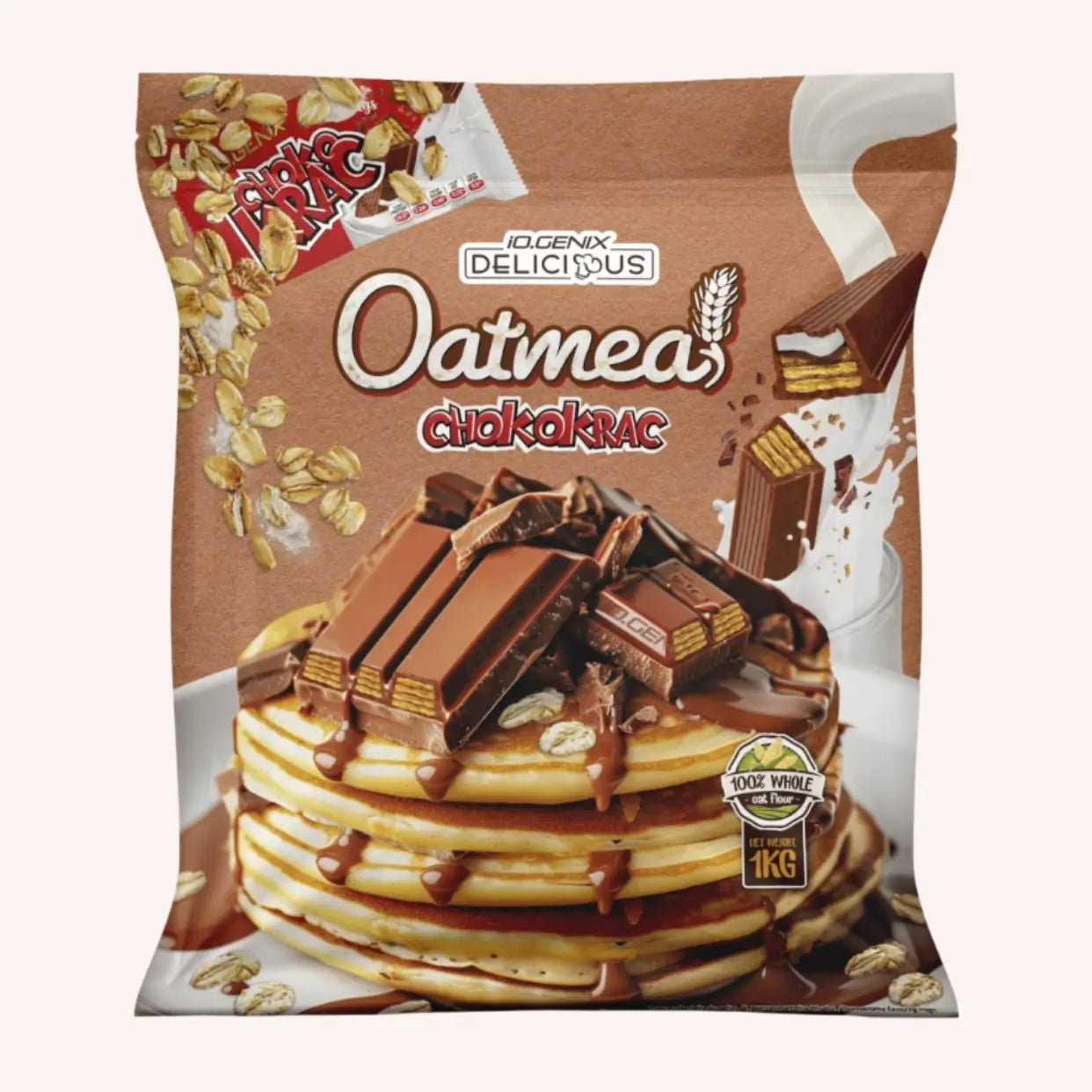
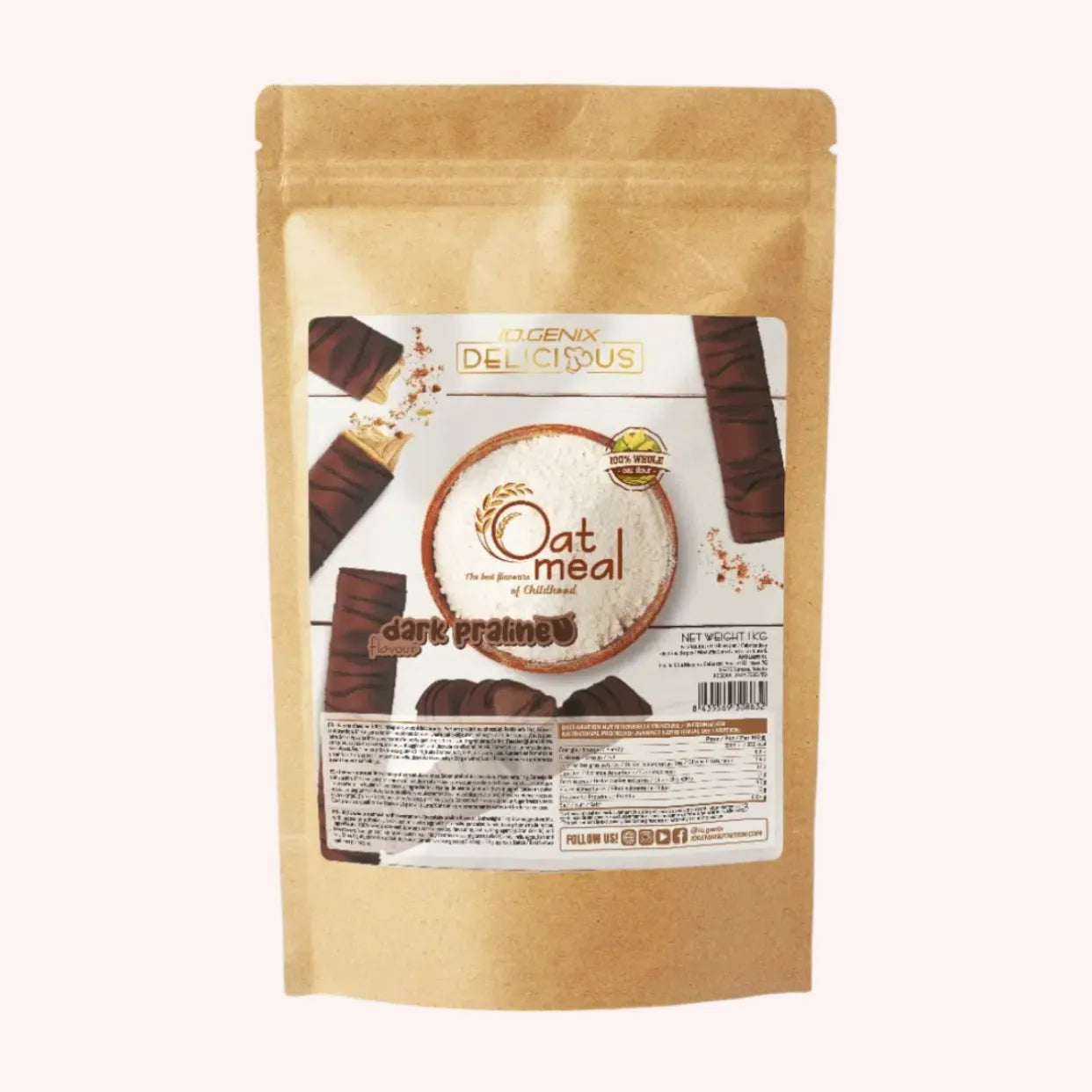
Flavored Oatmeal - Io Genix
Sale price7,90€
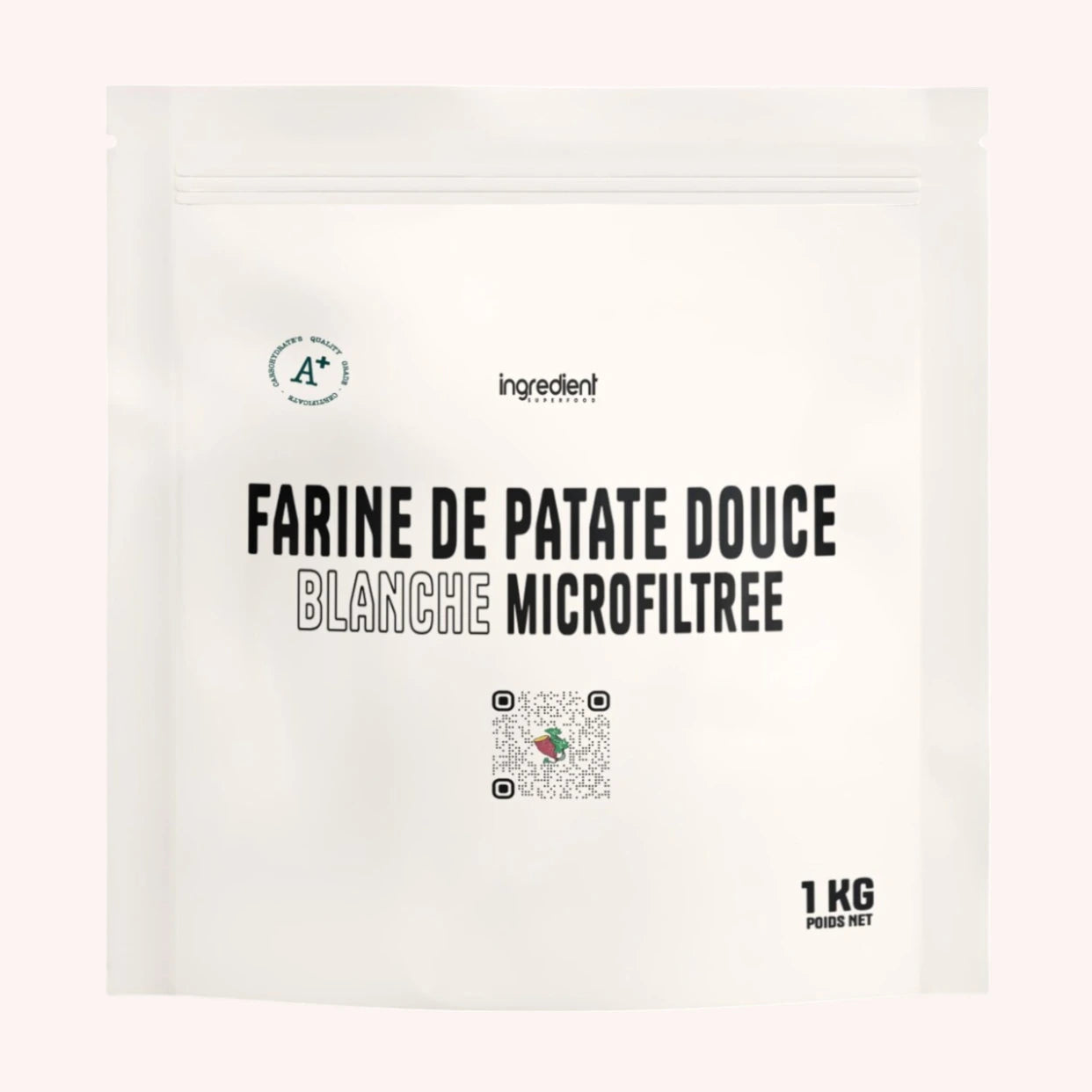
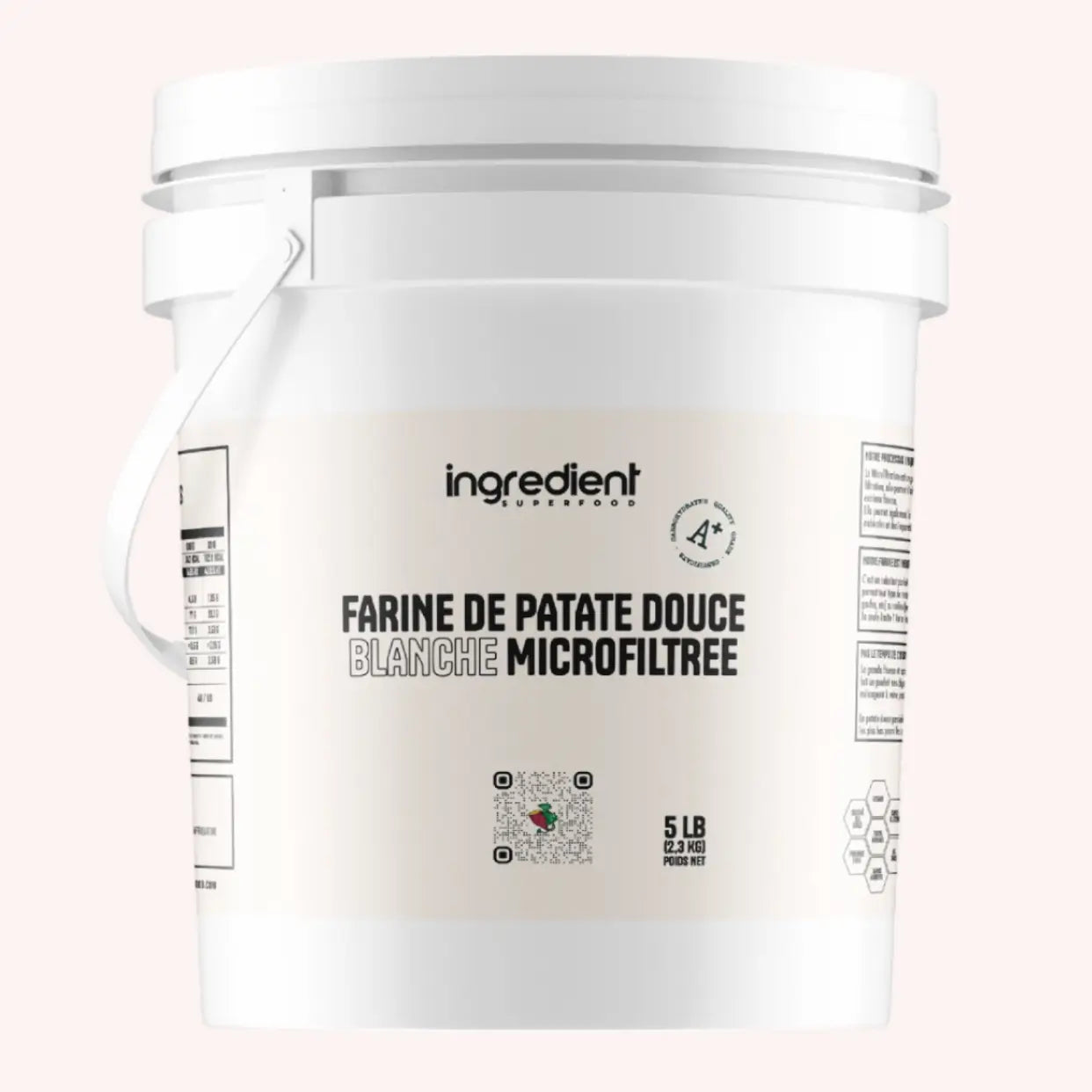
White Sweet Potato Flour - SuperFood Ingredient
Sale priceFrom 19,90€
Quels ingrédients choisir ?
Créer un gâteau sans sucre ne se résume pas à supprimer le sucre blanc d’une recette traditionnelle. Il s’agit de repenser à l’ensemble des ingrédients pour obtenir un dessert équilibré, savoureux, et adapté à vos objectifs. Le choix des ingrédients joue un rôle central dans la qualité nutritionnelle, la texture et le goût du gâteau.
1. Privilégier des bases nutritionnelles de qualité
Privilégiez des farines naturellement nutritives comme la farine d’avoine et la farine de patate douce, deux alternatives particulièrement intéressantes dans le cadre d’un gâteau sans sucre.
- La farine d’avoine, obtenue à partir de flocons d’avoine finement moulus, est riche en fibres solubles, notamment en bêta-glucanes. L’avoine est connue pour favoriser la satiété et contribue au métabolisme des graisses. Son index glycémique modéré en fait une option idéale pour les sportifs, tout en apportant une texture moelleuse aux préparations.
- La farine de patate douce à un goût naturellement sucré. Elle se distingue par sa composition en glucides complexes, en fibres, en vitamines et en potassium.
- Les œufs et le yaourt nature sont d’excellents liants qui ajoutent des protéines, des acides gras et améliorent la texture du gâteau.
2. Utiliser des sources de sucre naturel
Les fruits constituent des sources naturelles de douceur tout en apportant des vitamines. Les plus utilisés en pâtisserie sans sucre sont :
- Banane bien mûre : très sucrée naturellement, elle remplace avantageusement le sucre tout en donnant du moelleux.
- Compote de pommes sans sucre ajouté : idéale pour sucrer, humidifier et alléger la texture.
- Dattes mixées : alternatives composées en glucides complexes et riches en goût.
3. Bien choisir les matières grasses
Les beurres d’oléagineux comme le beurre d’amande, le beurre de cacahuète ou le beurre de noix de cajou sont d’excellentes sources de graisses insaturées. Riches en acides gras essentiels, en protéines végétales et en micronutriments (vitamine E, magnésium, zinc), ils apportent également une texture onctueuse et un goût naturellement gourmand aux préparations.
4. Ajouter des protéines pour une version fitness
L’intégration de protéines en poudre comme la whey ou la protéines vegan, dans la pâte permet d’équilibrer les macronutriments et de soutenir les besoins des sportifs, notamment après l’effort. On peut également enrichir le gâteau avec des yaourts riches en protéines, comme le skyr, pour un dessert plus consistant.
5. Utiliser des édulcorants
Si vous souhaitez un goût plus sucré sans utiliser de sucre raffiné, vous pouvez ajouter des arômes alimentaires qui sont le plus souvent sans calorie.
Recette de gateau sans sucre : 5 idées savoureuses
Préparer un gâteau sans sucre ne signifie pas sacrifier le plaisir. Voici cinq recettes simples, naturellement sucrées et parfaitement adaptées à une alimentation saine et sportive.
1. Gâteau banane sans sucre
Ingrédients (pour 6 à 8 parts) :
- 3 bananes bien mûres
- 2 œufs
- 100 g de farine d’avoine
- 1 c. à café de levure
- 1 c. à café de cannelle (facultatif)
- 2 c. à soupe de beurre d’amande
Préparation :
- Préchauffer le four à 180 °C.
- Écraser les bananes puis ajouter les œufs, le beurre d’amande, et bien mélanger.
- Incorporer la farine, la levure et la cannelle.
- Verser dans un moule chemisé.
- Cuire 25 à 30 minutes.
Variante : Il est possible de remplacer la banane par de la compote de pommes sans sucre ajouté (150 g) ou de la purée de patate douce pour un goût plus neutre.
2. Gâteau au yaourt sans sucre, version légère
Ingrédients :
- 1 pot de yaourt nature (125 g)
- 2 pots de farine de patate douce
- 1/2 pot de compote de pommes sans sucre ajouté
- 2 œufs
- 1 sachet de levure
- 1 c. à café d'arôme de vanille
Préparation :
- Mélanger tous les ingrédients dans un saladier.
- Verser dans un moule rond.
- Cuire 30 min à 180 °C.
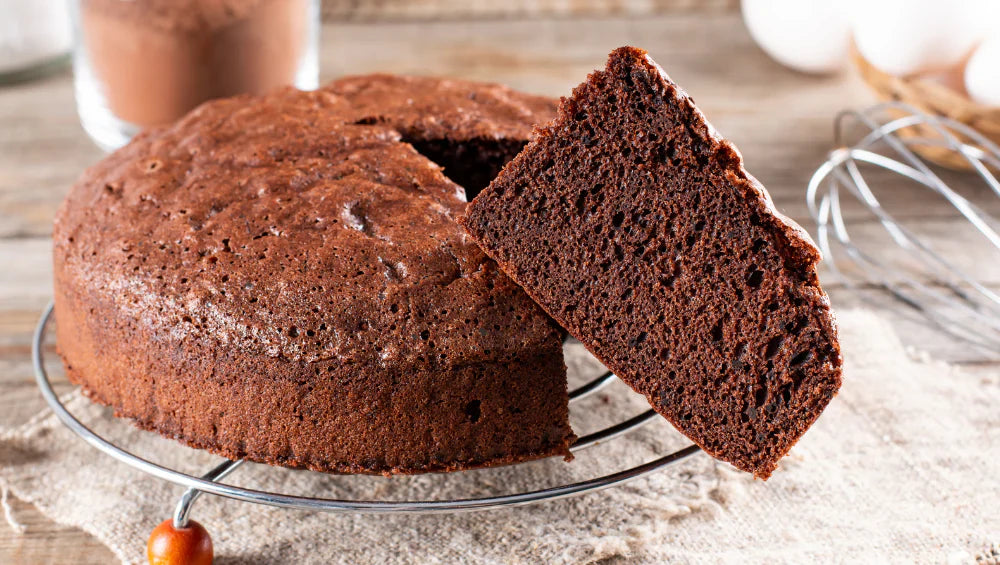
3. Gâteau au chocolat sans sucre
Ingrédients :
- 2 bananes
- 2 œufs
- 100 g de farine d’avoine
- 40 g de cacao non sucré
- 80 g de chocolat noir 70 % minimum (fondu)
- 1 c. à café de levure
Préparation :
- Faire fondre le chocolat noir.
- Mixer les bananes, ajouter les œufs, puis le chocolat fondu.
- Incorporer la farine, le cacao et la levure.
- Cuire 25 minutes à 175 °C.
Astuce musculation : Pour augmenter la teneur en protéines, ajouter une dose (30 g) de whey chocolat ou de protéine végétale à la pâte.
4. Gâteau protéiné à la compote
Ingrédients :
- 150 g de compote de pommes sans sucre ajouté
- 2 œufs
- 30 g de farine de patate douce
- 30 g de protéine en poudre (vanille ou autre goût)
- 1/2 sachet de levure
- 1 c. à café d'arôme de vanille (ou autre goût)
Préparation :
- Mélanger tous les ingrédients dans un bol.
- Verser dans un petit moule ou des moules à muffins.
- Cuire 20 à 25 min à 180 °C.
5. Gâteau express aux flocons d’avoine et fruits secs
Ingrédients :
- 60 g de flocons d’avoine
- 1 œuf
- 1 petite banane
- 1 c. à soupe de beurre de cacahuète
- 1 c. à soupe de raisins secs ou dattes coupées
- 1 pincée de cannelle
Préparation :
- Écraser la banane, ajouter l’œuf et les flocons.
- Incorporer le beurre de cacahuète, les fruits secs et la cannelle.
- Cuire au four (20 min) ou au micro-ondes (1 min 30 à 2 min dans un mug adapté).
Astuce : Pour une version plus riche en protéines, ajoutez une demi-dose de protéine en poudre à la préparation. Remplacer la banane par de la compote si une saveur plus neutre est souhaitée.
Astuces pour une texture moelleuse et fondante
- Maîtriser la cuisson : évitez de prolonger la cuisson au-delà de 30 à 35 minutes afin de préserver le moelleux du gâteau. Une cuisson excessive assèche rapidement les préparations sans sucre raffiné.
- Privilégier une compote riche en eau : optez pour une compote de pommes ou de poires sans sucre ajouté, à texture fluide, qui permet d’obtenir une texture fondante et légère.
- Équilibrer les saveurs du cacao : pour adoucir l'amertume naturelle du cacao non sucré, associez-le à des ingrédients naturellement sucrés comme la banane bien mûre ou le yaourt nature, qui apportent également de l’onctuosité.
Conservation des gâteaux sans sucre : les bonnes pratiques
L'absence de sucre raffiné, qui agit habituellement comme conservateur naturel, rend les gâteaux sans sucre plus sensibles à l’humidité. Il est donc essentiel d’adopter des méthodes de conservation adaptées pour préserver leur texture et leur fraîcheur.
Conservation selon la durée :
- À température ambiante (1 à 2 jours) : à stocker dans une boîte hermétique, dans un endroit frais et sec.
- Au réfrigérateur (jusqu’à 5 jours) : recommandé pour les recettes contenant du yaourt, des œufs ou de la protéine en poudre. Emballer dans du papier cuisson puis dans un film alimentaire.
- Au congélateur (jusqu’à 3 mois) : idéal pour les gâteaux à base de farine d’avoine, patate douce ou compote. Congeler en parts individuelles, bien emballées. Décongeler au réfrigérateur ou au micro-ondes.
À éviter : la congélation des gâteaux avec des toppings frais (fruits rouges, yaourt), qui altèrent texture et goût après décongélation.
À quel moment consommer son gâteau sans sucre
Le gâteau sans sucre s’intègre facilement dans une alimentation équilibrée grâce à sa composition plus saine. Voici les meilleurs moments pour le consommer :
- Au petit-déjeuner : idéal pour démarrer la journée, surtout s’il contient de l’avoine, de la banane ou de la patate douce.
- Avant l’entraînement : un apport en glucides complexes est idéal avant d’aller s'entraîner.
- Après l’entraînement : choisissez une version enrichie en protéines pour contribuer au maintien musculaire.
- En collation ou en dessert : une alternative gourmande, sans excès de sucre, parfaite pour calmer une envie sucrée sans culpabilité.
Gâteau sans sucre : en résumé
Le gâteau sans sucre ne se limite pas à une tendance nutritionnelle passagère. Il répond à un besoin croissant de mieux consommer, en conciliant plaisir et équilibre alimentaire. En remplaçant le sucre raffiné par des alternatives naturelles comme la banane, la compote de pommes, la farine d’avoine ou la farine de patate douce, il est possible de réaliser des desserts gourmands à index glycémique modéré, contenant des fibres et nutriments.
Faciles à préparer, personnalisables et adaptés à tous les profils (y compris les personnes actives ou sportives) ces recettes permettent d'intégrer des desserts délicieux à vos routines alimentaires.